
Primary Research
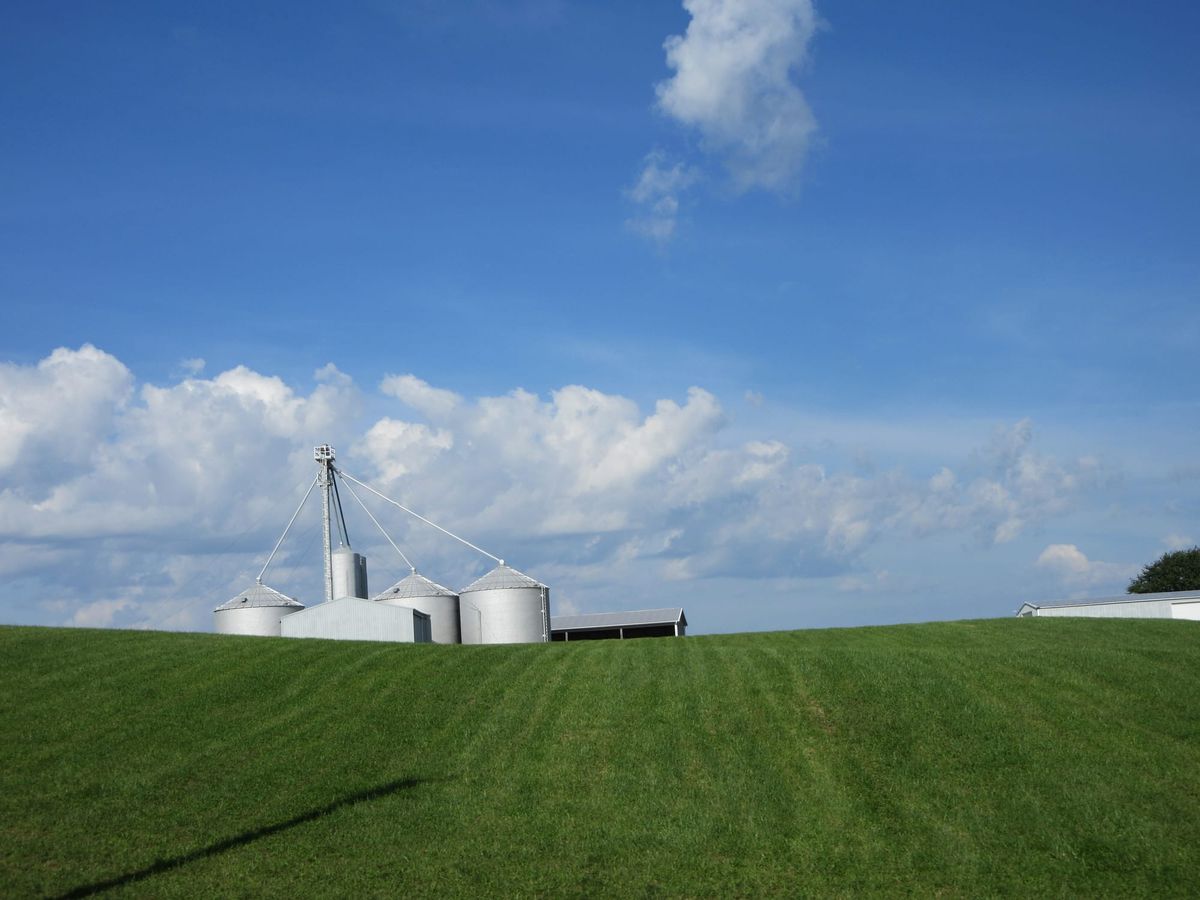
For my primary research my partner Ariela Broussi and I decided to take a trip to a rural community and try to get insight from a varity of stakeholders. We visited a library, local shops, and two EMS stations within Hocking County. There, we conducted observational research and unstructured interviews.
Observations
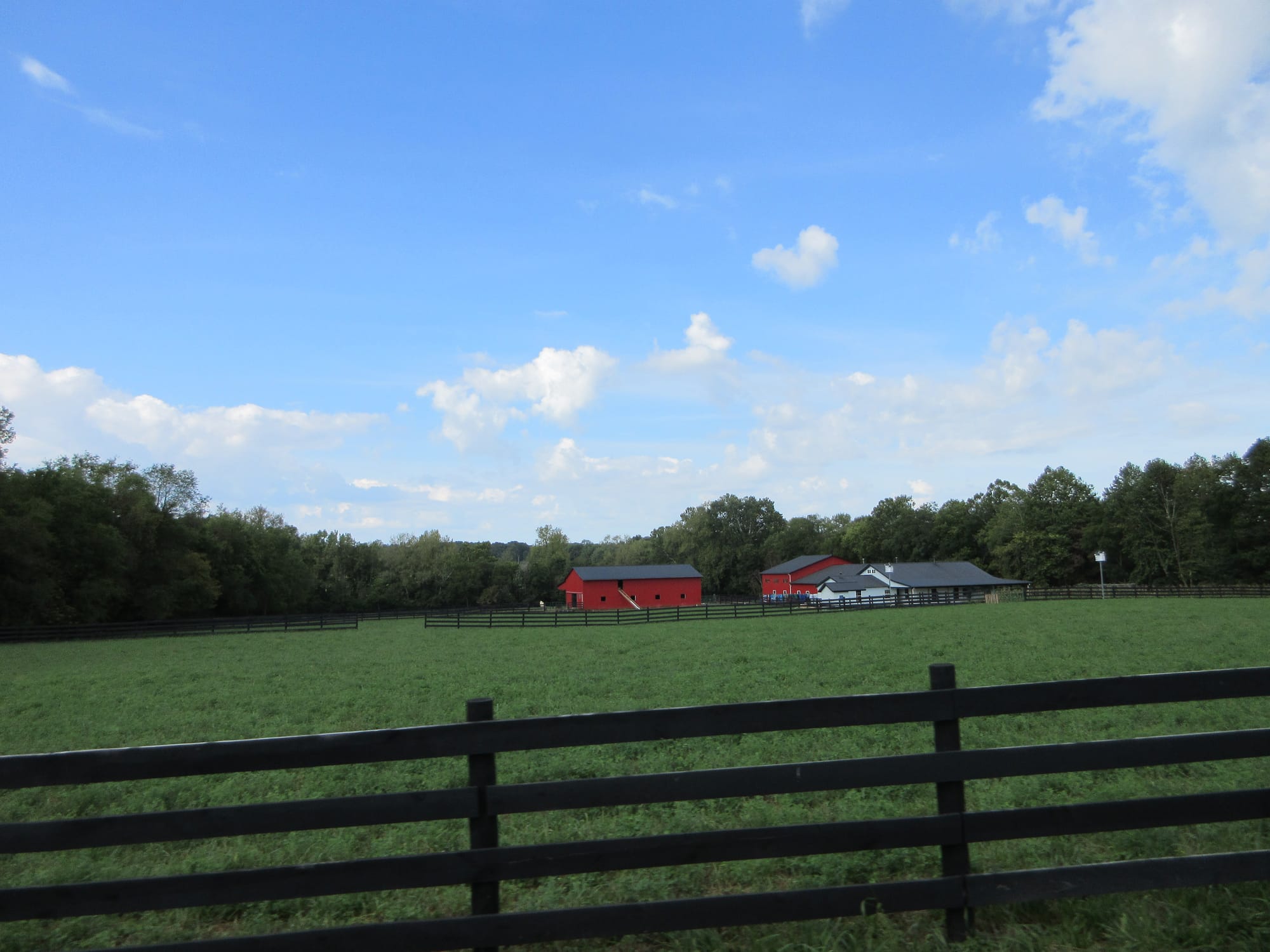
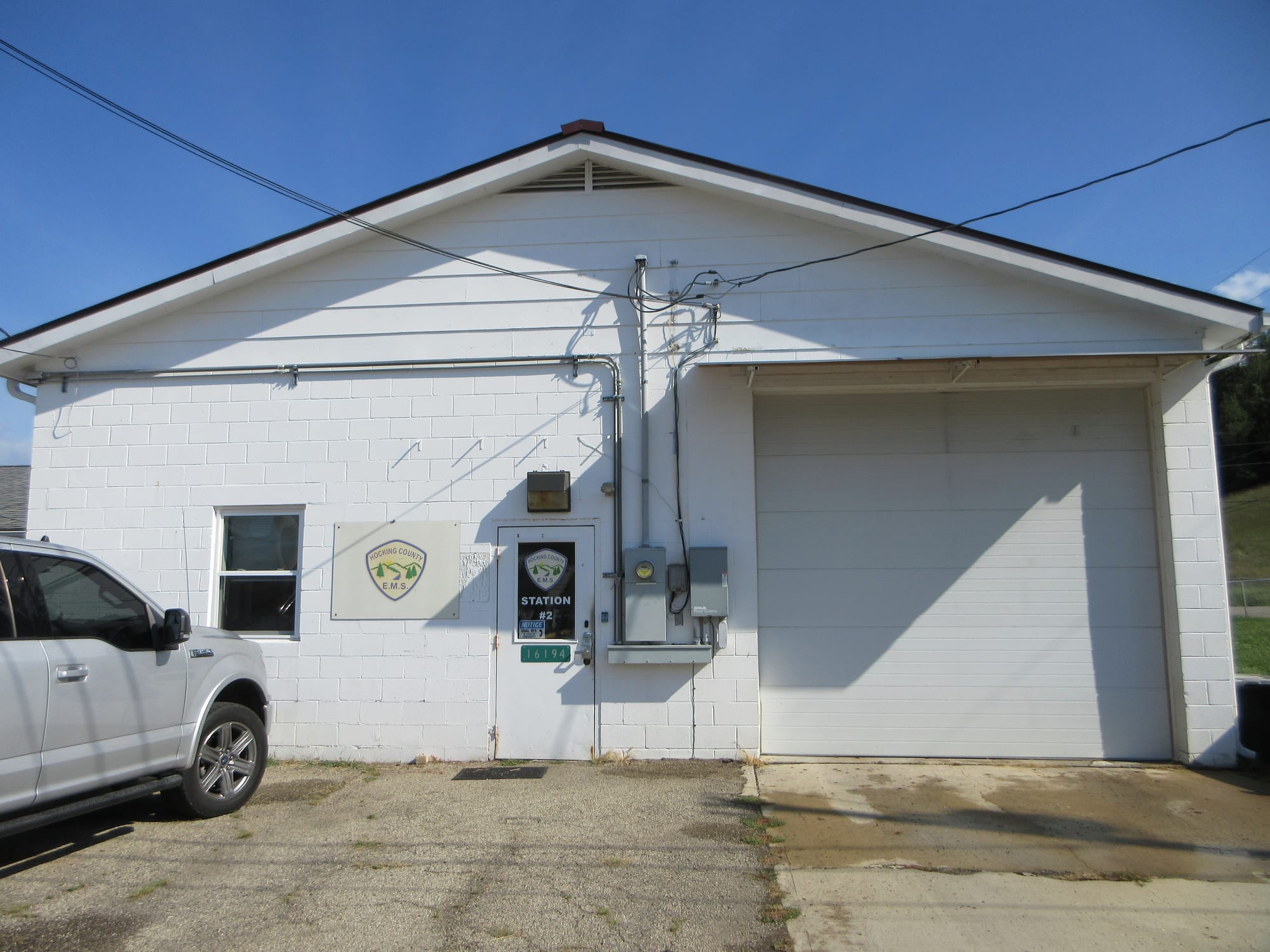
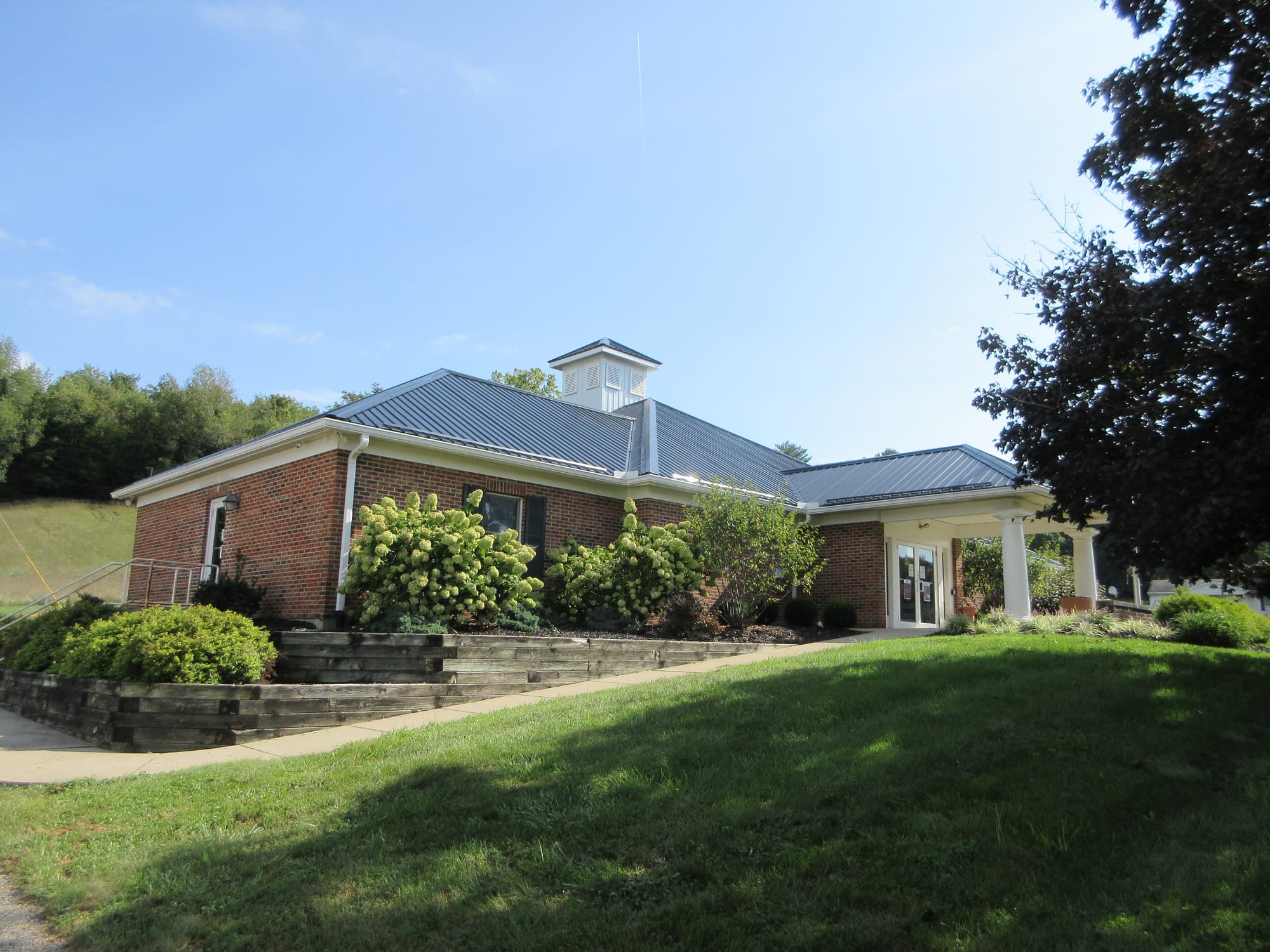
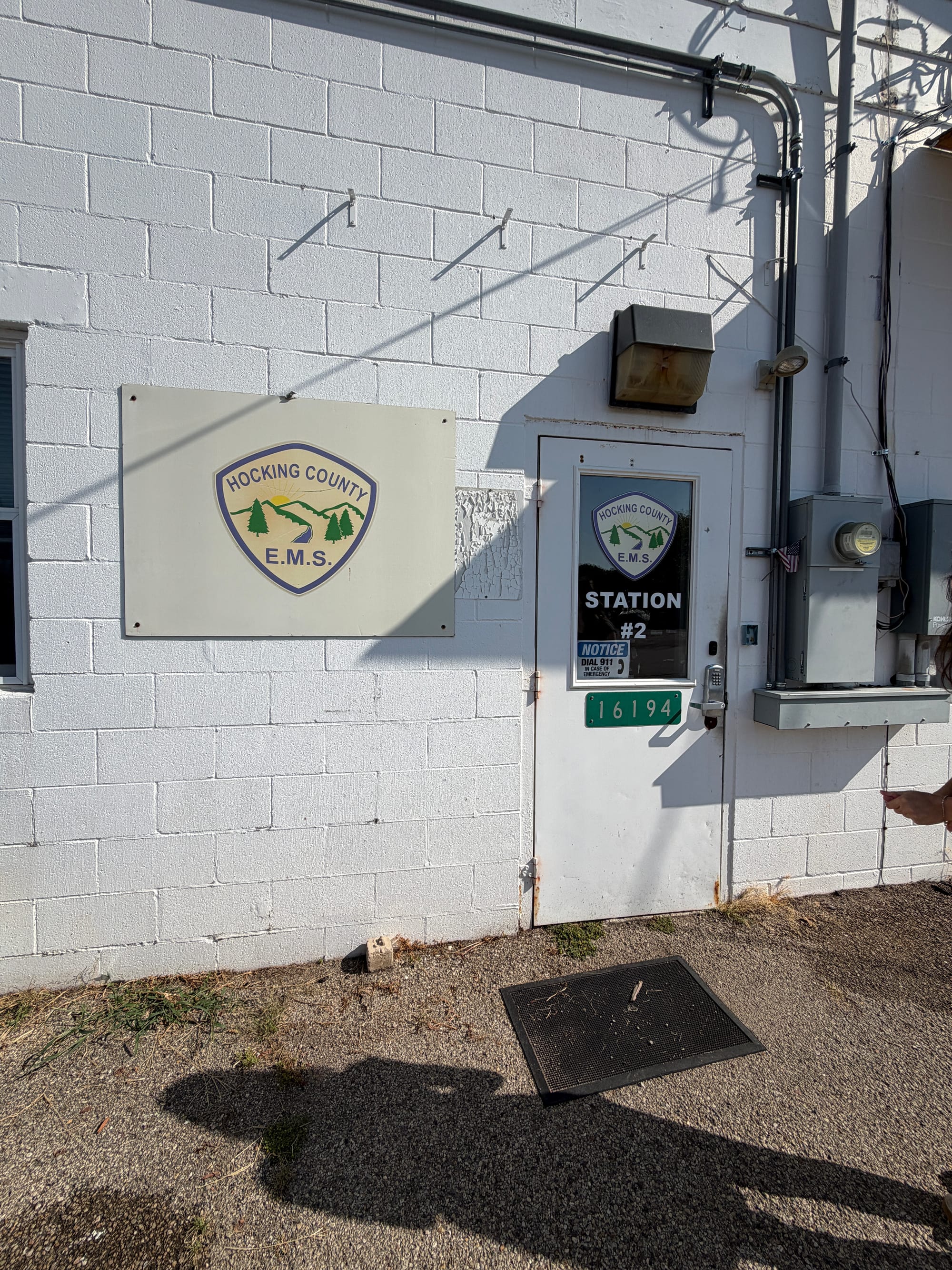
From our observations, we initially noticed how remote these areas are. We drove into Laurelville, OH (about an hour SW of Columbus) hoping to talk to some EMS workers and caretakers. The care facility was closed, so we ended up walking to the nearest building, which happened to be a library. The buildings themselves were generally spread out the further we got from the main town center. Their food options and businesses were all local, and most of the restaurants were closed. We found this interesting since we visited in the middle of the day on a Tuesday. The homes around the library and EMS station appeared to be mainly single-story houses with decent-sized yards. When we pulled in, we saw a family letting out their dog while their kids were playing. Both Ariela and I enjoyed driving through the town, it felt very homey!
Interviews
Our first stop was at the local library. We talked to the libraian at the front desk, she was extremly kind and open to talking to us. The library itsself was small, but had mulitple rooms for different purposes and people were constantly walking in and out while we were there. We talked to the librarian for about 10 minutes, asking about how emergencies are handled. She was very open and even gave insight to her own family expereince.
With permission, we voice recorded our interview and got the transcript from the Voice memos app on iPhone. Transcripts are not perfect.
When asked about how tight-knit the community is:
Librarian: This is a pretty small community, so living, you know, working here, you know a lot of people in the community. Yeah, a lot of people, you know, most people know each other in the town. This is a very small town.
Then we inquired about the nearest hospitals:
Us: How far is the nearest, like, a hospital and stuff for you?
Librarian: Closest hospitals, um, Lauraville's about 30 minutes, 30 to 40 minutes from Circleville, Chillicothe, and Lancaster. So we have three bigger cities that all have hospitals within 30 minutes.
Us: Is that where you would, like, go if there were to be some type of medical emergency or anything like that?
Librarian: Yes, yes.
Us: Do you have a preference on, like, which kind of time you go to, or is it just?
Librarian: Um... For me, I'm more familiar with, like... I think it depends on the familiarity you are. Some people go to Chillicothe just because they're more familiar or closer to chilled coffee. Some people will go to Circleville. Some people will go to Lancaster. Some people go to Logan. So actually, I forgot Logan, there's four. Circleville, Circleville, Chillicothe, Lancaster, Logan, are all within about a 30. Lancaster's just a little bit further.
We then asked if people had a preference on which hospital they go to and she responded:
So, um, it really just depends patient preference. I don't know. I've never had the EMS take me any place. Um, so I don't know. It's probably insurance based, honestly, when I had my, when I had to take my dad to the hospital, it was, which hospital does his insurance cover?
She shared her personal story from when her dad was rushed to the hospital, sharing details about his conditions:
Us: Yeah, which one did you end up taking him to?
Librarian: Circleville. Circleville? Mm hmm.
Us: And do you think, once you got to that hospital, they signed quickly, or... (Asking how efficient the hospital was)
Librarian: Yeah. It was a process. Um, my dad had health issues before he passed, so they pretty, they, they were pretty quick about taking care of his needs and then assessing and sending him. There were several times that it was a very serious situation. They would send him on to Columbus to a big hospital.
Us: Gotcha.
Librarian: The smaller hospitals are good about assessing the situation, saying Okay, we don't have what we need here. So I know from my experience with my father, Circleville would assess and say, This is serious. We don't have the equipment or the specialist here. You need to transport him, and then they would get a transport and squat him on him to. And I know my pastor, pal, and had serious head trauma, and they life lighted him from Circle Bill up to up to a hospital in Columbus.
Librarian: Um... I think I'm trying to remember the situation. It might have been... Dad had so many health issues. Um, I know at the time, they were gonna put him on a ventilator, and it was touch and go, and, and, um, they sent him up to specialists that he, my dad had so many issues, so I can't remember which one it was. Um, you know, he was diabetic, um, he was immacular degeneration, so he didn't have eyesight left. He had kidney issues, so he was, you know, somebody that had kidney issues. Um, so just various things going on. And I think when you're that medically compromised and it was multiple things playing into it, they wanted to send him up to specialists.
This interview was very insightful to get the persepctive of both someone who has helped in a medical emergency, and expereinced one within her family.
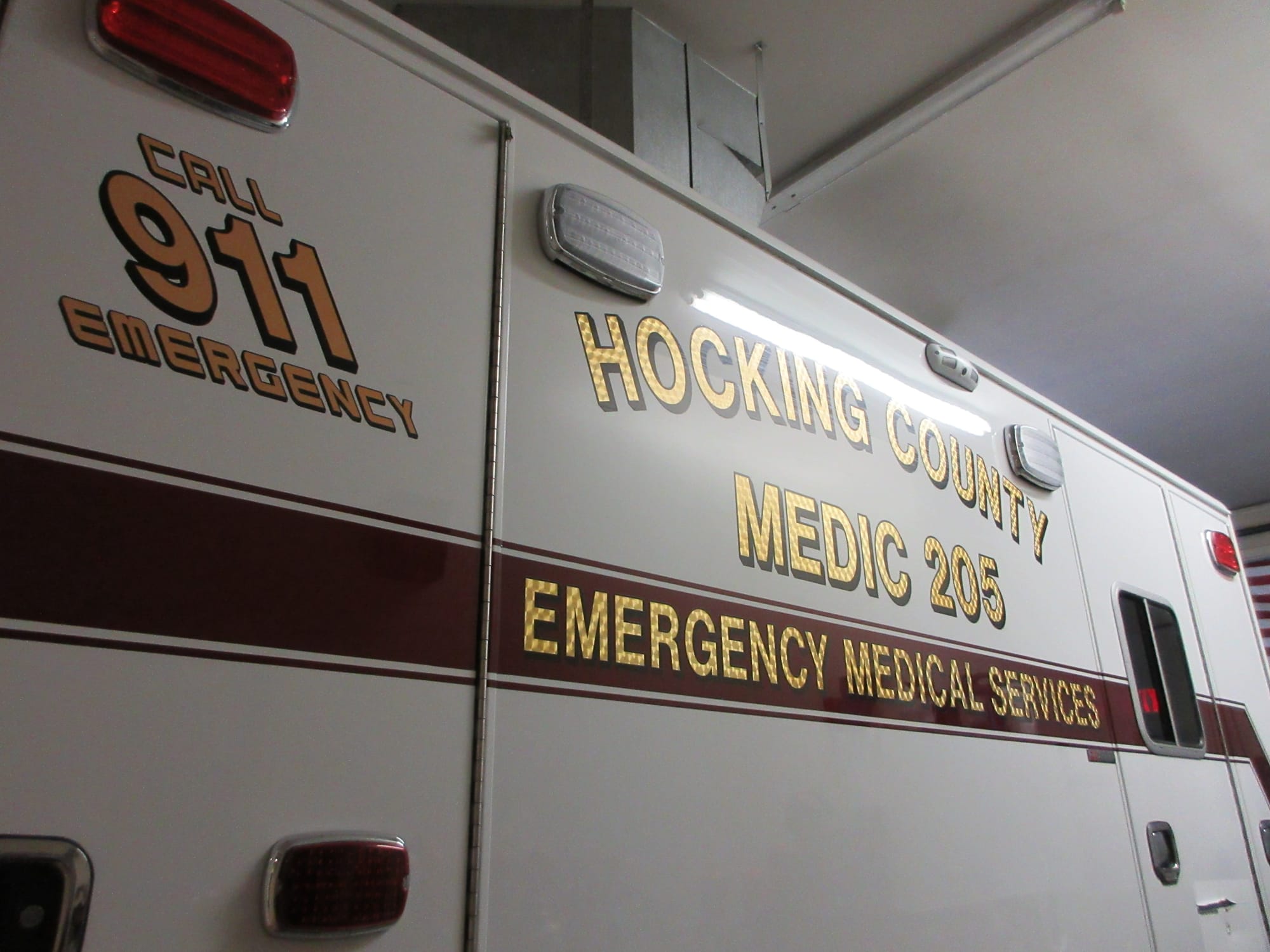
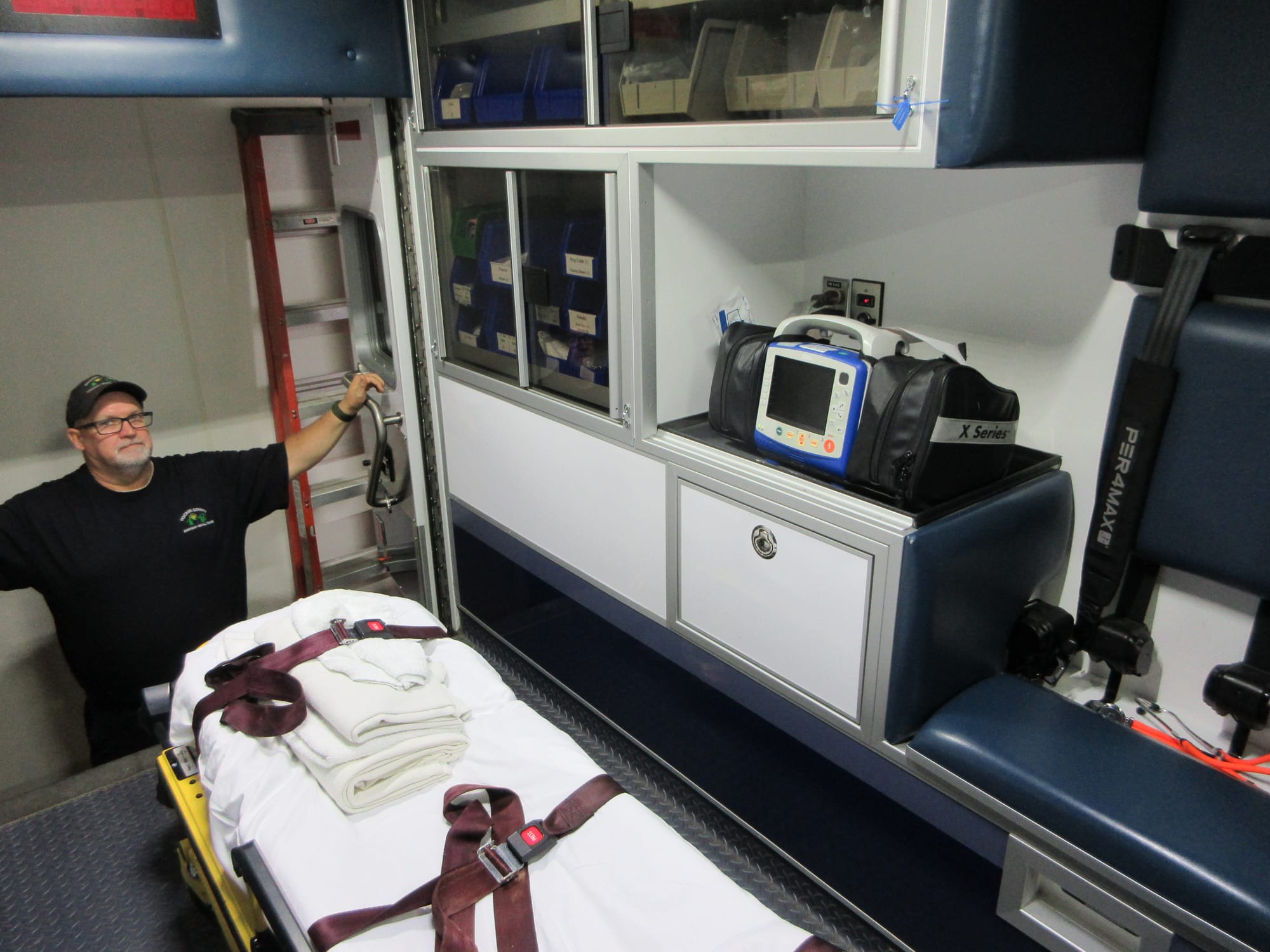
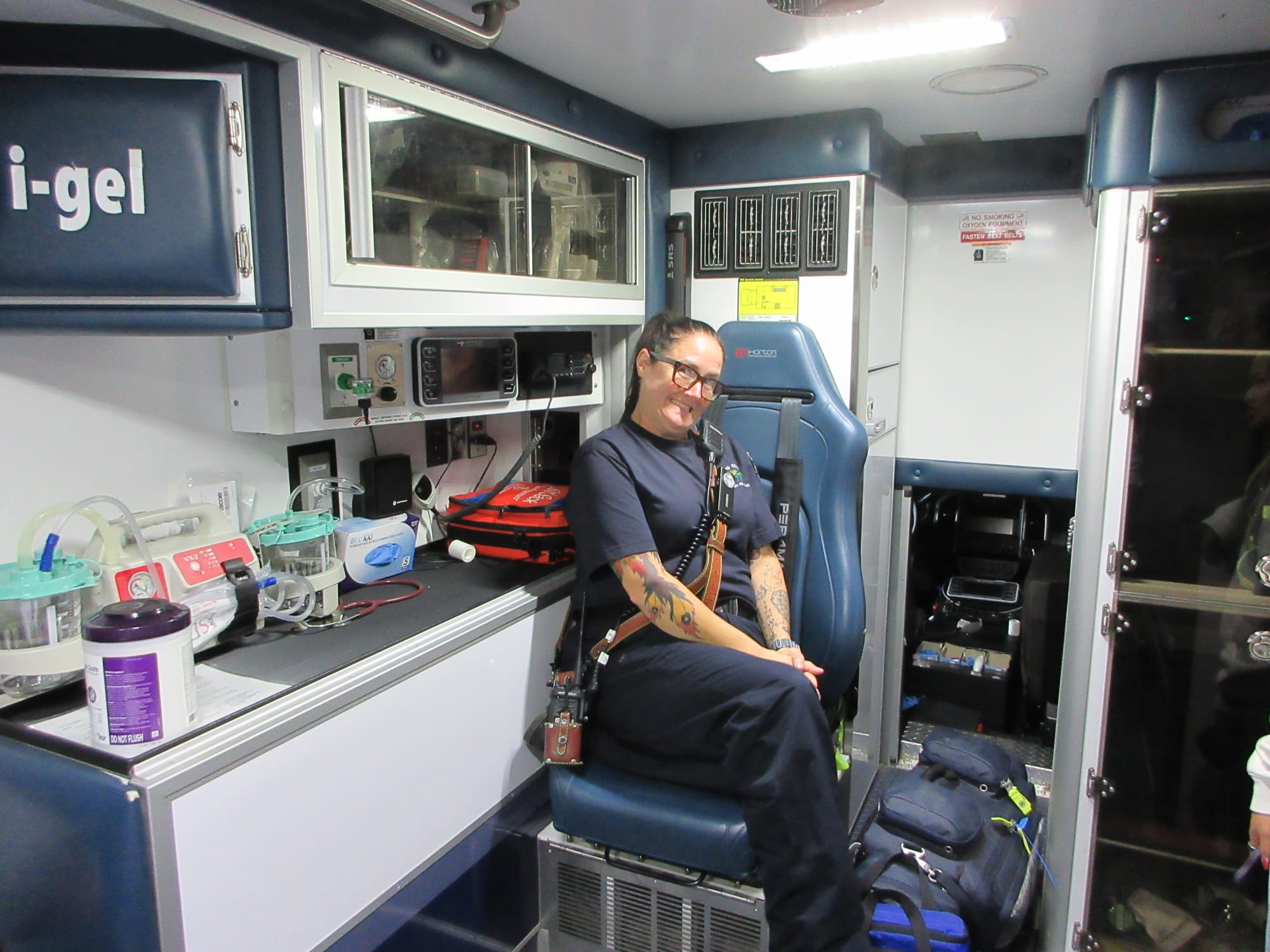
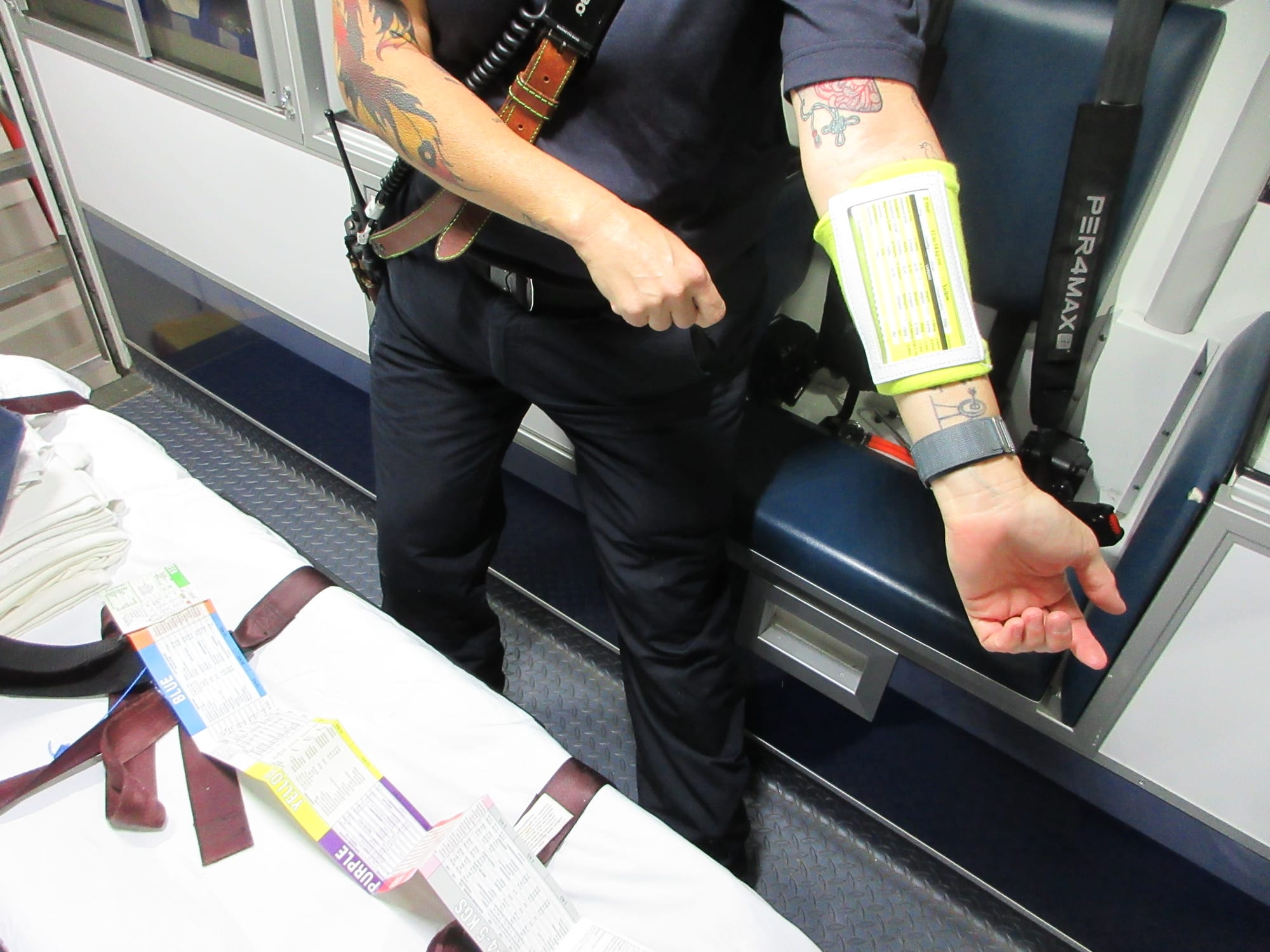
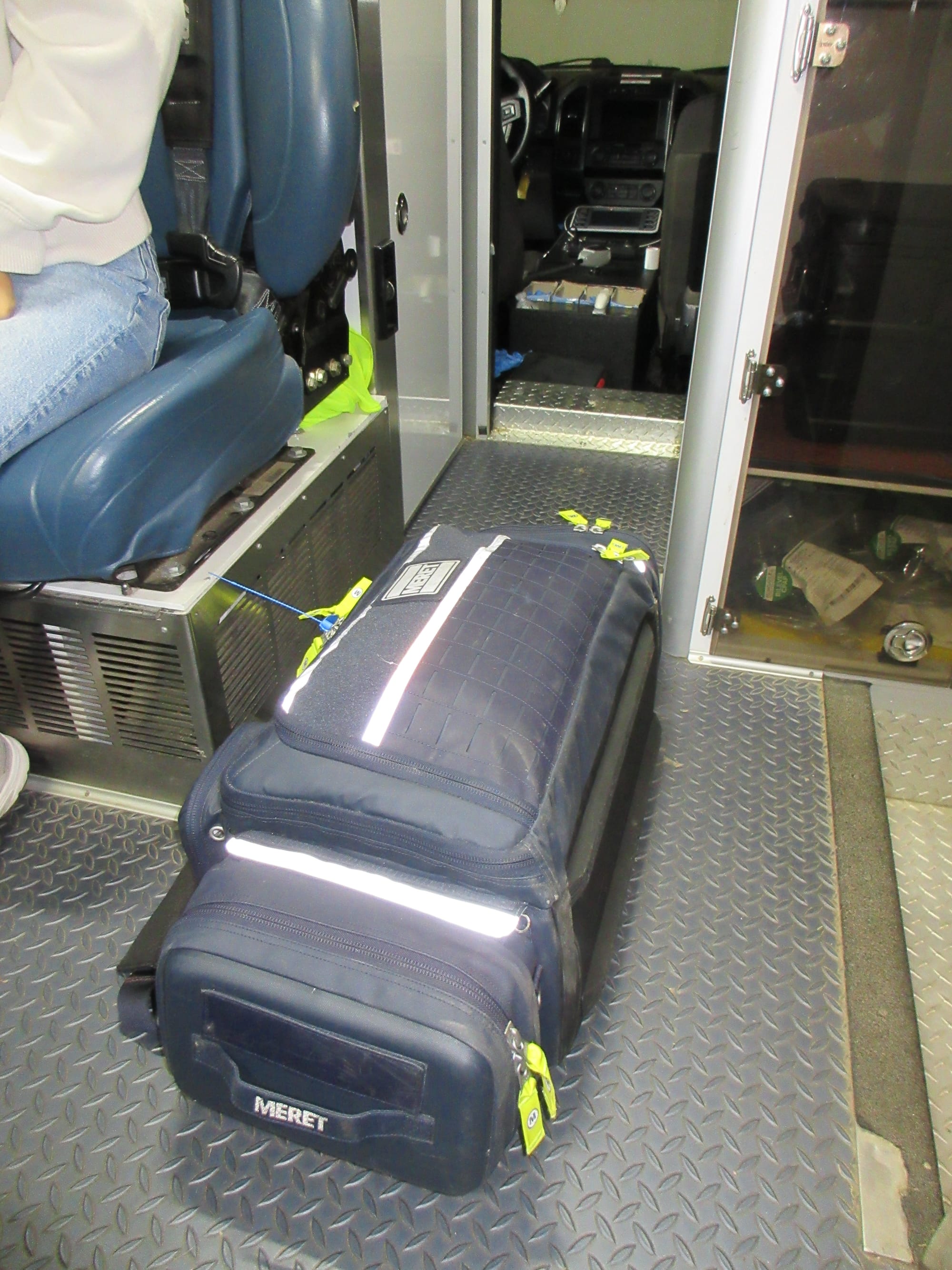
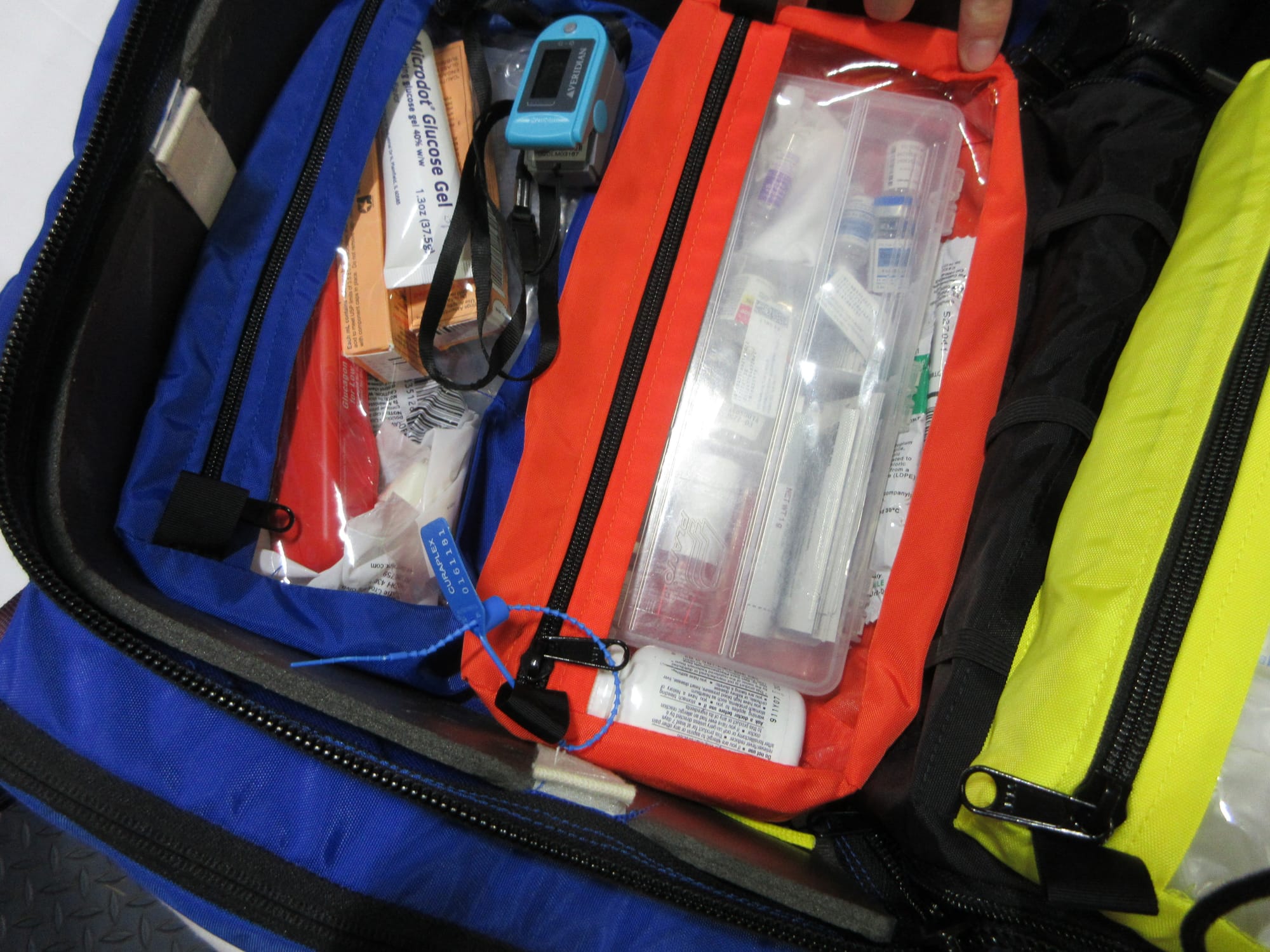
Our next two interviews were at a local EMS station. We caught them coming home from a grocery run and learned a lot about what they do and what they commonly see during work. We talked to them for over an hour and got a tour of their vehicle. In Laurelville, there are two EMS workers at each station rotating shifts every 24 hours. Their stations are small homes equipt with seperate bedrooms, a kitchen, living room, and large garage for thier van. We gained a lot of insight from our time at the EMS station. Below are some of the main points that stuck out:
So we work for Hocking County EMS. So Hawking County is 424 square miles. So we have three stations and four trucks that cover the entire county. We are EMS only. There's a lot of places, like especially in Columbus, where it's EMS and Fire together. Okay. So we do not do, I don't fight fire. Don't want me coming in a building after you. No, it's not pretty. Um, so we are EMS only.
I guess, honestly, in EMS, as in general, sometimes it's emergencies, and sometimes it's, I need a ride to the doctor, or I need a ride to the hospital, essentially.
Um, so that, it's not always, like, when you call 911, you think it's always, like, an emergency. And it's not always an emergency, but it's always, there's always a need. You know what I mean? So, um, and I think, especially out here, this is... Laurelville is... just a very rural area. There's not, the nearest hospital is, what, 20 minutes? 20 miles? 20, yeah, 20 miles in any direction. So when we, and we actually do have a lot of people, like, when you guys were walking, like, are they walk ins? Like, 'cause we do get a lot of people that just knock on our door and they're like, hey, I'm, can you check my blood pressure? You know, I'm having some chest pain or, you know, whatever it may be. Um, But, It, it just, I mean, it just varies.
So out here, there are a lot of people who don't have a car. And so they, you know, call us 'cause they need to go to the hospital, you know? Or they, um, they, a lot of people also don't have primary care providers. And so they use the ER as their primary care provider. Um, so those are just a couple of the challenges that you have, 'cause when we're taking people in, Oh, our shift is 24 hours. So, we got on at 8 a.m. this morning, and we'll get off at 8 a.m. tomorrow morning. And then there's two more crews that follow us. So we do, we're on for 24, and then off for 48.
I am not sure if you guys are familiar with Old Man's Cave and all that stuff, but if we haven't run out there, I mean, we could have a unit tied up for 2 hours. You know, out there on that. Sure. On that run, which means we're down resources in the county general. So we do pretty good at having, so if we were out for a long time, then we might have a truck come over part of the way if they're available or if the other, like if Logan area, it's more populated and if they're out, they do more runs, then we might kind of get in our truck and kind of go halfway over that way.
We utilize, like, there are fire departments, volunteer fire departments all over the county. And so we do utilize them a lot. Okay. I think the only paid department is Logan, Logan. So City of Logan is the only paid fire department in Houghton County. Everybody else is volunteer.
We learned so much about how emergency scenerios play out in their community, including volunteer fire departments, what they do when multiple emergencies happen at once, and what types of emergencies tend to ocme thorugh most. Our final stop was at another EMS station in Hocking County, a more populated area but still very rural. We learned they deal with more of a variety of cases. The main thing I picked up from our interview was the amount of motor vehicle accidents and cell service problems.
Yeah. We get a lot of, like, trauma in our area, mostly, like, car accidents because we have the highway. We have 664, which is very, you know, curvy and up and down, left and right. Yeah, and it's hard for people, you know, if you don't drive that very often. Yeah, it's very difficult.
I mean, it's hard to do during the day. No, let alone, you do it at night, it's raining. We get, you know, we get snow, like everybody else. Yeah. You know? Um, so that can definitely be a cause for a lot of our motor vehicle accidents. We have a lot of like motorcycles that come through just because they love the twisty and the turkey. So, you know, unfortunately we go on a lot of motorcycle accidents.
Yeah, they've put a tower out at Hawking Hills. Okay, yeah. to try to alleviate that, because that's where most of the problems would be is, you know, down in the caves, hey, I tripped and twisted my ankle or I broke my leg or something along this line. Get out on your cell phone, or... Yeah, our radios wouldn't talk too much. down in the bottom? Well, here. You couldn't get older dispatcher anyway. Mm hmm. But it has gotten better. Yeah. We put a few towers out in that area. Because, like, I guess one of the problems we would have is, like, okay, somebody, like I said, crashed her car when they were down at the bottom of this road, and somebody had to run up. So now the dispatcher is asking questions, like, is the patient breathing? Are they dead? They mangled? Like, can they get out of the car? Well, now they're over here and they're like, I don't know. They're down there, but I can't leave because of the surface.
Overall, we gained a lot of good information talking to locals and EMS workers. Everyone was extremely friendly and open to chatting with us, and they all seemed very passionate about their work. Speaking directly with them helped bridge the gap between our initial visual impressions of the town and the real, everyday experiences of those navigating rural healthcare and community support.



