
Primary Research
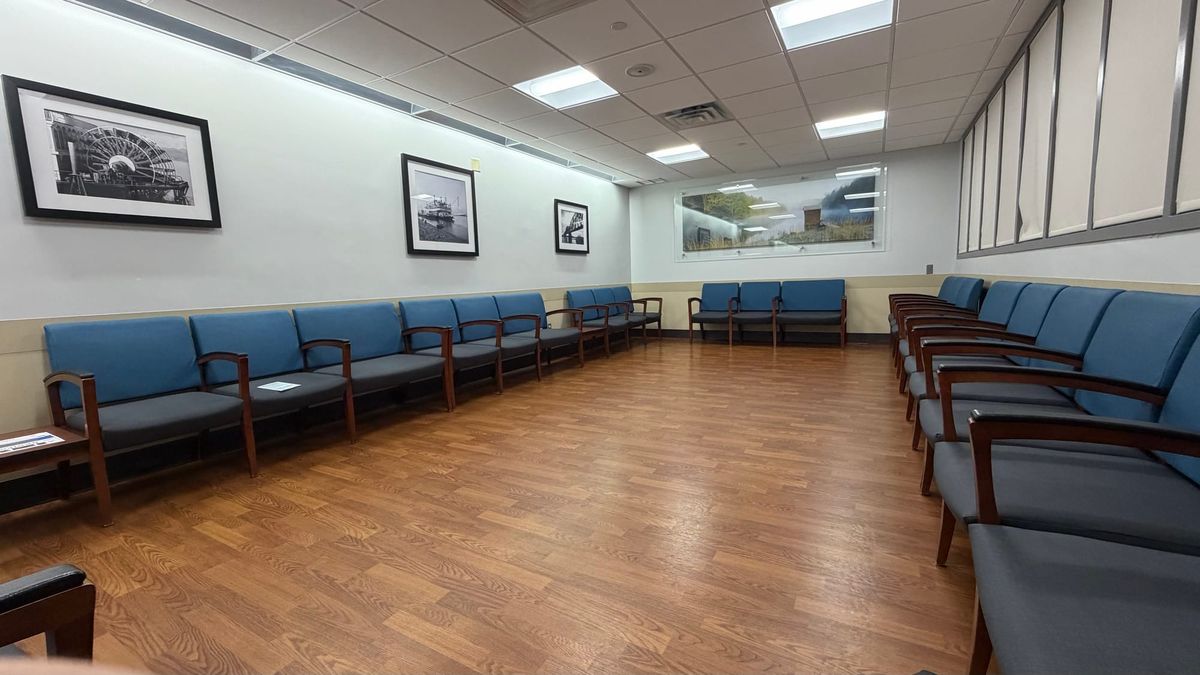
In this set of primary research, I engaged in experiential research and naturalistic observation at the Holzer Health Hospital in Gallipolis on Saturday, September 8. Holzer was selected due to its function as Gallipolis’ primary hospital with emergency, urgent care, surgical, pharmacy, and other healthcare service offerings.
For the experiential research, I engaged in a service safari of the Holzer Hospital navigation system. The goal for this portion of the research was to better understand one’s experiences in navigating the hospital using my own experiences. Beginning from the moment I walked through the hospital’s front entrance; I took notes on observations and feelings as I tried to find my way to the registration and waiting area. Through this, I discovered that there were multiple disruptions along my journey that ultimately made the experience quite confusing and challenging at times. I then continued the experiential research in concordance with the naturalistic observation done in the waiting room. Using this data, I categorized and visualized it into an experience map and observation timeline with the help of AI.
Hospital Navigation and Observations
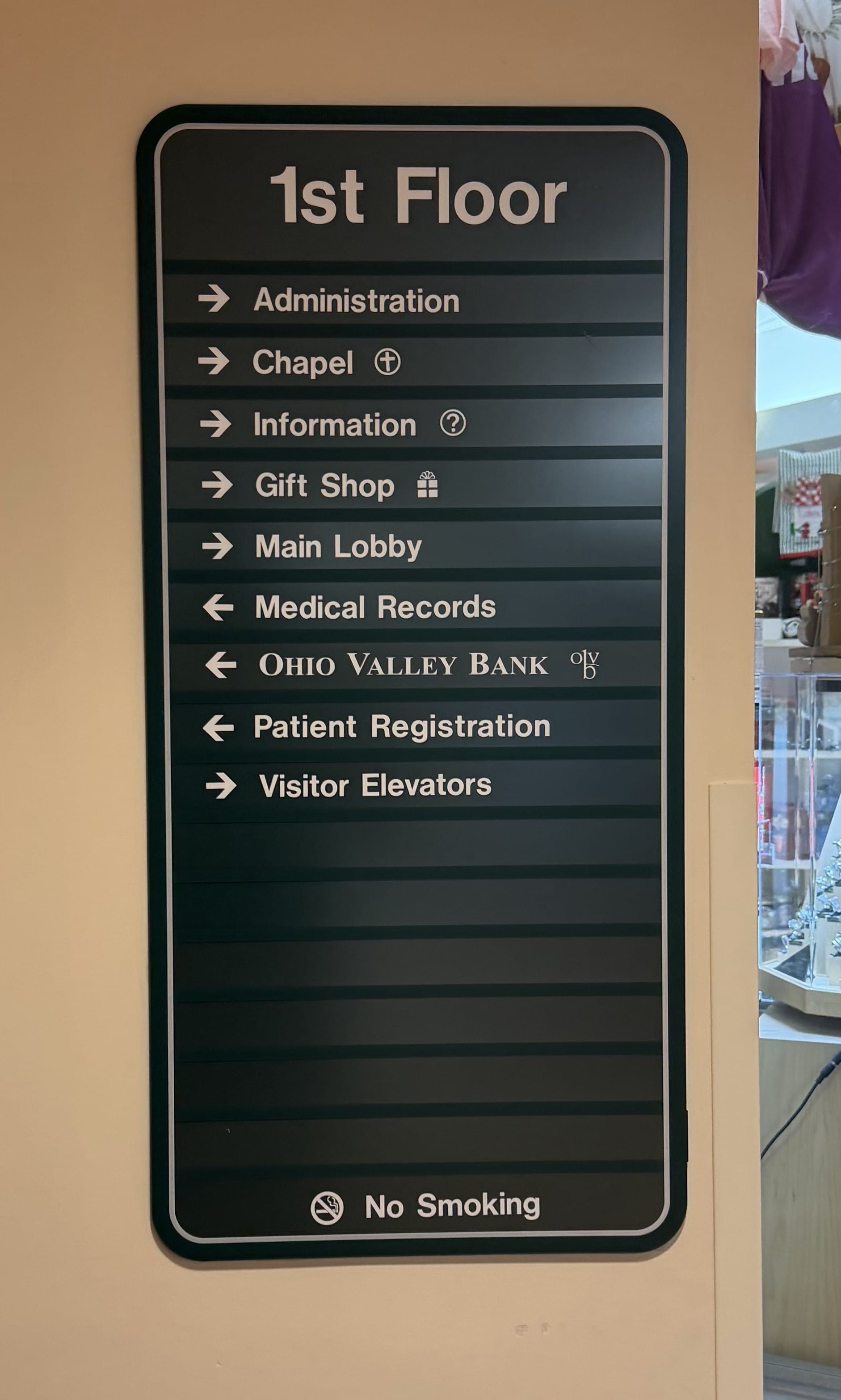
I found that although there was easy to read and accessible signage posted throughout the walls, it took a second to read and process the information. While some of these categories were not relevant to my search, I was curious as to what some of the various areas led.
One design opportunity for this would be to create a system that makes it clear to individuals which category they are looking for when reading signage. This would reduce time searching and increase efficiency in navigating.
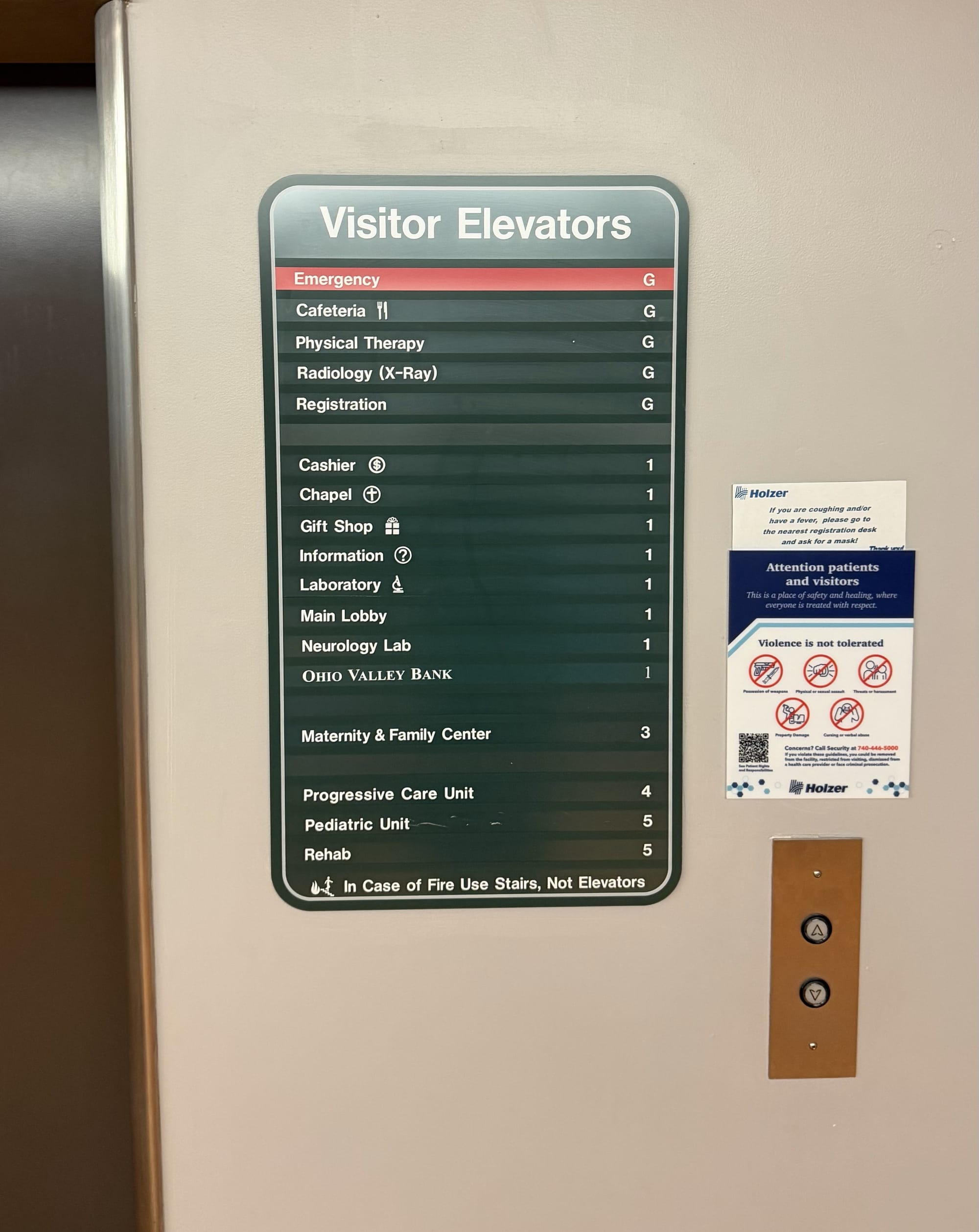
One way they have done this is highlighting the emergency section in red. This helps the emergency directions stand out quickly and clearly, which makes sense due to the urgent nature of many cases handled in that department.
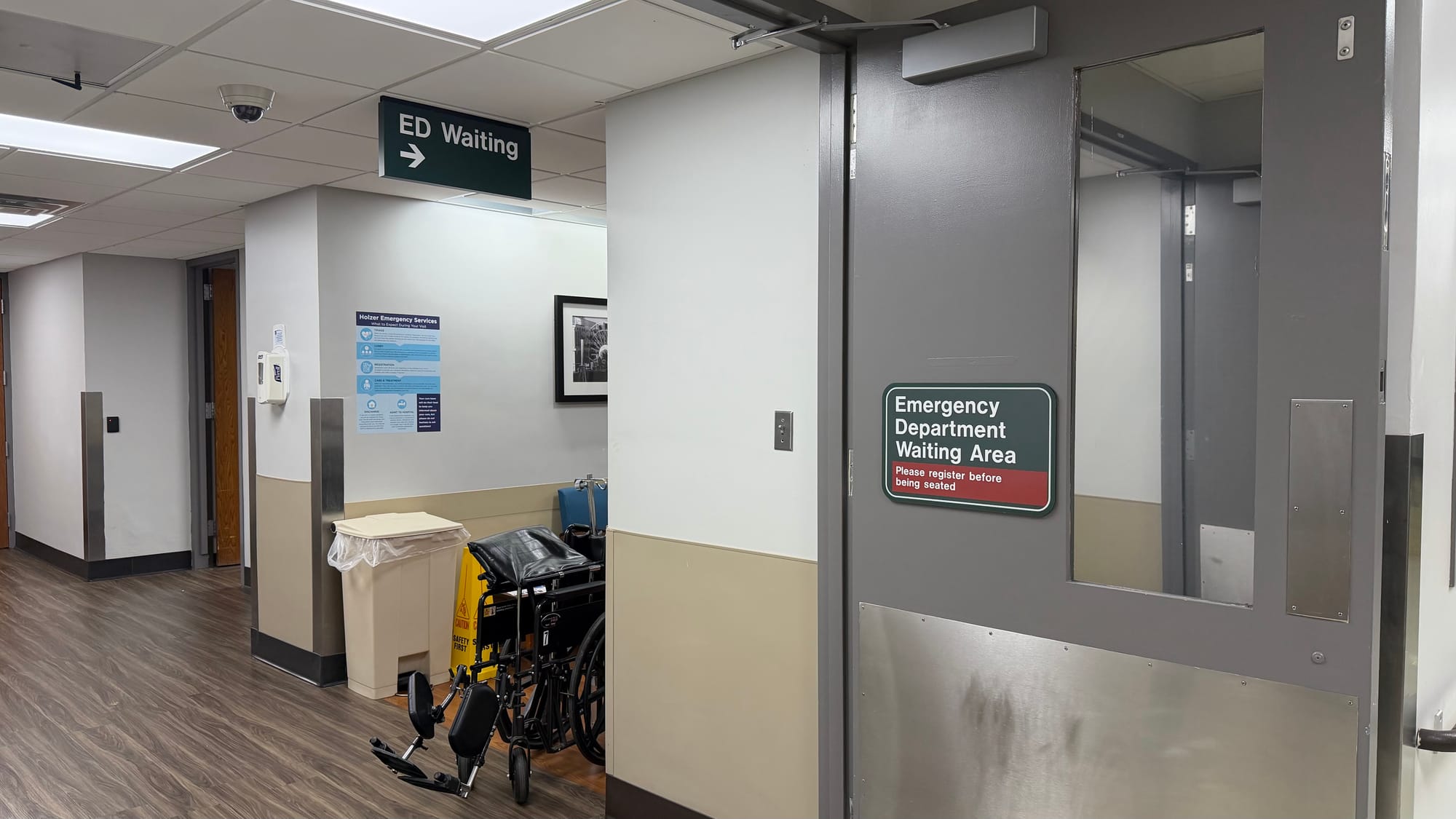
Crammed entrance to the waiting area
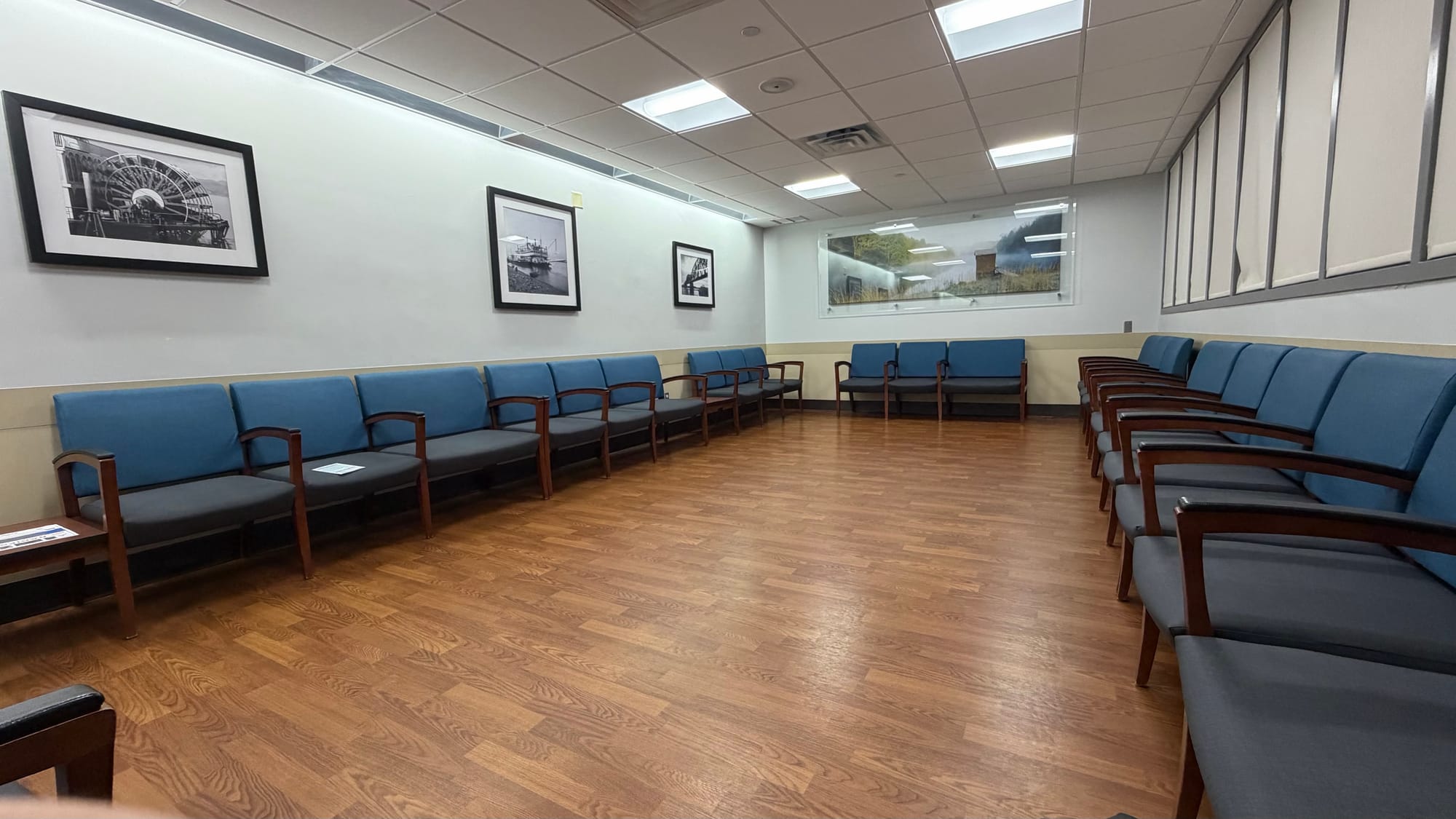
Clean and well-lit waiting area. Remained empty from the time I arrived to the time I left.
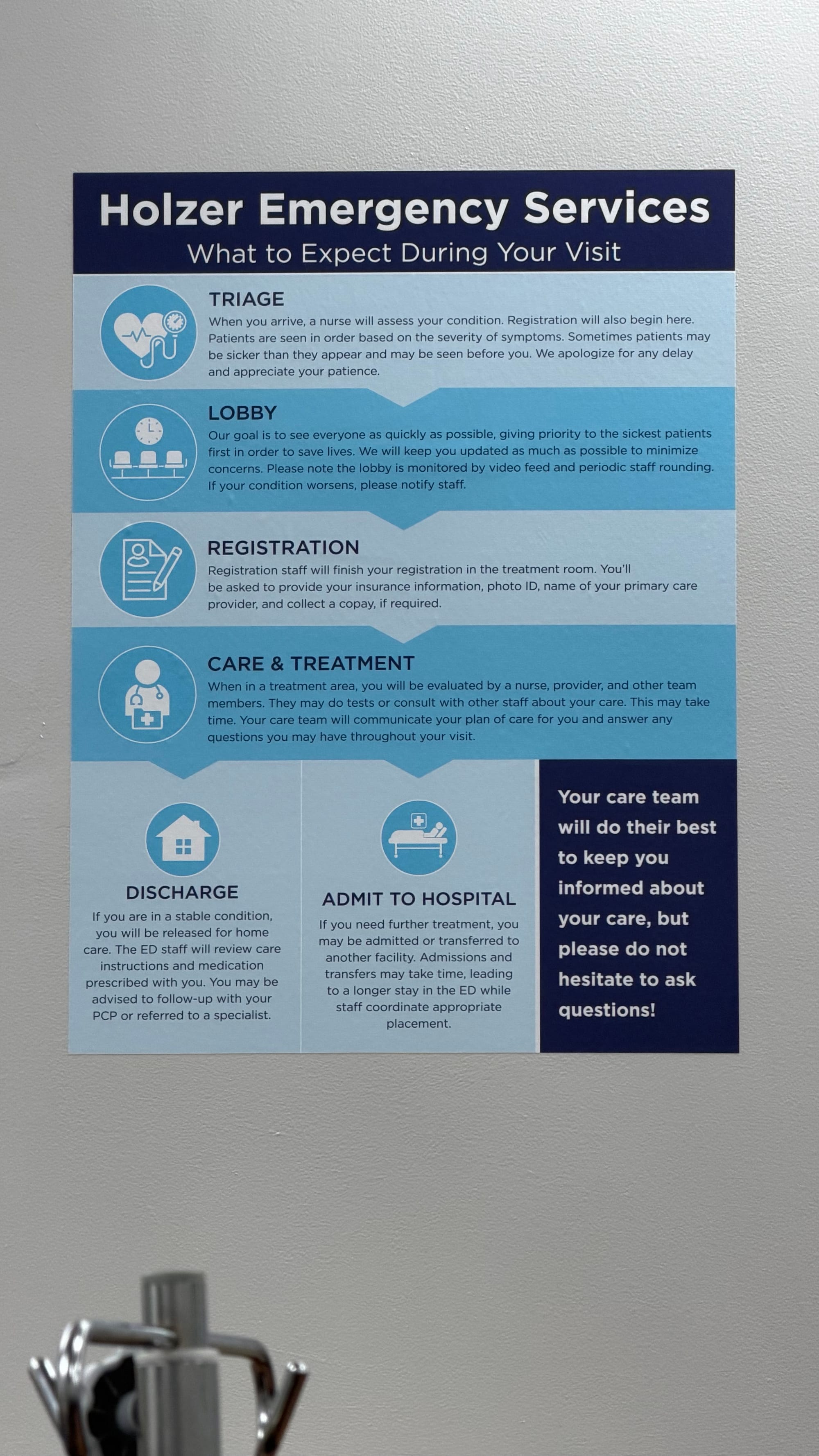
A graphic documenting the process in the waiting area. Posted on the wall immediately on the left of the entrance.
Data Visualization
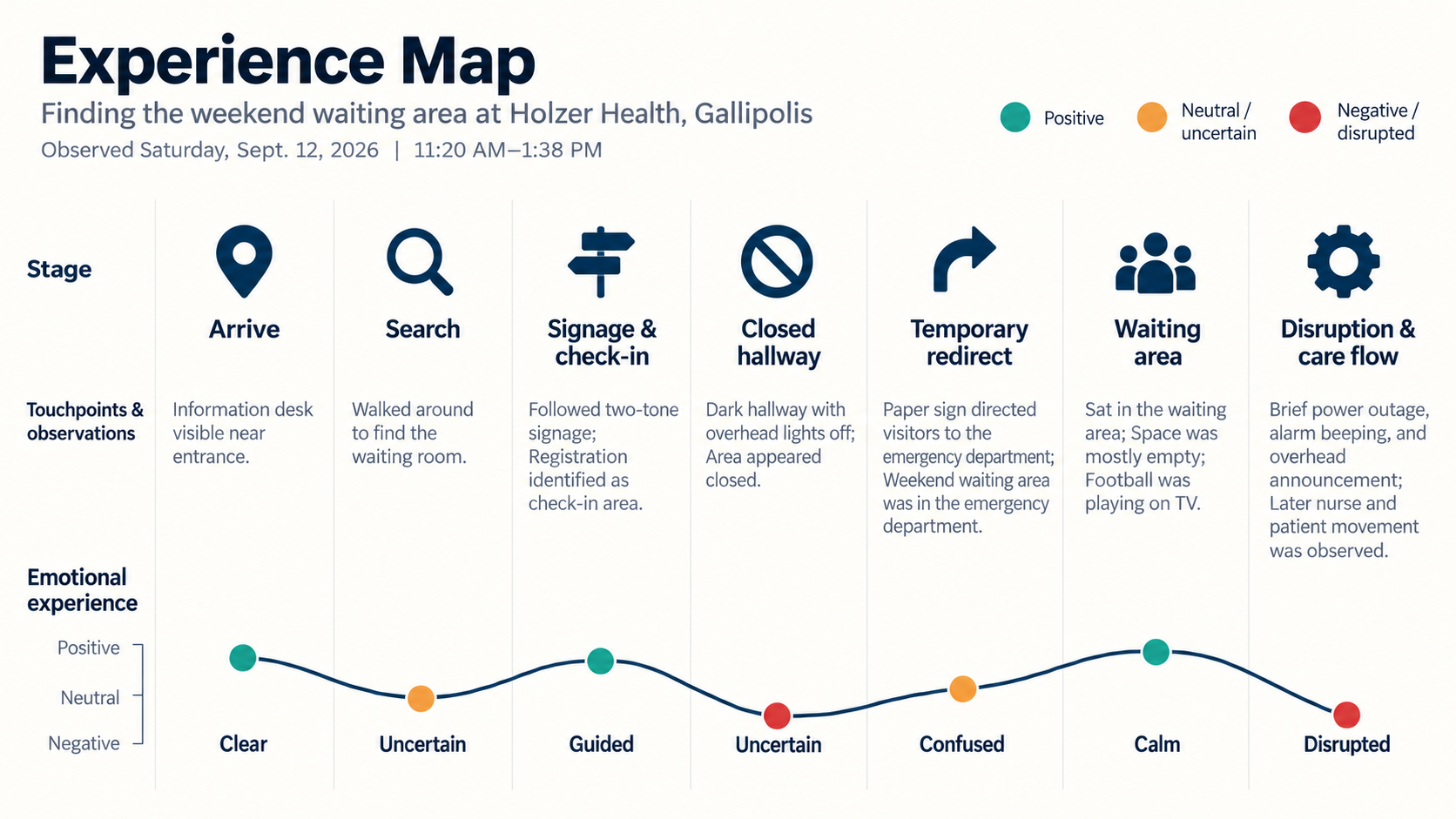
This experience map notes the various stages, touchpoints, and emotional experiences that occurred throughout the navigation and waiting room observational stages. While much of the waiting area experience was positive, the navigational experience was generally more negative.
One of the most confusing and disrupting parts of the navigation experience was following the signage, only to be directed to a dark hallway that looked closed. After debating whether it was the right way, I went in to find the registration area. However, this area was also closed. A piece of paper was taped on the door redirecting patients to go to the emergency department, due to the patient registration department being closed for the weekend.
Once in the waiting area, the experience was mainly calm and peaceful, with staff occasionally entering and exiting the emergency department. The only disruption in the experience of the waiting room was a brief power outage. While brief, it was a bit alarming. Emergency doors opened, alarms beeped, and everything went dark. This raised questions to me in whether there were any safeguards for those on life support or any other medical equipment requiring power. The cause was unknown, even after later talking to the individual at the information desk. They noted “I’m not sure. Usually, we get a text about any power outages, but I got nothing. Maybe it was a surge.”
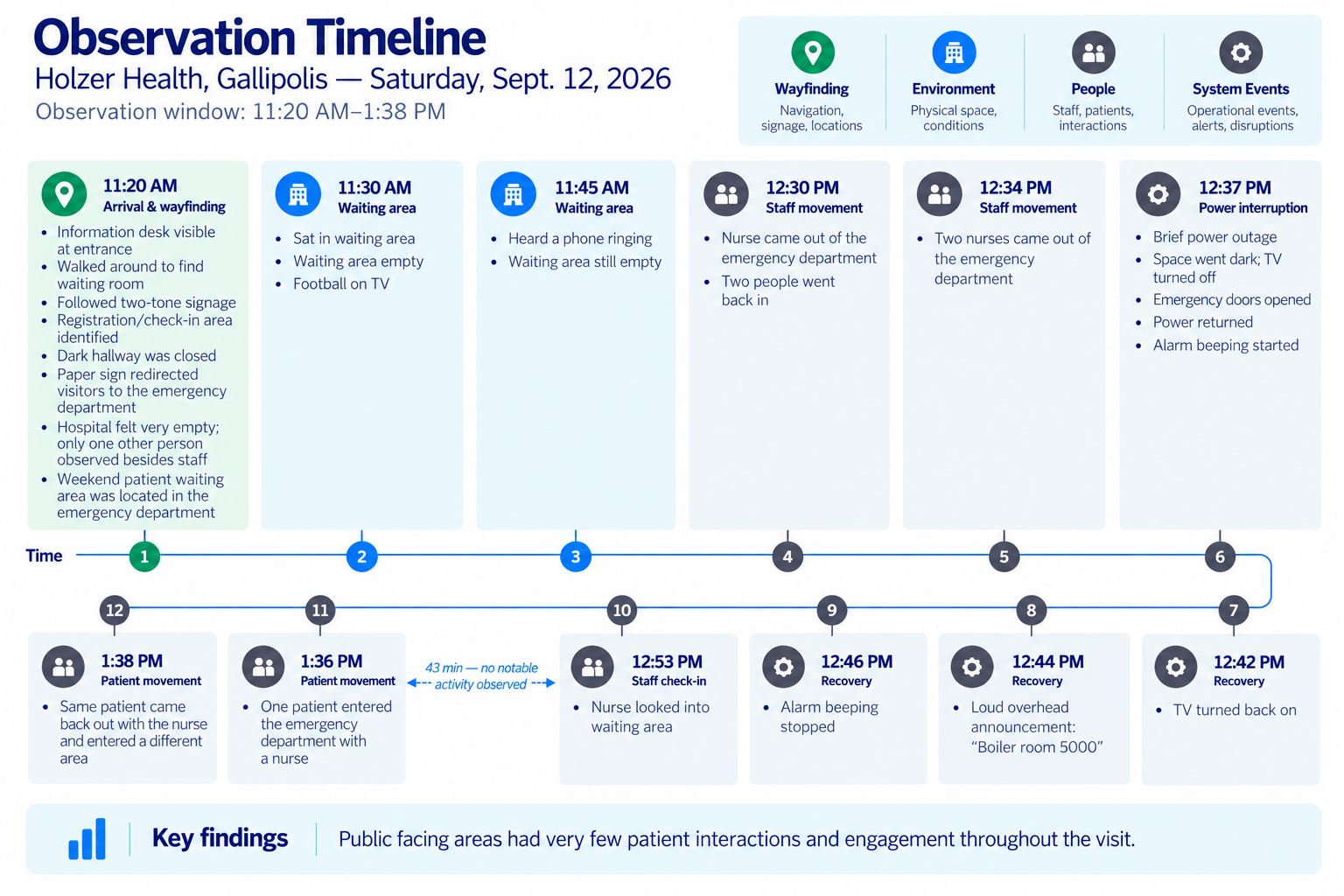
This observation timeline lays out all the events that happened at the times they occurred from my observations in the waiting room. Events are categorized into the sections of environment, people, and system events. Staff and patient movement were the most frequent occurrences, with system disruption and recovery being the second.
However, the more interesting finding is one that is not prominently noted in the graphic. There were zero patients that entered the waiting area from the time that I sat down to the time I left. The only person that ever came in was the nurse that came to check in after the power outage. While this is not fully representative of the emergency department experiences, let alone every Saturday, it is interesting that not one person came to seek any medical care at all. The only patient that was seen, was one that was already admitted into the hospital.
No generative AI was used in the writing of this section.



