
Primary Research - HealthCare from Inside the Community
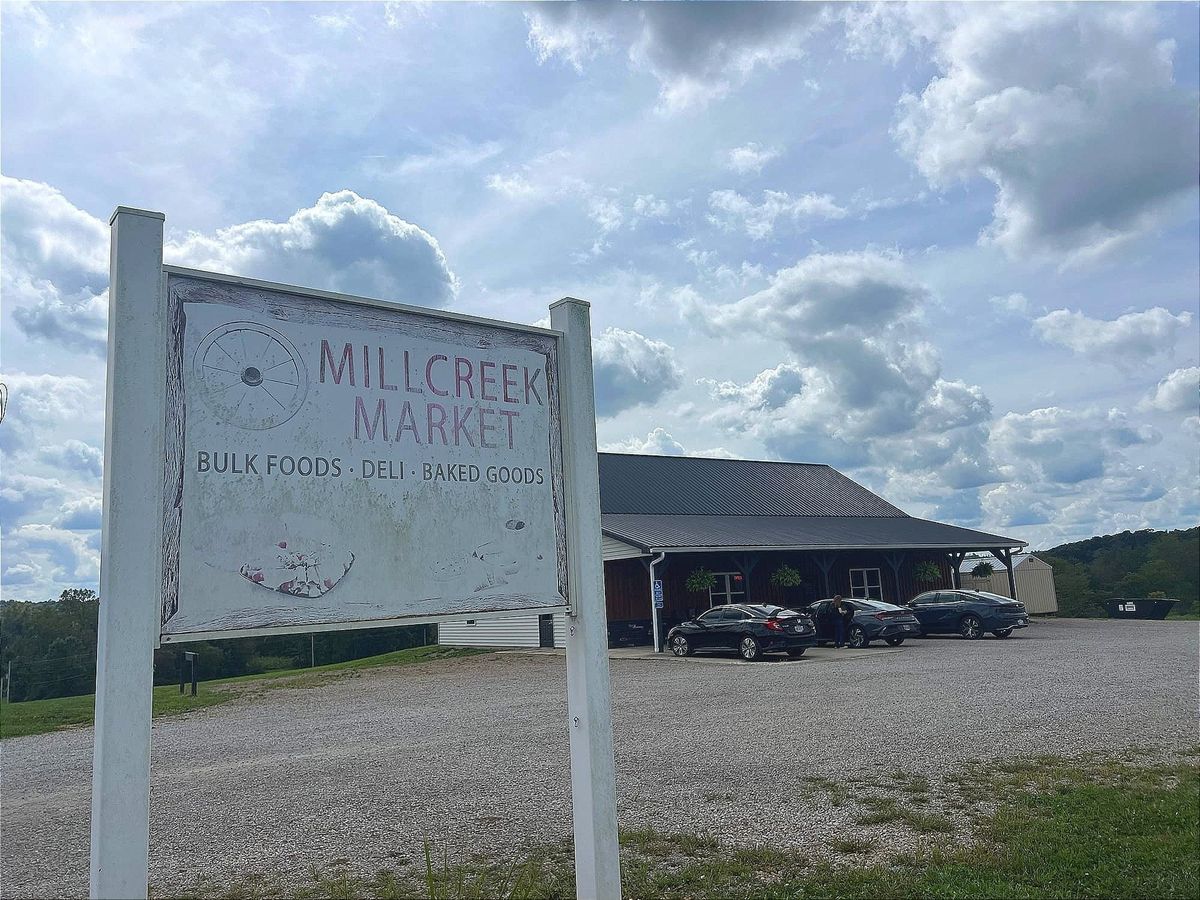
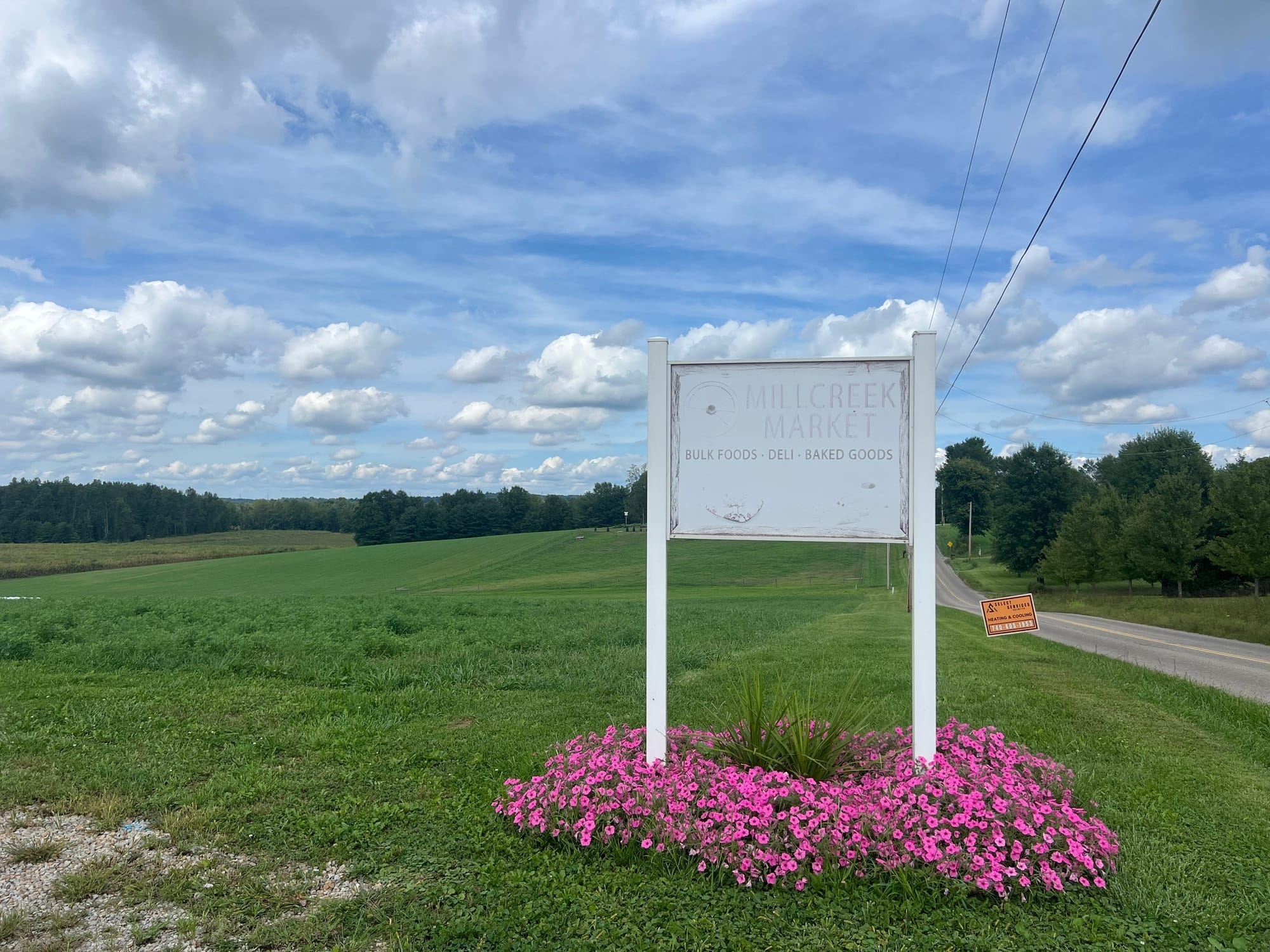
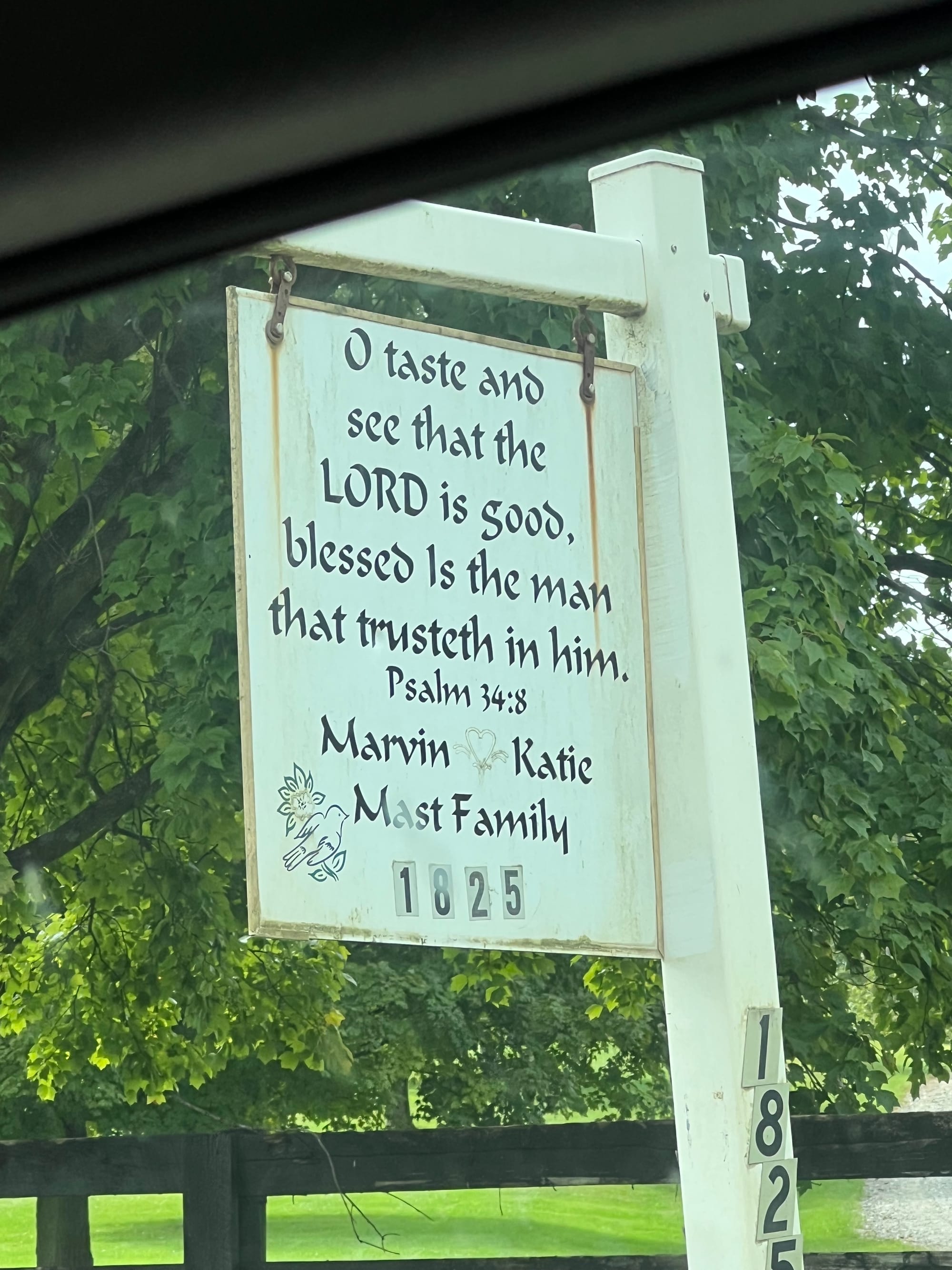
To better understand how healthcare is actually experienced in rural communities, I spent time in Junction City (Perry County) conducting field research through informal interviews and ethnographic observation. I spoke with community members in three different settings: Miriam, a cashier at Millcreek Market in Junction City; a teacher at Creekside Christian School near Bremen; and a couple in their early 60s at their farmhouse. Rather than only asking where people receive healthcare, I wanted to understand what happens before someone decides to seek professional care, how they get there, how they pay for it, and who they trust along the way.

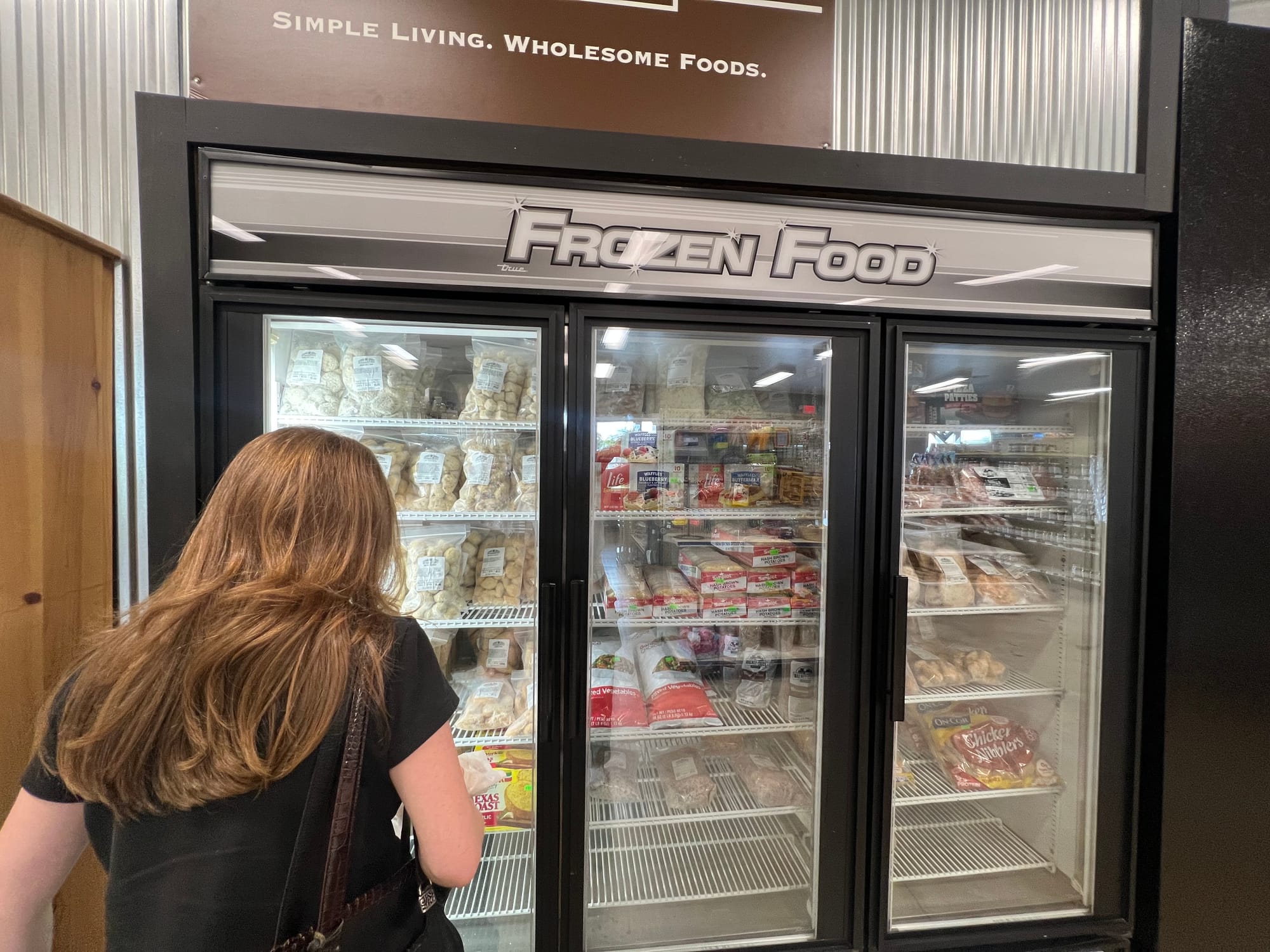
Across all three conversations, healthcare was rarely the first response to illness. Vitamins, herbal teas, supplements, oils, and other home remedies were commonly used first. Millcreek Market sells Natural Hope medicines for concerns ranging from fevers to attention (ADHD) and calming. The teacher I interviewed described using vitamin C, supplements, and herbal tea and said he had not visited a doctor in at least three years because he “hadn’t been sick.”
When professional care is needed, Lancaster is the main destination, often requiring a 20–30 minute trip. Because transportation is not always independently available by car, community members may hire drivers, ask neighbors, use e-bikes, or call an ambulance during an emergency. One person described paying around $100 for transportation to a Columbus hospital for a brain injury follow-up. E-bikes have become a common everyday transportation option, including during winter.
Cost is handled differently as well. The people I spoke with did not use conventional health insurance. Instead, church- or community-based health-sharing programs help cover major medical expenses. One participant described paying approximately $125 per month into a “brotherhood aid plan,” with catastrophic coverage beginning after the first $5,000. Routine expenses and services such as maternity care still get paid personally.
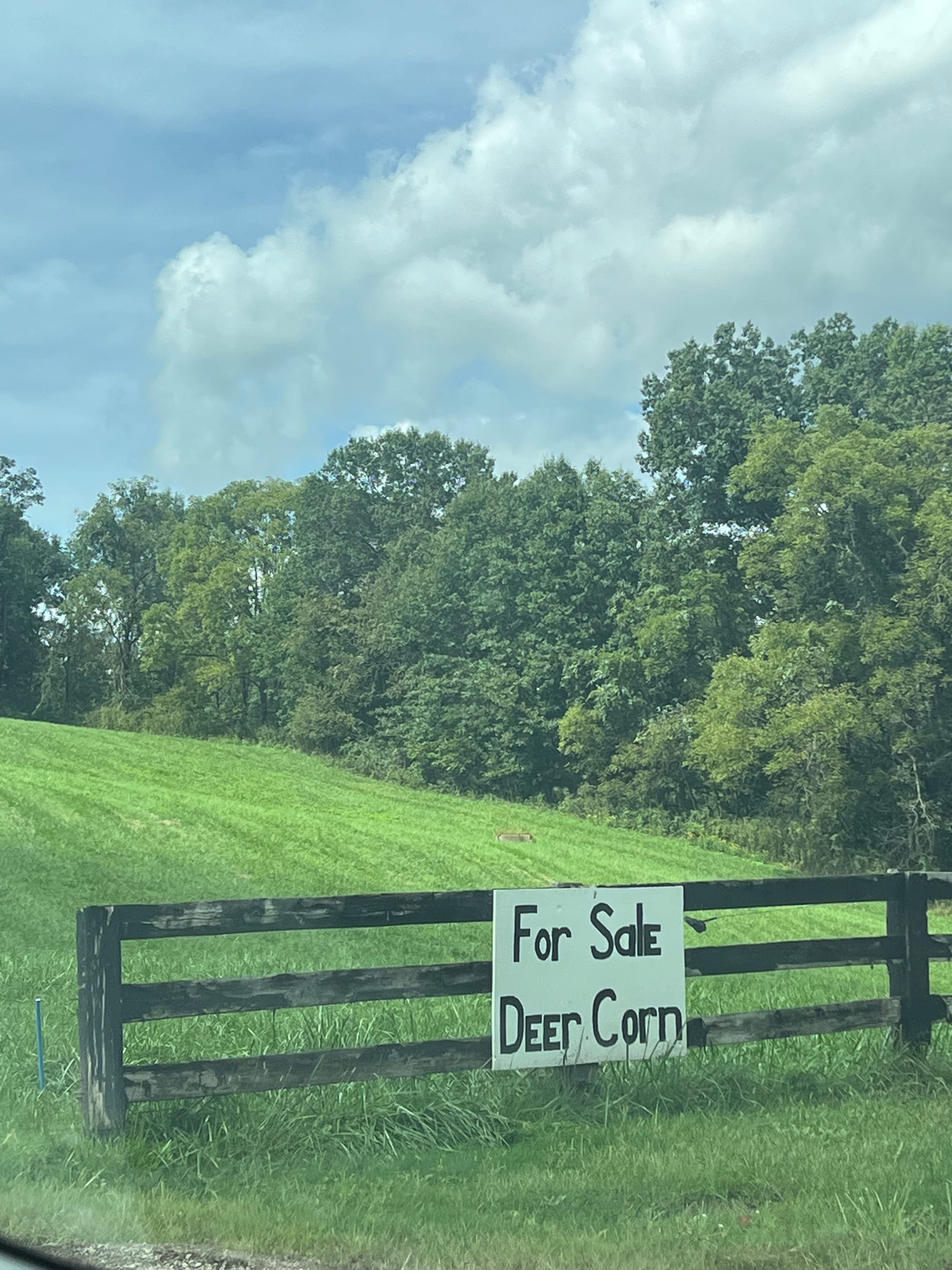
What stood out most was that healthcare decisions were not simply about access to a doctor. Trust, faith, family, transportation, cost, and community support all influence when and how someone seeks care. The community is not disconnected from healthcare: people call 911, use emergency rooms and urgent care, work with trained midwives, and travel to major hospitals when necessary. One couple described their baby receiving open-heart surgery in Cleveland as an experience that taught them to deeply appreciate doctors and nurses.
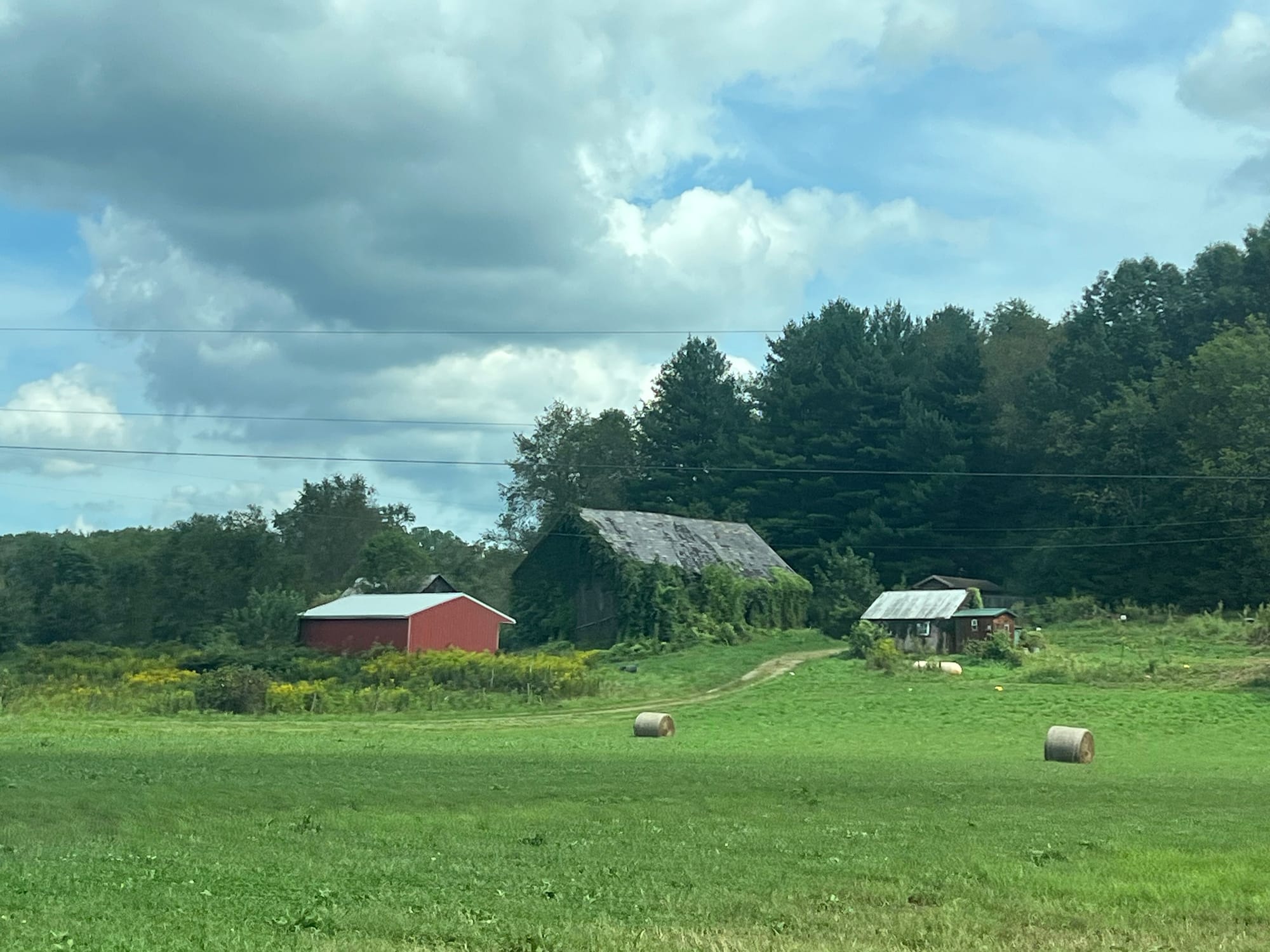
At the same time, professional healthcare exists alongside a strong system of self-care and community care. Teachers handle basic first aid because the school has no nurse. A trusted midwife supports many births. Neighbors and hired drivers provide transportation. Churches organize financial support. Community health and safety events bring state troopers, firefighters, doctors, and midwives directly into the community to teach emergency response.
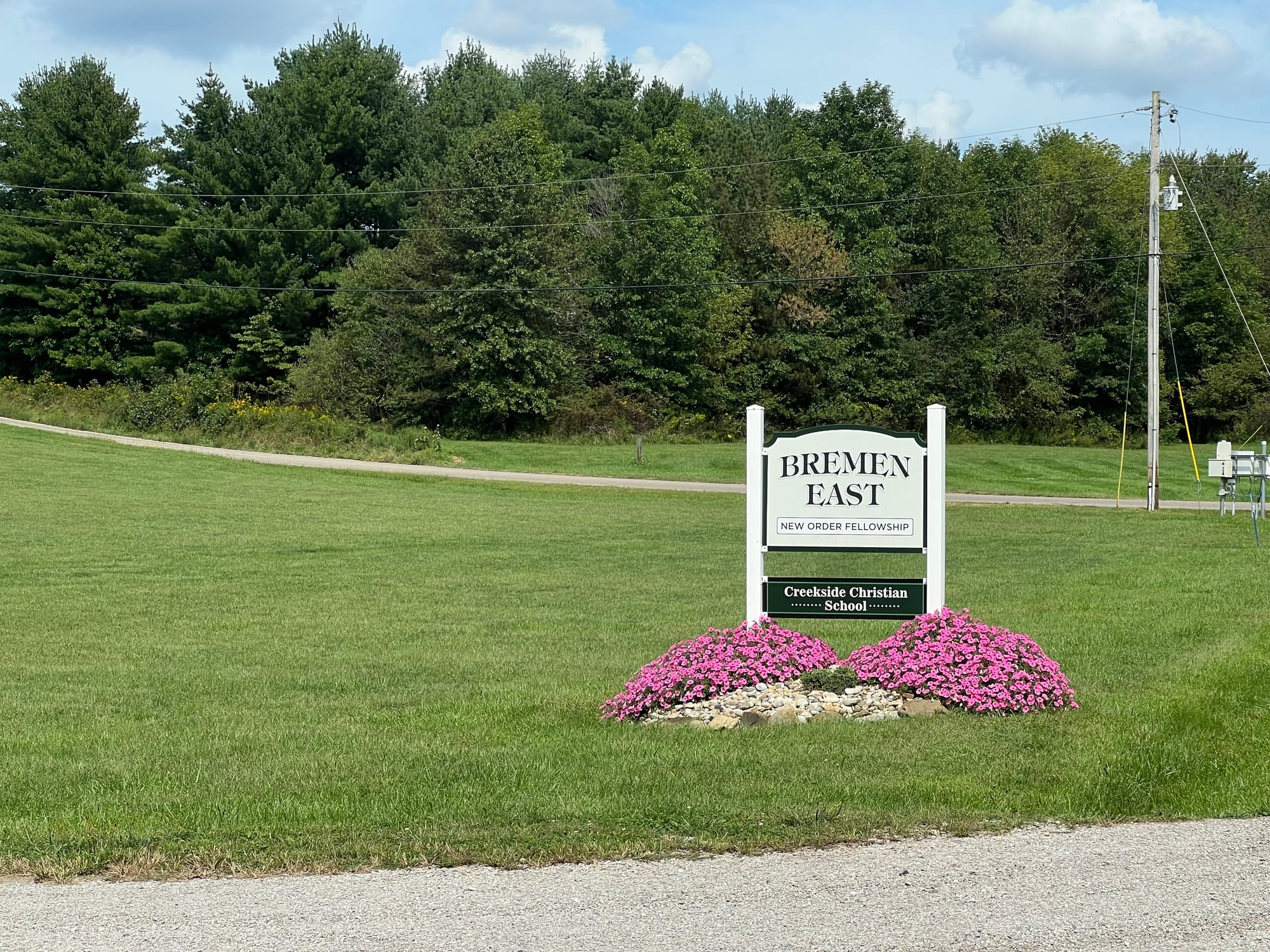
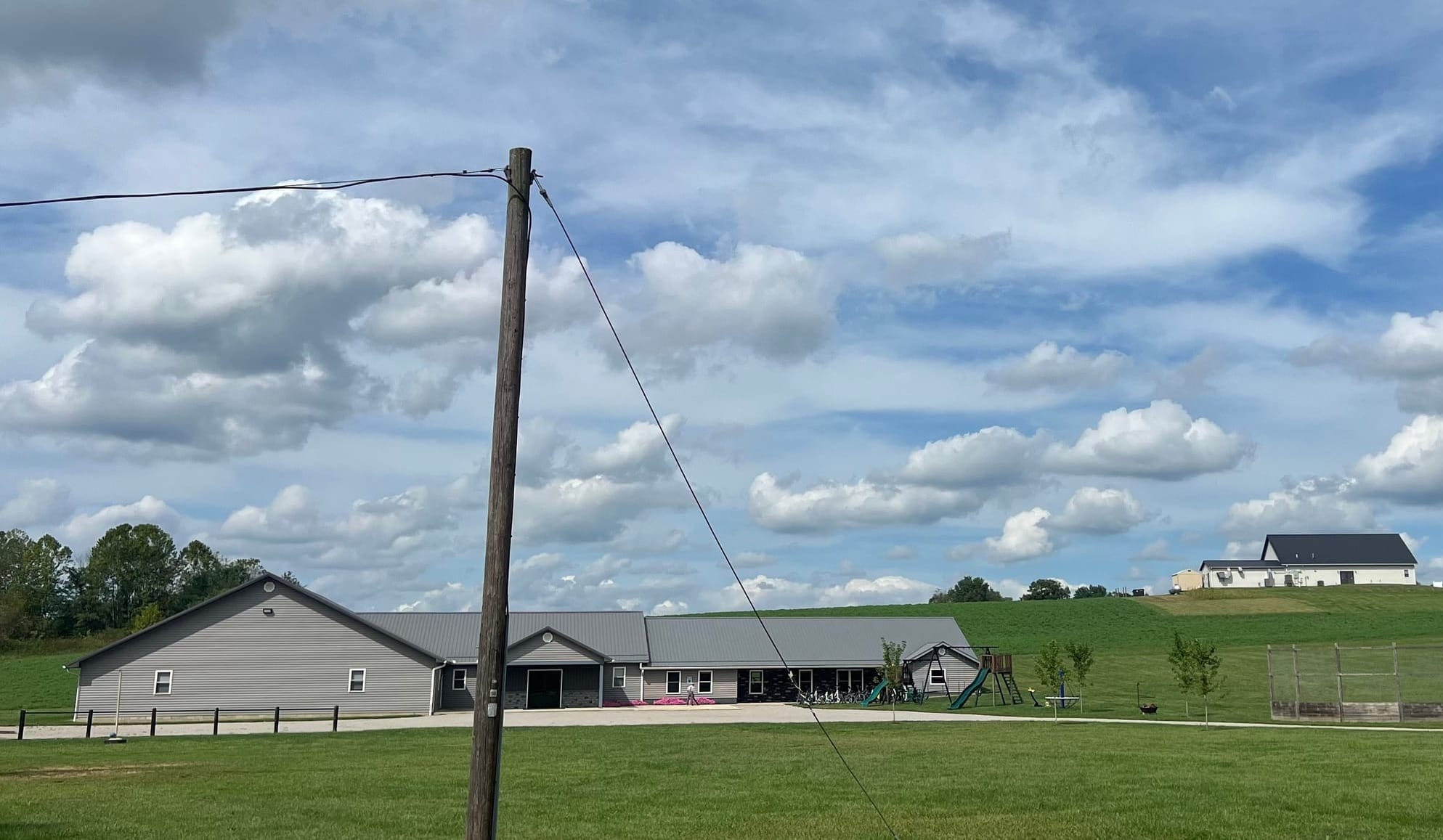
This research changed how I understood the problem. The opportunity may not be to replace these existing systems with more technology, but to design healthcare around the trusted people, places, and practices that already exist. A solution that ignores those relationships could remove the very things that make someone comfortable seeking care in the first place.



