
Primary Research | Hocking County | Laurelville EMS Interview
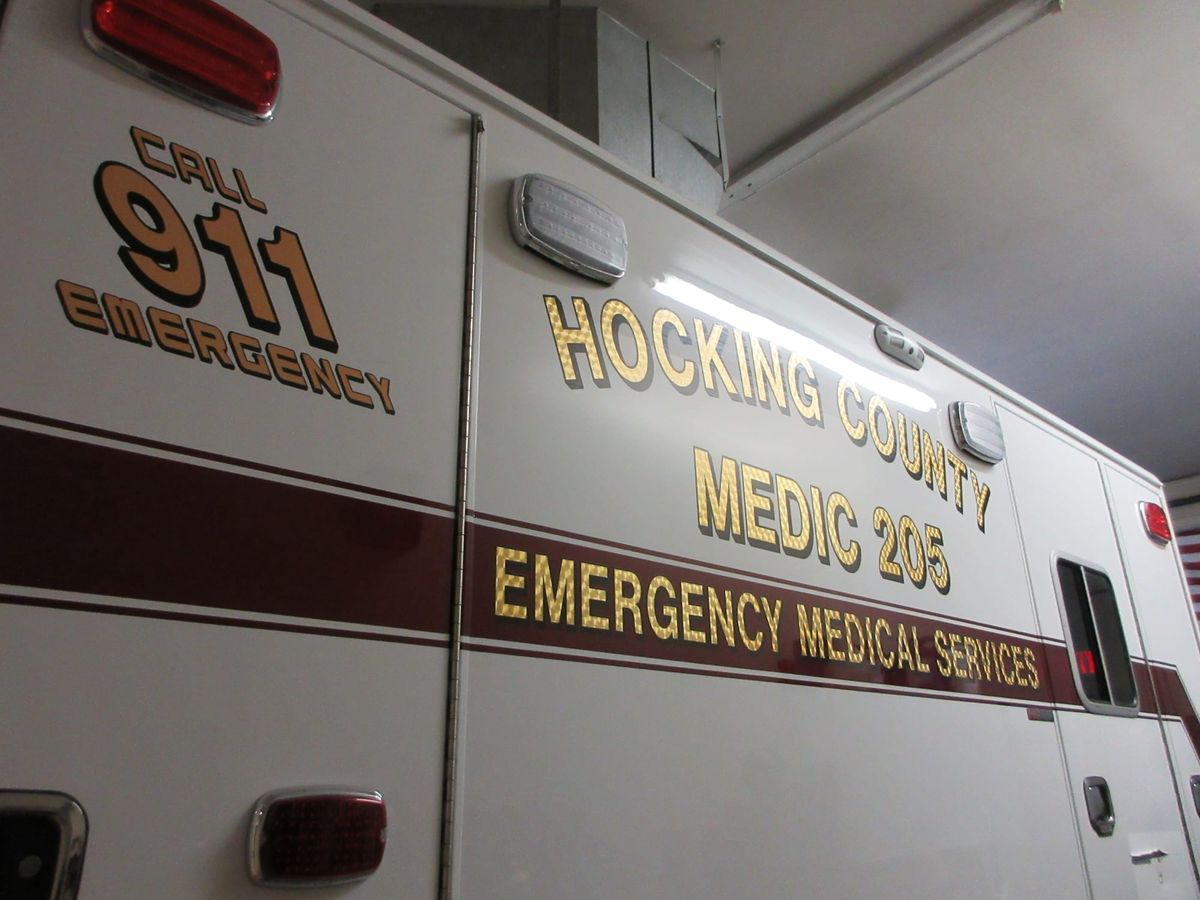
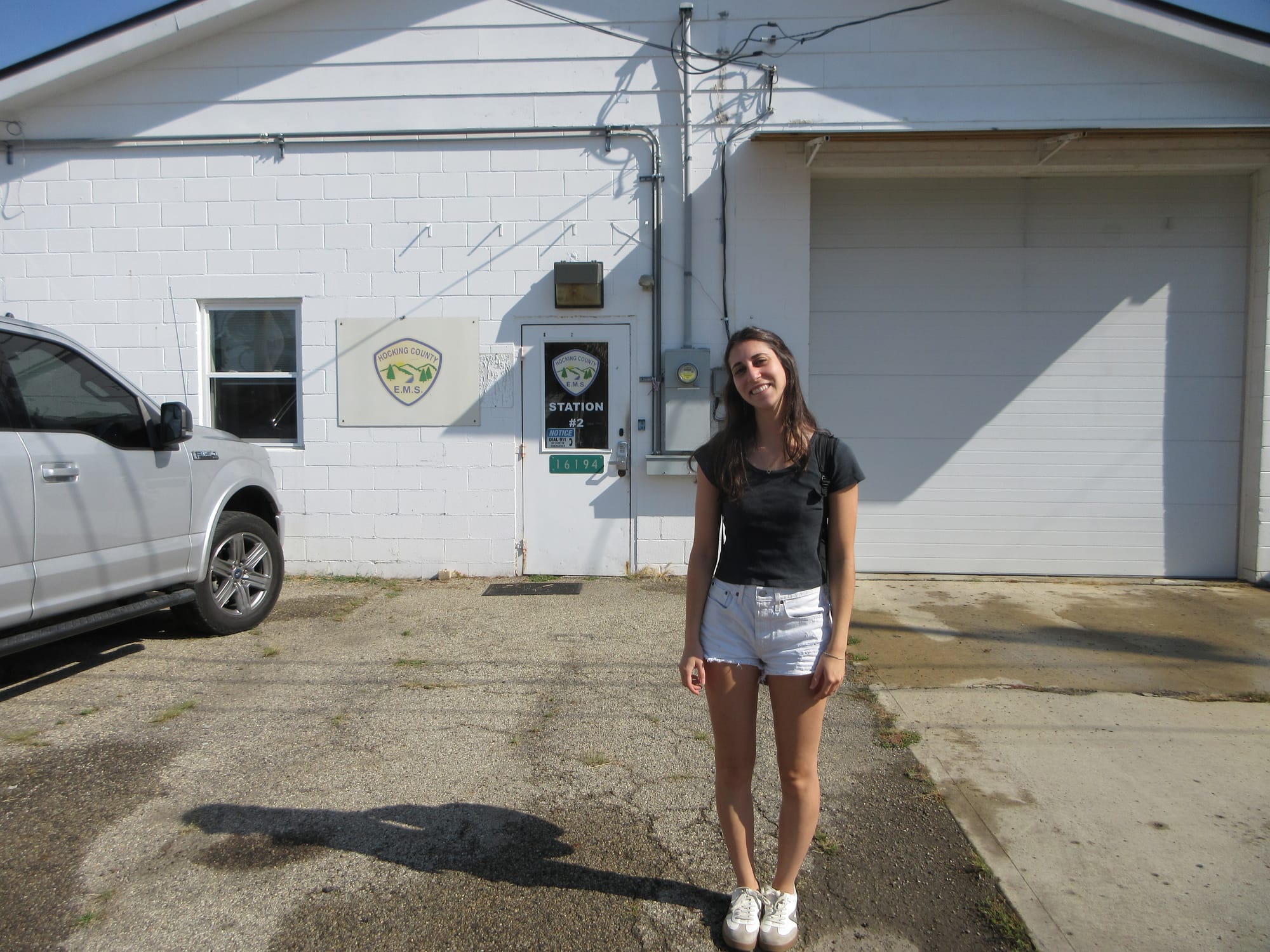
Amanda McMichael: We work for Hocking County EMS… 424 square miles. So we have three stations and four trucks that cover the entire county. We are EMS only. There's a lot of places, like especially in Columbus, where it's EMS and fire together. There's a station in Logan, and they run two ALS trucks, it's advanced life support… intubating patients, pushing drugs.
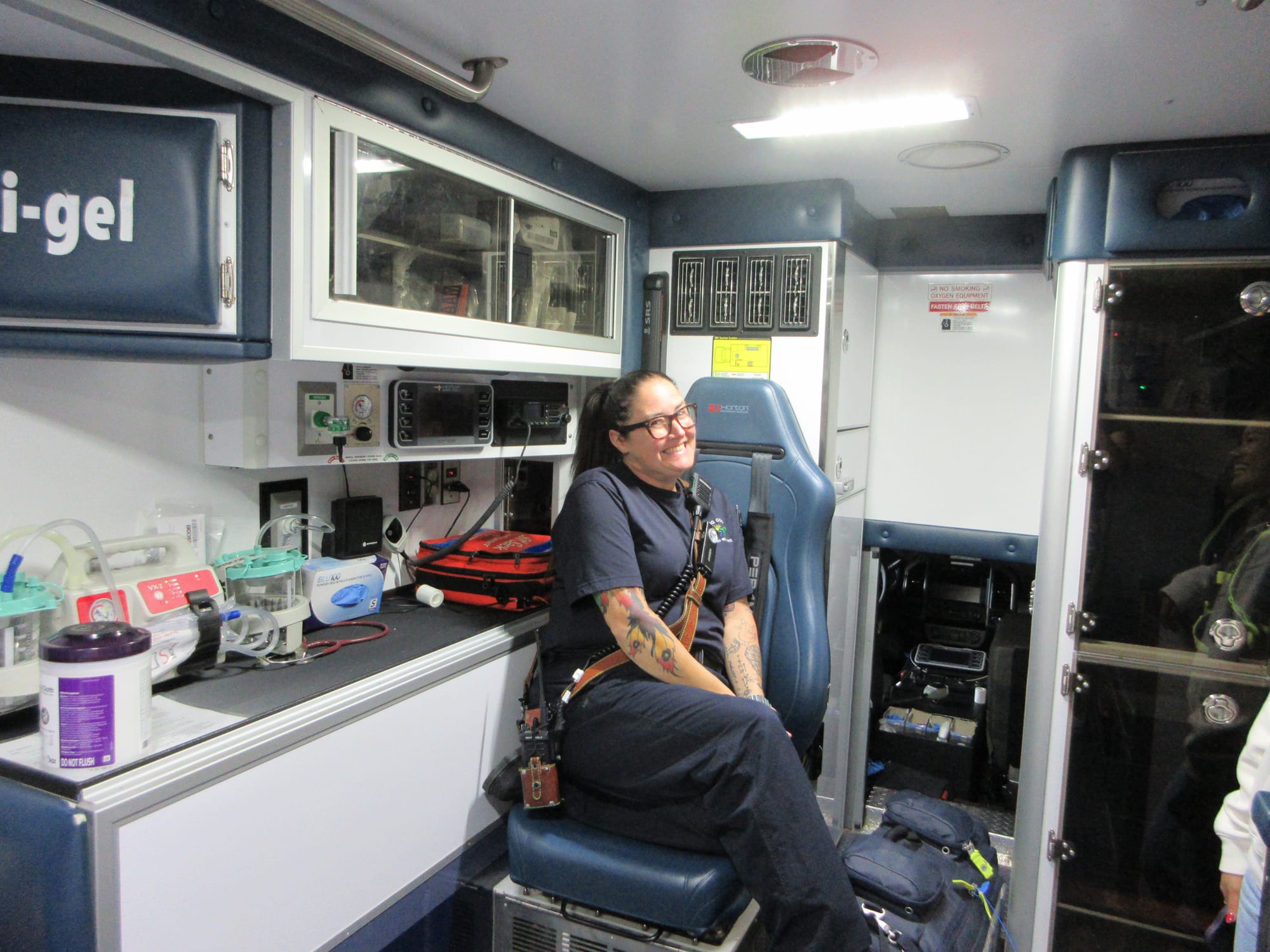
So he [Robert Sisson] and I are both paramedics. And that is what the county is staffed with. So, we got on at 8 a.m. this morning, and we'll get off at 8 a.m. tomorrow morning. And then there's two more crews that follow us. We're on for 24, and then off for 48.
We are kind of unique, too, because we're rural EMS only and so there are things like the high angle rescue and the auto extrication. We can have runs out to caves. Old Man's Cave and all that stuff… we could have a unit tied up for 2 hours.
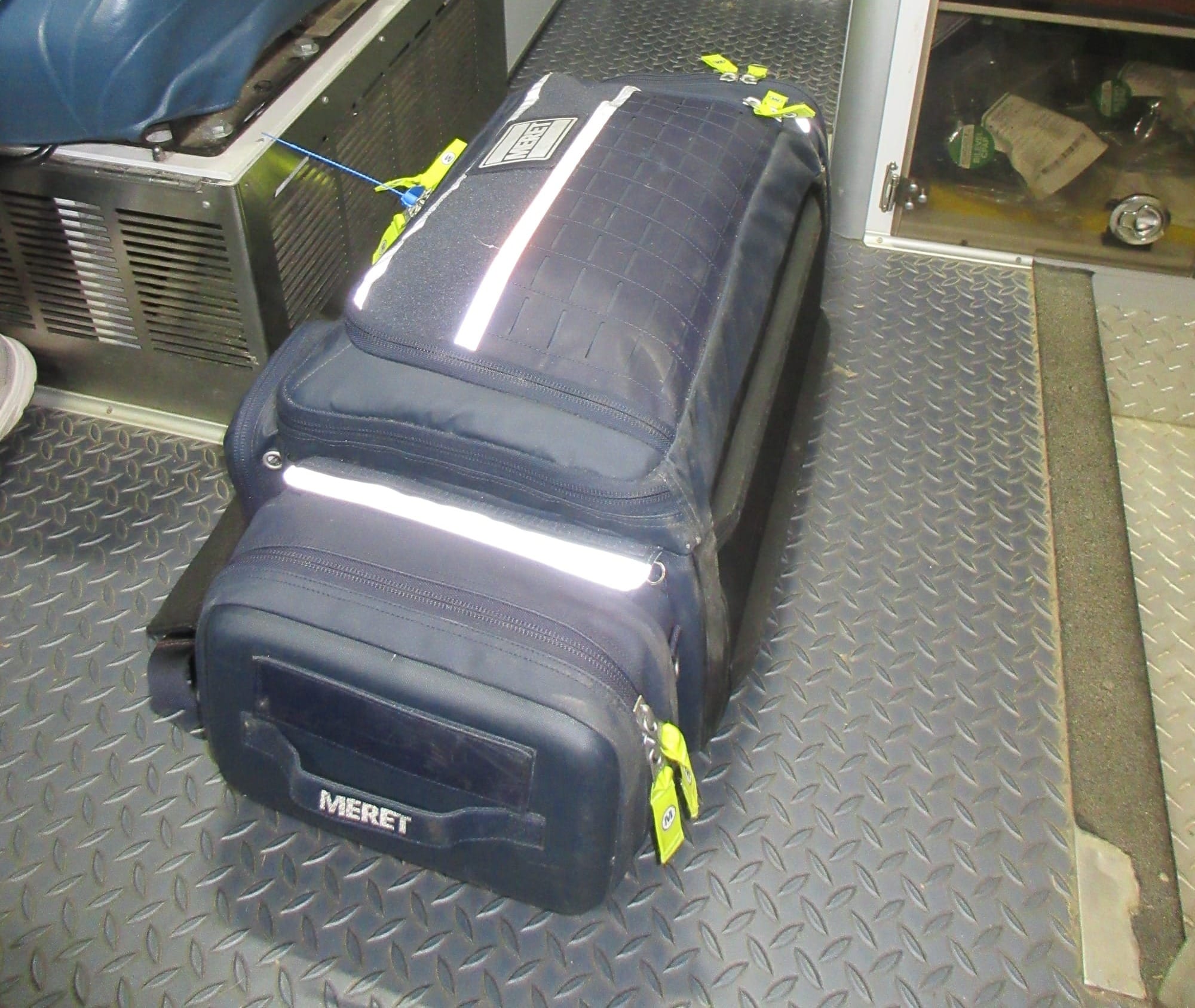
Robert Sisson: If I'm going out on a trail hike, I'm taking the backpack and the airway kit. The monitor, if I'm going on a run to an ATV accident, that bag's going with me.
Q: How often are firefighters at the same scenes that you guys are?
Amanda: Yeah, often.
Q: The 911 dispatcher sends both of you?
Amanda: Depending. Yeah. If it's a trail run or a cave run, yes, firefighter's gonna go. Car accidents, all of our accidents, cardiac arrests, fire department's gonna go on all those. We already know that this patient's 400 pounds, they will dispatch the fire for us so we can have assistance getting the patient up.
We utilize volunteer fire departments all over the county. I think the only paid department is Logan in Hocking County. Everybody else is volunteer… they can go and get the runs started for us. We're trying to get more trucks staffed, more personnel, looking at additional stations down the road to break up some of that.
Community paramedic initiative:
Amanda: From 8 to 5 o'clock in the afternoon [the community paramedic] would go out in a station vehicle, go out there to their house, educate them, help them with assisting their medications. So that's something that we've looked at getting into, but obviously we have to have more resources in order to put a program like that together.
They have telehealth, you know, that they can call their family physicians and set up an appointment but the majority of the population would need in-person training… hands-on. Let's divide your medication up into mornings and evenings, because a lot of people don't know that. [Their doctors] educate them to a point. But then when they get home, they get confused about it. And then their pride keeps them from calling. And then unfortunately that goes until it's too late and then they have to call 911.
Another downfall with having it be a virtual telehealth out here is the lack of service. People have landlines, but you go down these roads, and there is no service.
Q: Have you guys ever missed a call because you were in a place without self service?
Robert: No, because we have radios that we use. You're in a dead spot with your radio, but you can move 10 or 15 feet and get that signal.
Equipment:
Amanda: I feel like the equipment that we have is not outdated. When I get on that truck, I'm responsible for checking the truck every morning and making sure, like, there's not a battery that's dead or something like that, but I don't get on that truck and think, oh, man, I hope I don't have to, you know, intubate somebody today, because my equipment's outdated.
I feel one of our biggest struggles in this agency as far as our equipment goes, is keeping up with our truck maintenance. We currently have 3 new trucks on order for 2 years. We've been waiting long.
Staffing:
Amanda: When you get a critical patient, it's just the two of us, and we need the two of us in the back. If we just had one more additional person out here, I think that would be great. Like if you go into Lancaster, I think they have like 6 people on their trucks. They actually have enough to where one person is in charge of documentation. You know? We're treating, documenting, trying to figure out how we're going to get to the hospital.
Reasons for Emergency Medical Service:
Amanda: Sometimes it's emergencies, and sometimes it's I need a ride to the doctor, or I need a ride to the hospital. The nearest hospital is 20 miles in any direction. We actually do have a lot of people… that are walk-ins. There's not an urgent care. We are it for the Laurelville area.
So out here, there are a lot of people who don't have a car. And so they, you know, call us 'cause they need to go to the hospital, or a lot of people also don't have primary care providers and so they use the ER as their primary care provider. We don't transport every single person, we stabilize, and get to the next step, which would be the ER or a long-term facility.
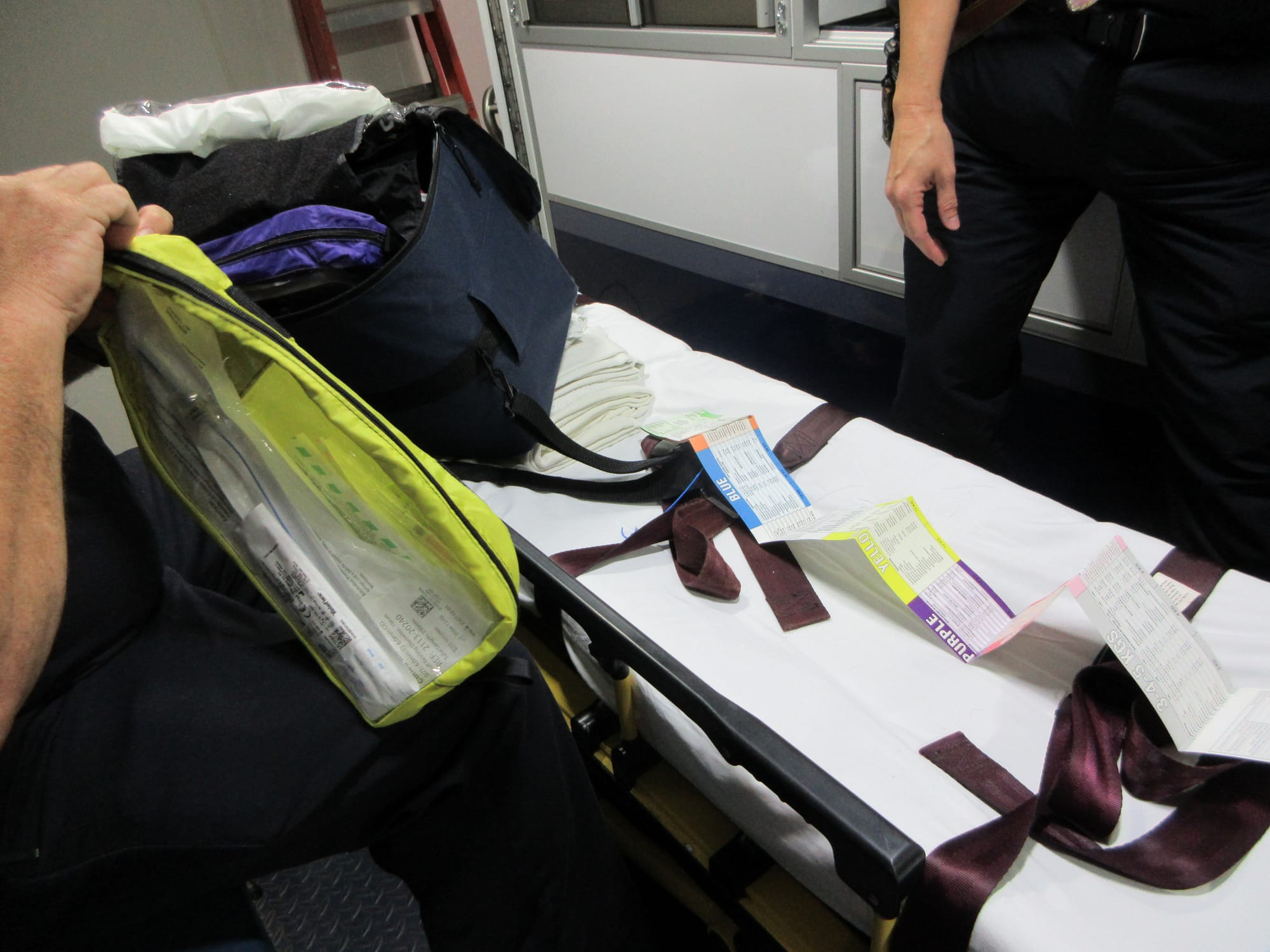
We've had a couple, like, walk ins, where mom comes in, 'cause baby's having an allergic reaction, walks into our station, you know, and I need to know how to treat this baby. We're estimating, based on the height, that it's that weight. So, these are any of the drugs I may need to give? [The protocol] already got them predetermined, like, this is the dose you're gonna give.
911 Calls:
Amanda: I feel like a lot of it is noncompliance. They know what they need to do. They just don't. Lack of knowledge.
911 has a list of questions that they ask. We don't know until we get on scene, because the dispatchers can only do the best they can, but our job is, as soon as we hit that door, to look at that patient, and go sick or not sick, really quickly. So, that's just part of our training. Most frequent, like, calls are. And I said, chest pain, abdominal pain, and seizures. Sure. Oh, shortness of breath, yeah, that's another big one.
Robert: Frequent callers are typically your non-compliant people, you know, or they have a chronic issue that they don't have a primary care physician for. And so because you have a chronic issue that you're not taken care of, then we see you a lot. We have patients that call us all the time for the same thing. Or, like Amanda said earlier, they need to get to their hospital, to their doctor's appointments. So their next step is to call EMS and say, I'm short of breath, I need to go to the hospital. A lot of times, if you arrive on the scene or to their residence, they're sitting there with their bags packed and ready to go. They called us, you know, whether it's an emergency for them or not, we're going to respond and we're going to treat them as we would if it was a true emergency.
Amanda: [Referring to elderly frequent caller] And his grandson's like, we can't get home health care out here, 'cause nobody will drive out this far.
I mean, 50% of our calls, we're going to get into some kind of potential emergency. And I think that is something with being out here in this area too, these people are not going to call until it's like, bro, you should have called like 3 days ago. Yeah, you can't breathe. You should have called.
Q: What do you think are the reasons people wait so long to get help?
Amanda: I think they don't want us in their house. They don't want to call us because of financial responsibility or because they don't have insurance. They don't want to hear what we're going to tell them a lot of times, you know, like, you need to go to the hospital and don't want to go to the hospital.
[Referring to elderly non-compliant patient] His deal was, we just took him the week before and he spent 3 or 4 days in the hospital, just didn't want to go back. He's 90 years old. He knows he's towards the end of life and the last place he wants to spend it is in a hospital. So, and you find that a lot, it's really sad.
Extreme calls:
Amanda: You can have a DNR, but we have to visually see it and see its legal documentation. Because a lot of times you run into the thing where patient wishes are different from family wishes, you know, and whether they like it or not, we have a responsibility to do what's best for this patient. Our medical director will answer the phone anytime of the day. One o'clock in the morning to one o'clock in the afternoon and answer our questions. So if we have this situation, we can call and say, this is what's being provided to us. This is the signature that they have, what do you advise?
Q: You delivered a baby?
Amanda: Well, we got there just after. I cut the cord.
Q: Are there a lot of home births in this area?
Amanda: Oh, thankfully not.. It was a sad situation. She said she didn't know that she was pregnant. There's lots of drugs involved and stuff like that. It wasn't like a home birth. It was like a home birth.
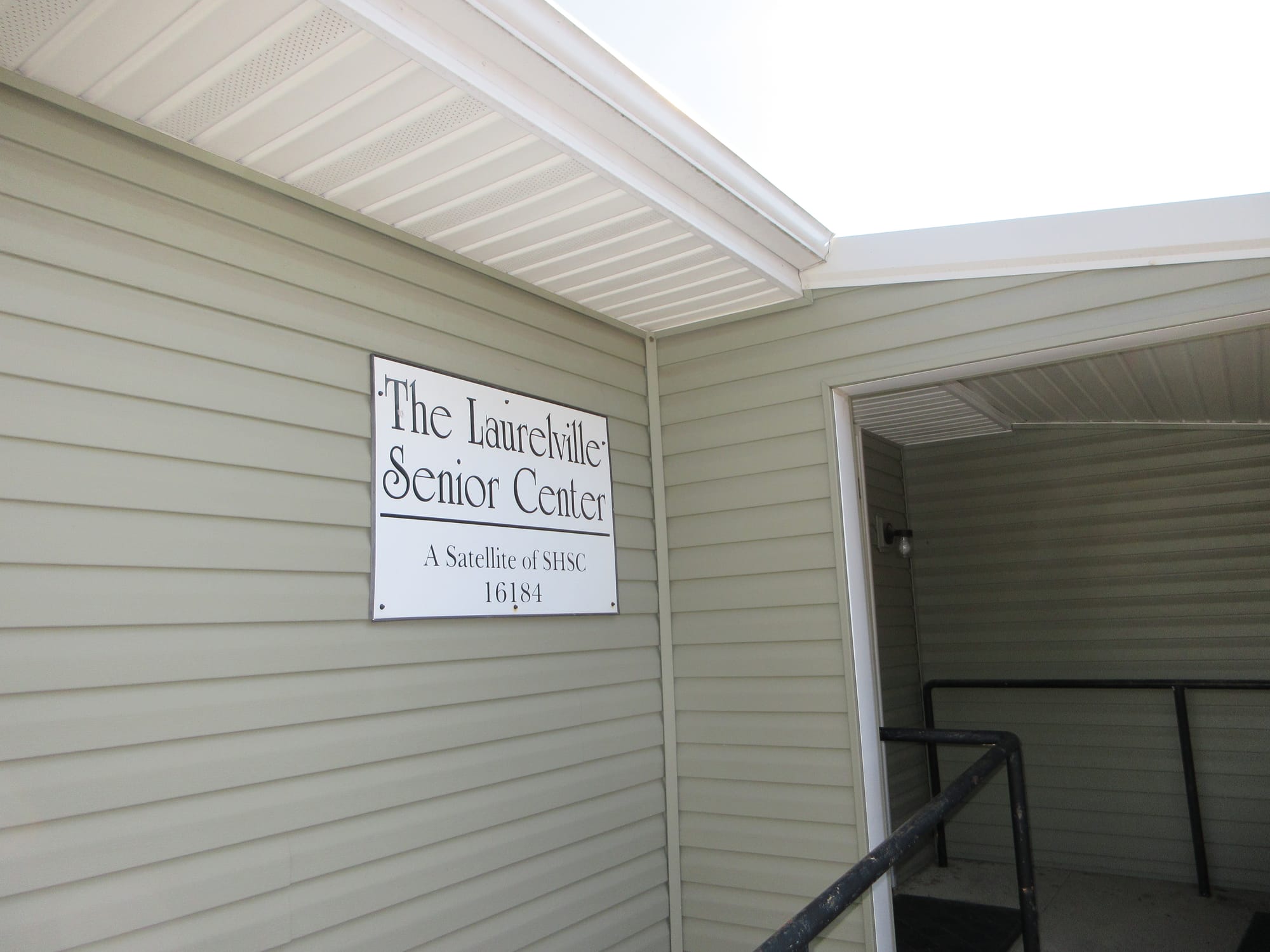
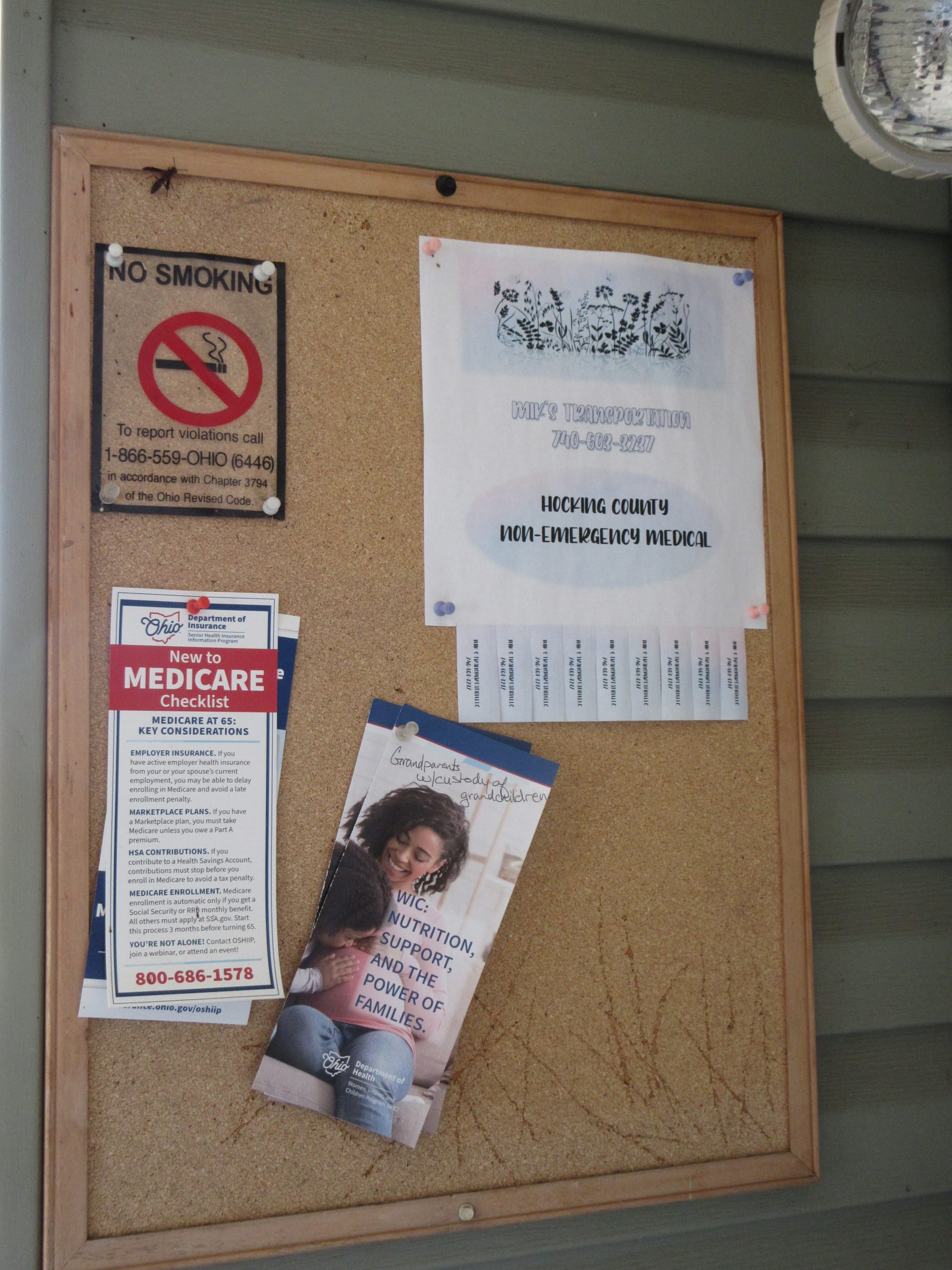
This revealed personal experiences on rural conditions and uncontrollable factors that affect their day-to-day role as an EMS responders. They revealed a certain culture in these communities around waiting till emergencies are prominent before calling out for help or using EMS responders as primary care due to financial and physical obstacles.



