
Primary Research | Junction City | Amish Community
Note: no interviews were recorded in order to maintain respect towards the Amish culture. Responses are paraphrased.
Anya Peterman and I went to Junction City to investigate perspectives of healthcare from the Amish community.
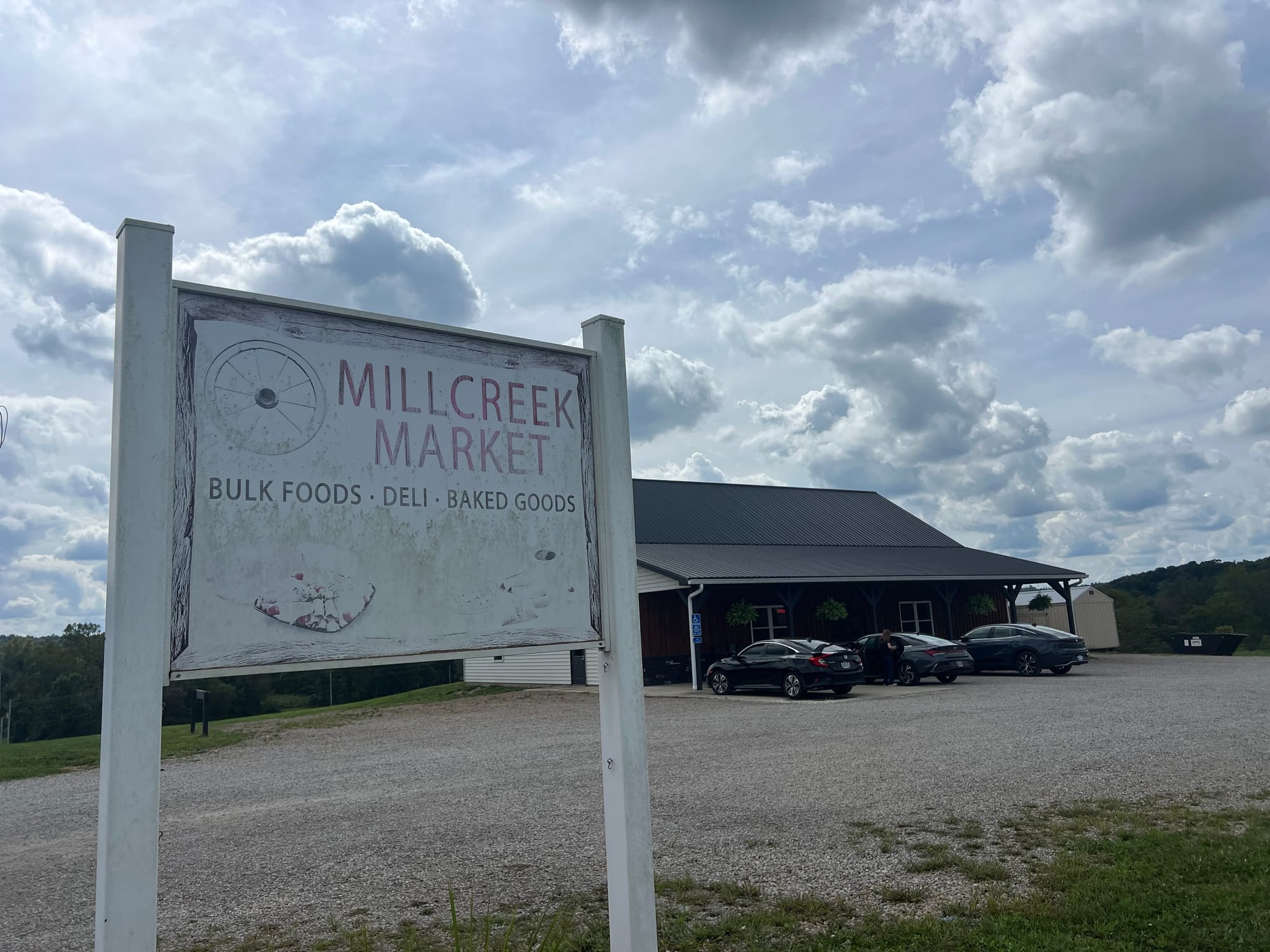
Stop 1: Millcreek Market
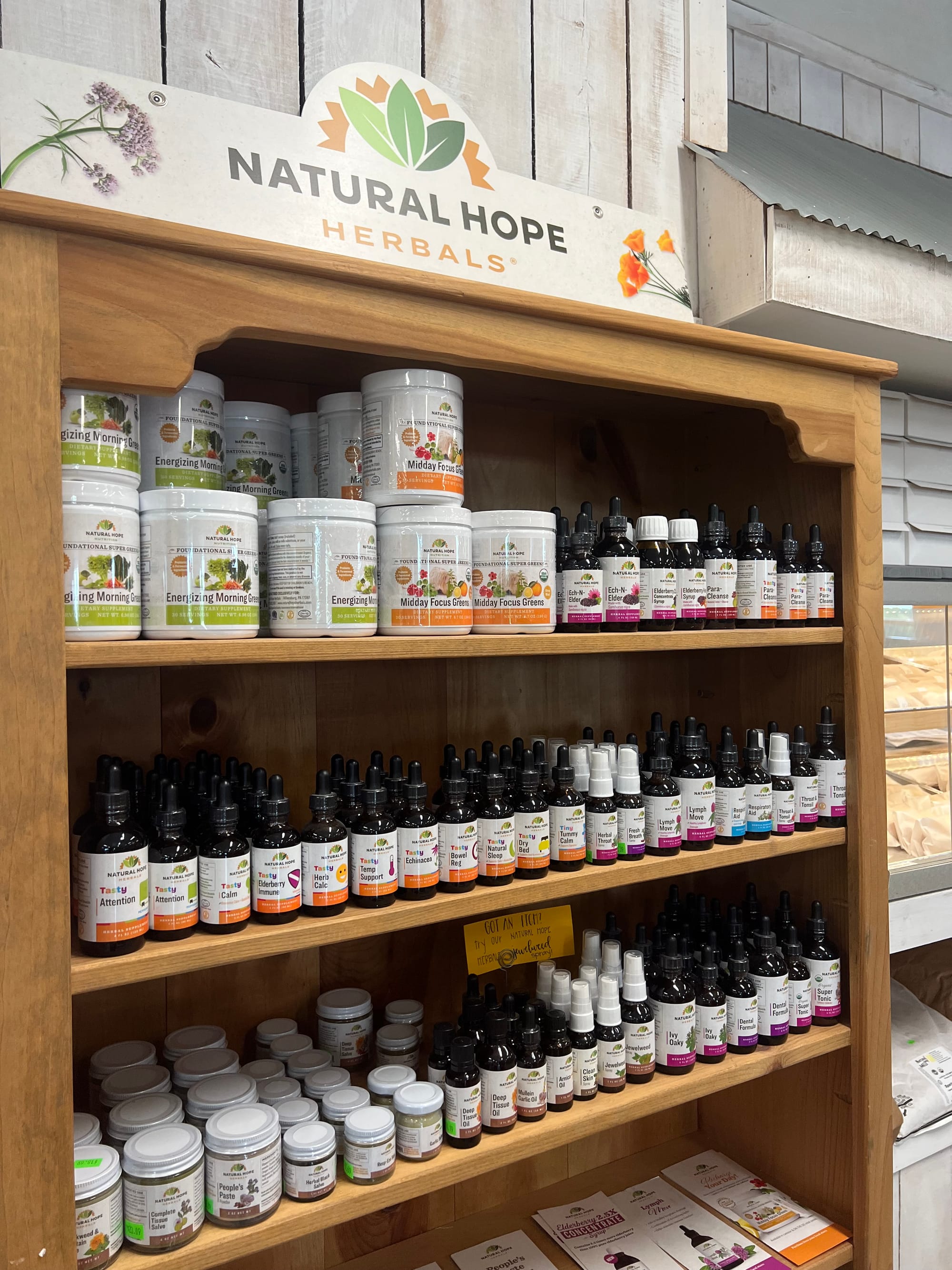
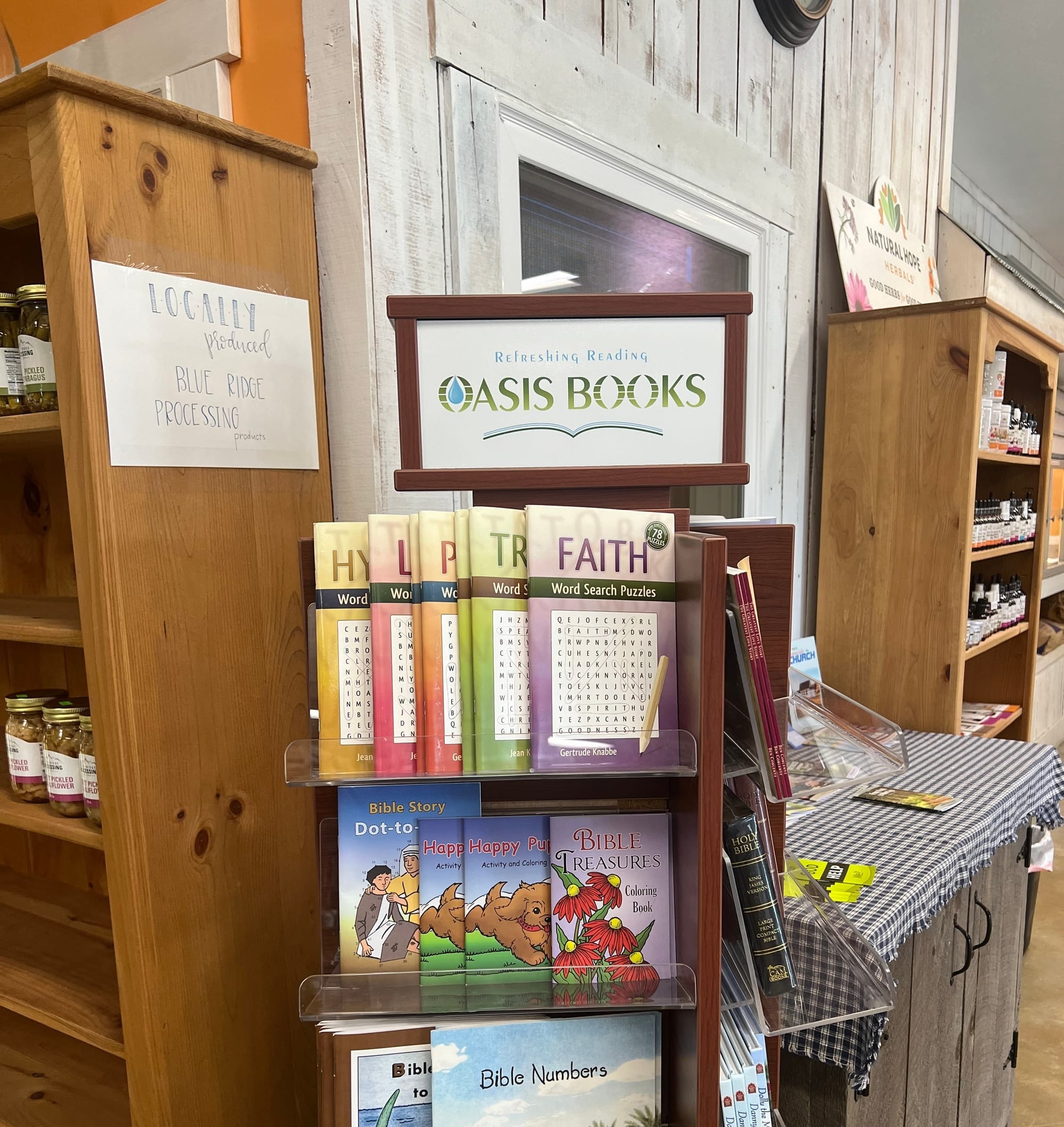
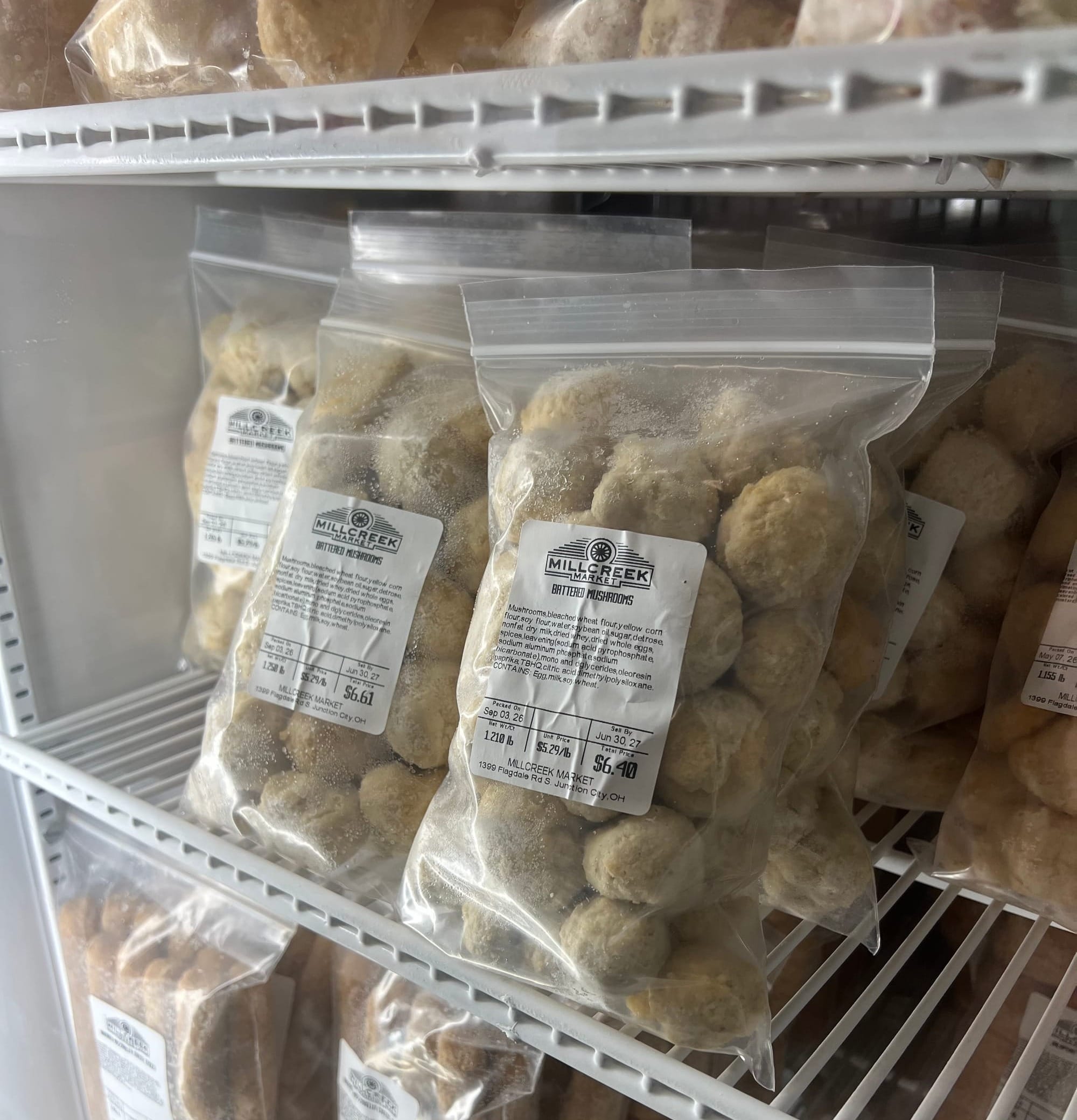
Products included Natural Hope medicines such as Deep Tissue Oil priced at $16.19 for a 30 ml bottle. Additional offerings were advertised as energy or focus supplements along with medicinal properties. An interesting element of the market was that there were no other forms of medicine offered other than natural based medicines.
Anya Peterman and I asked the cashier if we could interview her on her perspective and experience with healthcare living as part of the Amish community in a rural environment. Miriam, the cashier, lives in Perry County and had originally moved here from Indiana to teach at the school. The Amish community in Junction City has around 80 people, between 17 families.
She explained to us how they use these natural remedies first for sickness or for fevers, mentioning the purchase of "tasty attention" or "tasty calm" by parents with children who have ADHD; according to Miriam, parents see a difference.
Q: Is there a doctor you tend to go to around here?
Miriam: People get healthcare from Dr. Moore, a rural doctor who works from home or does visits at the church or a meeting spot.
It is personal preference on midwife usage for births. There is one trusted midwife for the community, but a midwife is not Amish, they have RN or full medical training. When there are known risky pregnancies, people most often go to the hospital.
They [the Amish community] have electricity but the older population that is moving out that don’t share a church do not have plumbing or washers.
Q: What kind of transportation do you typically use to get to appointments?
Miriam: They hire drivers to get places; it cost someone $100 to get to Columbus hospitals for a brain injury check up.
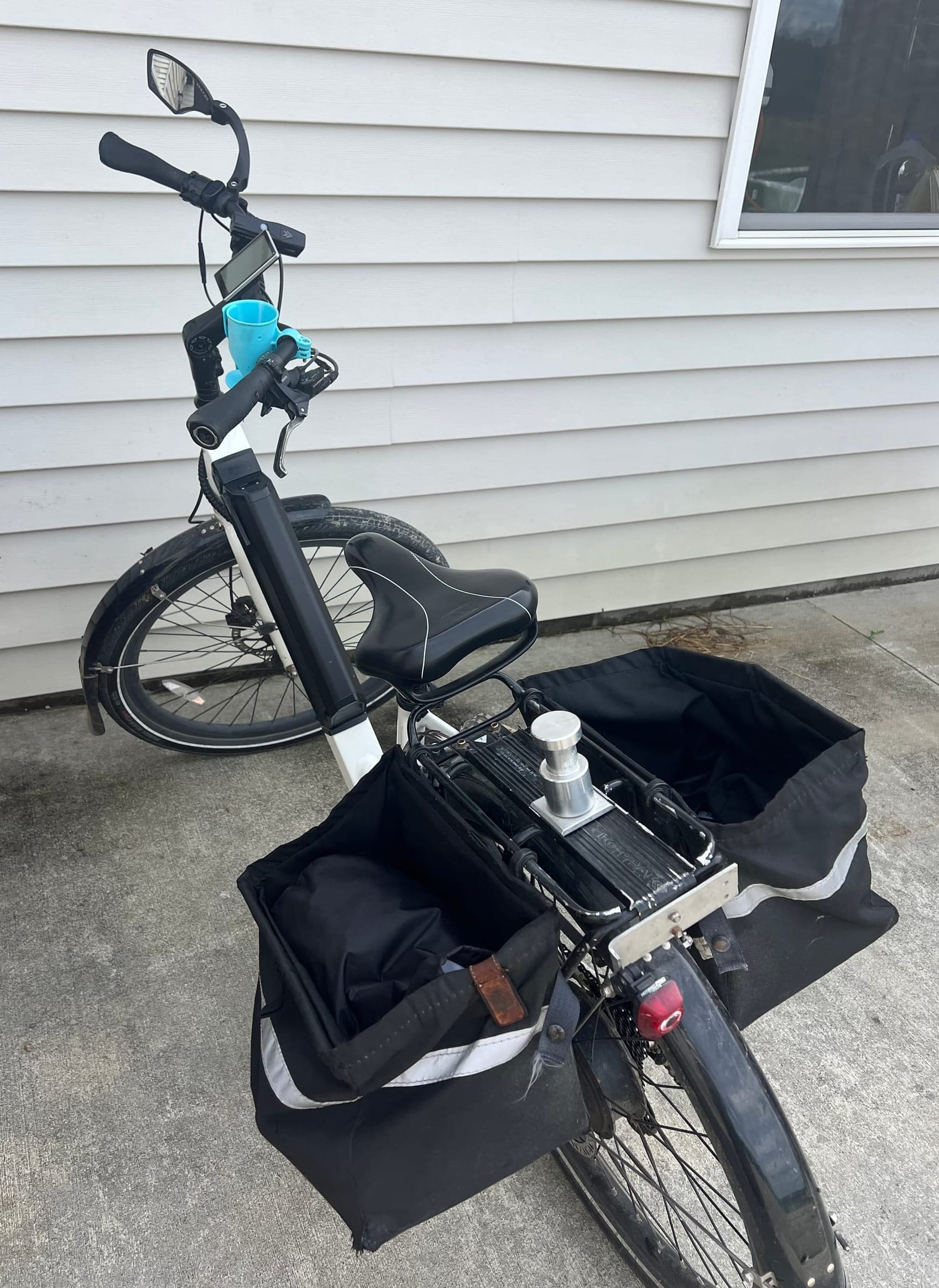
Electric bikes are popular in the community. They plug in to charge, some cost $2,000 but Miriam did not spend that much. She noted they can even be used in wintertime but they think its best to hire drivers or use a buggy for snowy conditions. Her old bike had studded tires for ice and snow which are typically cleaned by Bobcat vehicles in the community.
They hope to have fresh produce. People make their own flour from wheat berries and most people do their own cooking.
Q: Where do people go for emergency healthcare?
Miriam: Most often go to the Lancaster hospital for healthcare around 17-18 miles away.
If emergent care is needed like broken bones they go to urgent care; they do call 911 but sometimes people will wait till last minute to call.
They do not have insurance, instead they use a health sharing group fund to help out with bills for surgeries or emergency room visits. This requires once-a-month payments.
Perry County Health and Safety Day:
Miriam: Noted state troopers and firefighters were very good at making them aware of healthcare and safety and care responses. They had a buggy and helicopter crash staged with an person acting as "diseased" and another "stuck underneath". She thought it was funny that workers didn’t know how to take the buggy apart. There were also booths with midwives and doctors.
Children:
Miriam: The school does not have a school nurse, teachers have the ability to do first aid and place band-aids.
Stop 2: Creekside Christian School
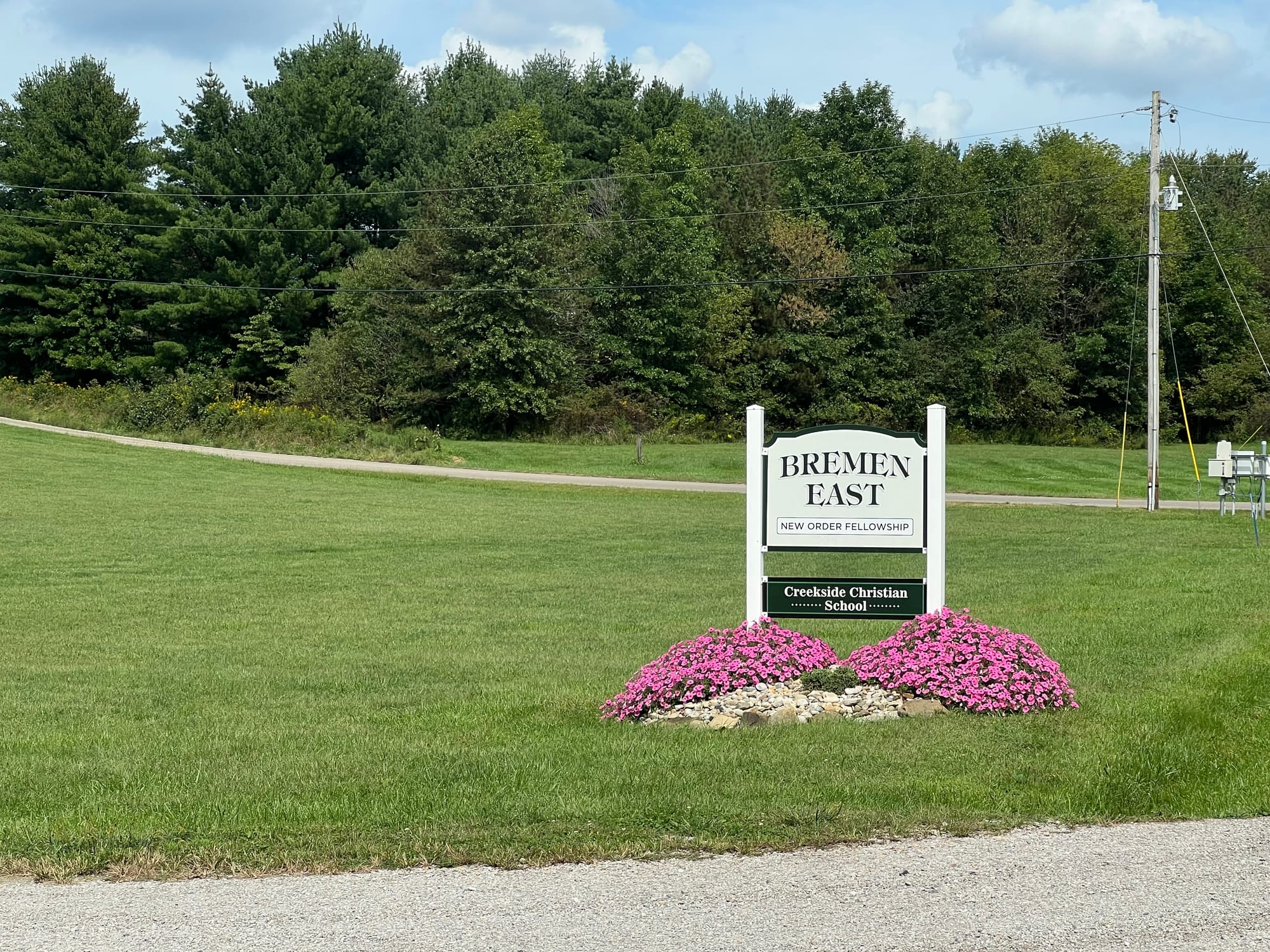
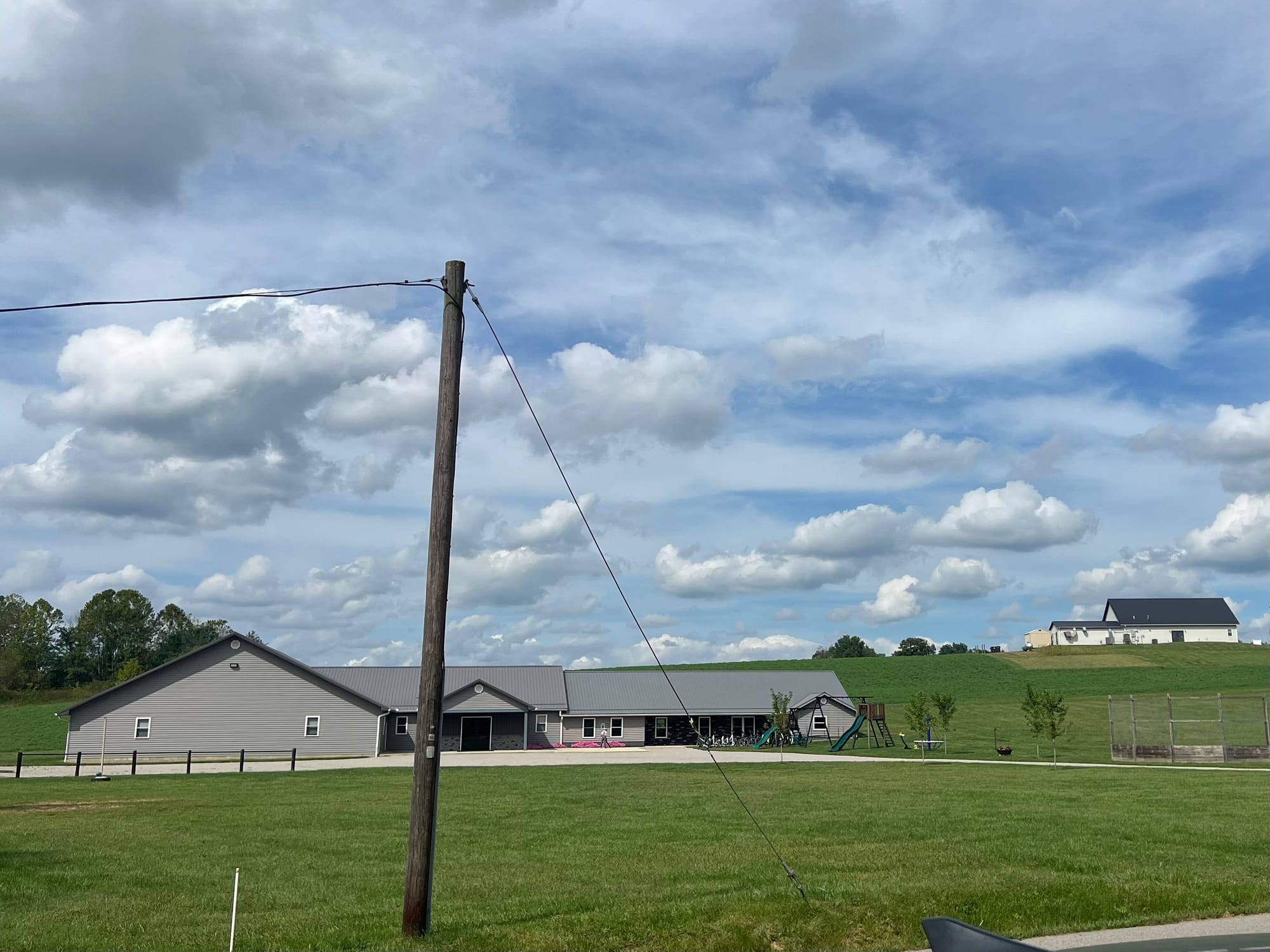
Per Miriam's advice, we traveled down the hill to the Bremen East New Order Fellowship Church, connected to the Creekside Christian school; school was supposed to get out at 3pm and it was currently 2:55pm. Walking up to the school, Anya and I observed Amish school-children cleaning and returning items to storage. One of the teachers, Ivan, allowed us to enter the school and have a conversation in their entrance foyer.
Ivan: The school this year has 21 students, grades 1-8; one teacher for 1st-4th grade, the other (Ivan), for 5th-8th grade. According to Ivan, they teach math, music, language arts, Pennsylvanian German, but absolutely no science. One classroom is split into two with a curtain.
Ivan: He typically goes to Lancaster for doctors appointments, but the last time was at least 3 years ago. He mentioned having gone to the dentist 1.5 years ago, but he "hasn't been sick", so he does not see a need to go to the doctor.
The other teacher mentioned going to Toledo to get her tonsils taken out and having been put under anesthesia there.
Sickness treatments:
Ivan: Any sicknesses he tends to treat with Vitamin C and other supplements or herbal tea for colds. If kids get sick, they just stay home or parents pick them up [teachers would call parents]. The most they would do as teachers is clean up any throw up.
Injury action:
Ivan: The evening of Christmas, a kid went to feed his horses and got kicked, breaking his arm, and ended up at the ER. Ivan did not personally help as lots of parents were around during the event.
Q: How do people usually get to hospitals?
Ivan: They would get a neighbor to drive, call 911 for an ambulance, or hire drivers. On a day-to-day basis, everyone tends to use e-bikes but some people have cars.
Q: How does the church healthcare fund work?
Ivan: They do not use insurance in their Amish community as costs are fronted by the "Brotherhood Aid Plan". He personally pays around $125/month but there are levels to the fund. The catastrophic level is for accidents and covers everything after the first $5,000; maternity is not covered.
Q: Is there anything about your healthcare you would fix?
Ivan: He mentioned wanting better, fresh food. Not canned or fast food as not having something nutritious leads to “lots of health problems”.
Technology:
Ivan: The school has electricity as well as multiple bathrooms and kitchens.
They do not connect to the internet or use telehealth. The service they have ranges from Consumer Cellular, AT&T, and Verizon. The types of phones they do use are typically a cordless hand set or a phone connect. The Amish in this community know to call 911, but some service farther down is less good
Perry County Health and Safety Day:
Ivan: The play by play of the health and safety presentation was fairly informative.
Stop 3: The Millers House
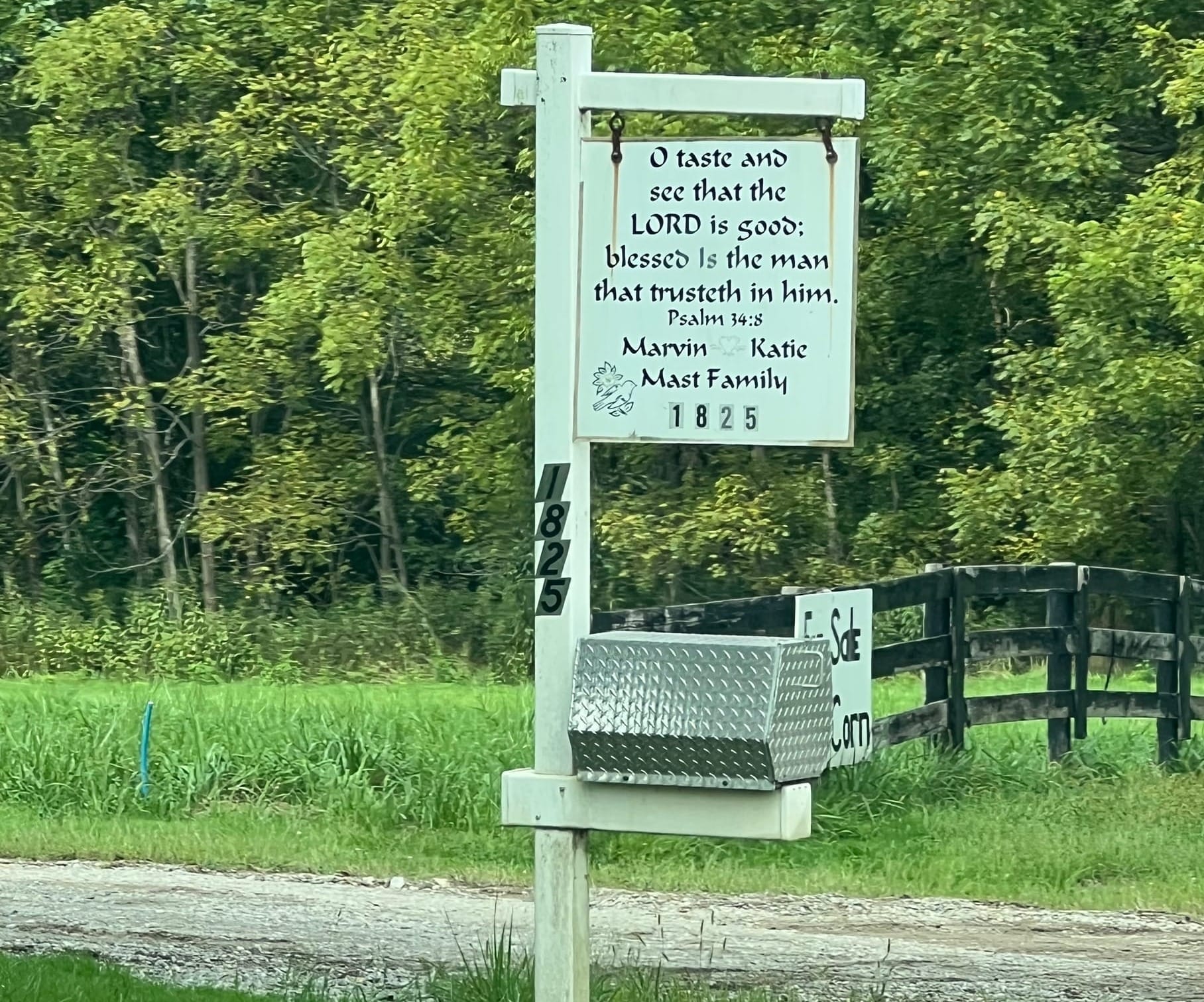
Concluding our interview of Ivan, the school teacher, he recommended we head down the street to the Millers, an older Amish couple belonging to their church. When we pulled up into their driveway, Irvin Miller let us up onto their porch to have a conversation about his perspective on healthcare. His wife Wilma, also early 60s, invited us in.
They typically go to Lancaster for doctors visits which they mentioned would be around a 20-30 minute drive. Wilma had gone to the ER for a bike accident and cut knee 8+ years ago and Irvin had gone for a cut hand 7 years ago.
There is only one church in their community, and they believe Jesus spiritually and physically saves people.
Sickness treatments:
They use vitamins and at-home remedies.
Illness experiences in their community:
Regarding cancer care, they had two personal stories: their niece died at 15 and their brother-in-law at 56. The brother-in-law had attempted to get treatment for his pancreatic cancer down in Mexico as those treatments are "more healthy" for the Amish, aligning closer to their beliefs.
They wish God could heal everyone.
Someone had planned to go to Germany for a back treatment, but couldn't because of finances. The church prayed by laying hands on him; Irvin said he got "supernaturally healed".
Children:
Their baby had open heart surgery at the Cleveland hospital and Wilma said after that moment, they “learned to appreciate doctors or nurses”. They did not do home births with Midwives, mentioning this has risen in popularity.
This experience revealed imbedded cultural perspectives around trust in healthcare.



