
Primary Research: Rumpke & Swaco
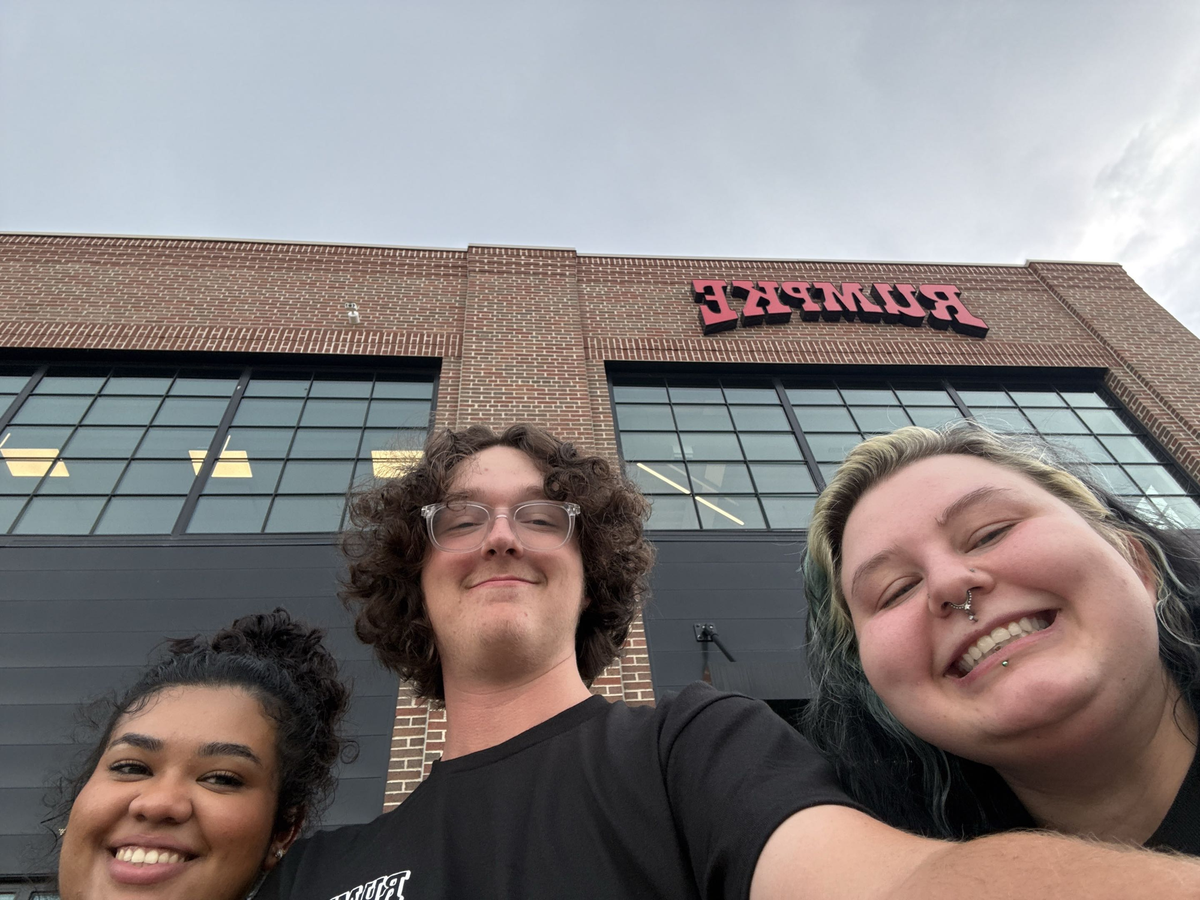
When it came to deciding where we were going to conduct our primary research, I knew I wanted to make sure I hit two very important points: I wanted to see what we were doing locally for recycling, but I also wanted to make sure I understood the inverse, and see what our local waste actually looked like. I think when researching sustainability, it can be easy to get tunnel visioned into only looking at how we recycle, but understanding the things that do actually end up in the landfill is important in diagnosing the problem areas within the topic.
Rumpke Resource and Recycling Center
We visited the Rumpke Resource and Recycling Center on 9/17, where we first sat down for an informational power point with Lauren Monnin, the Education & Community Relations Manager. She gave us a lot of good info about the experience of recycling from when it hits the recycling bin, to when it is sorted, bailed, and shipped out of their facility on its way to re-enter the material economy.
We learned about their state of the art sorting facility, that starts with a large spinning barrels, called trommels, that sort recycling by size, to where it goes on a conveyer belt to be looked over by hand for dangerous materials, and into a series of optical sensors and other sorting technology that moves recycling along at a rate of 60 tonnes per hours.
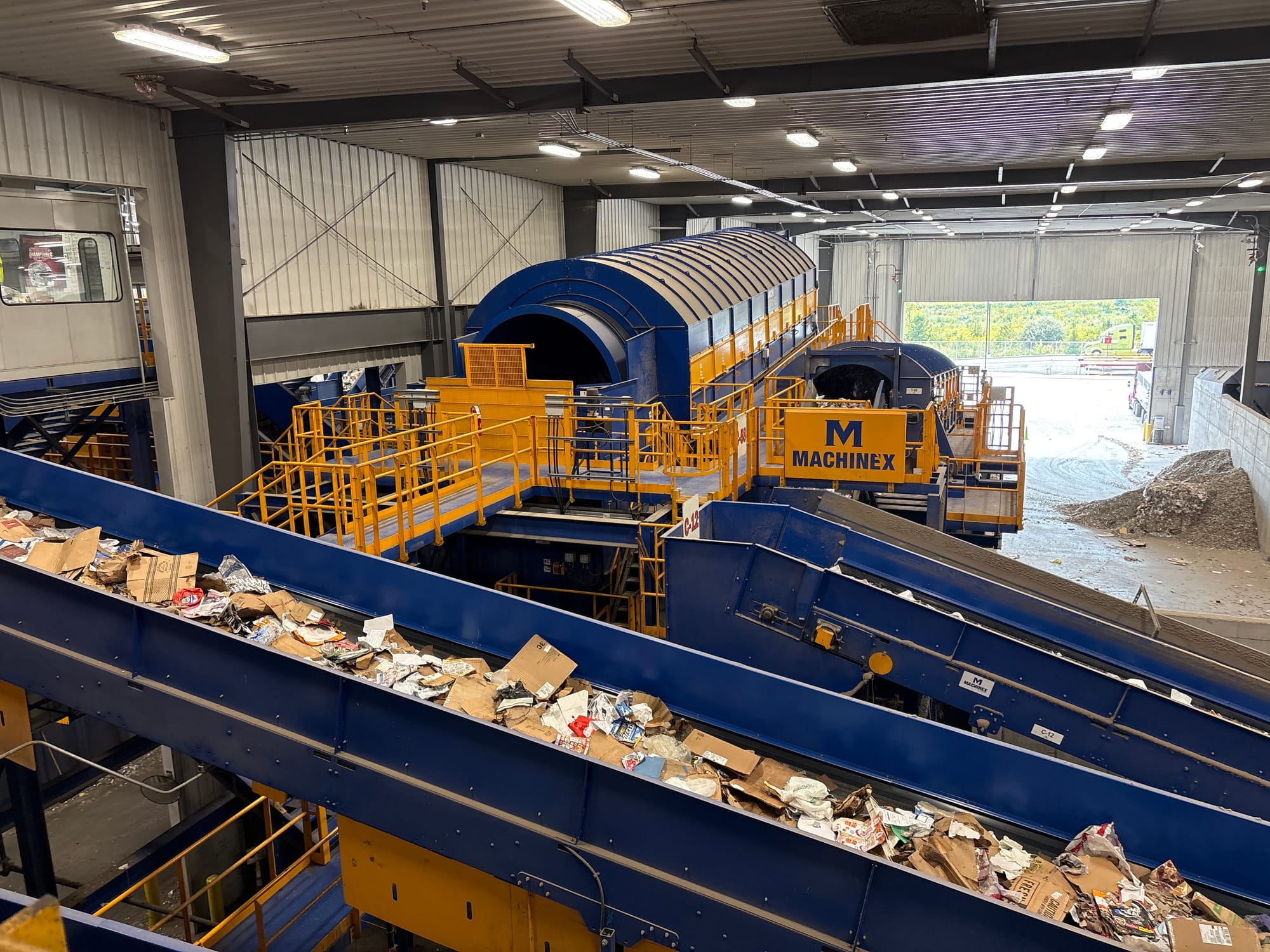
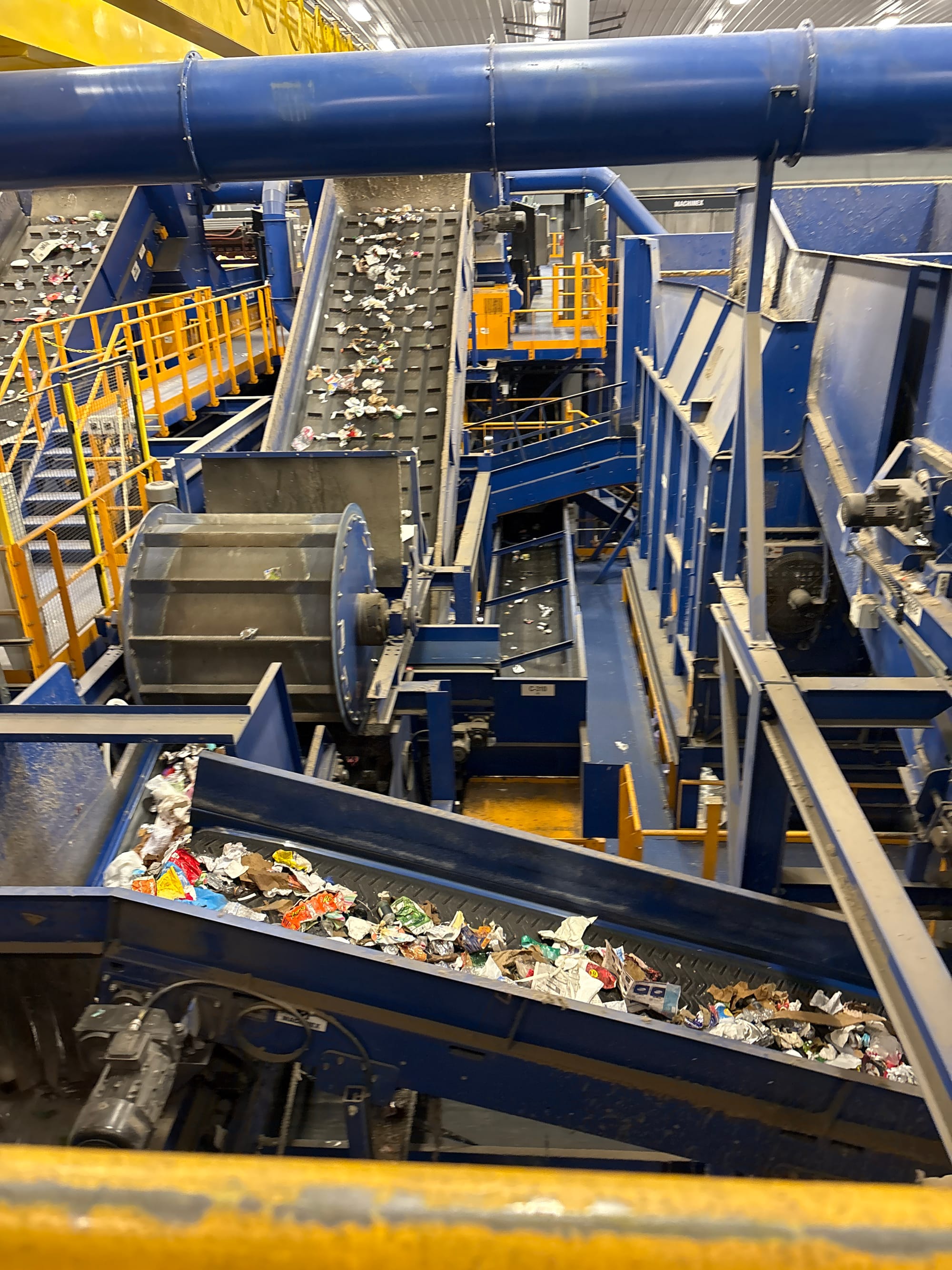
Once this all has been sorted, it is then together by specific type of material, and then are bailed and stored, to be purchased by a new “end user” which will make the materials into new products.
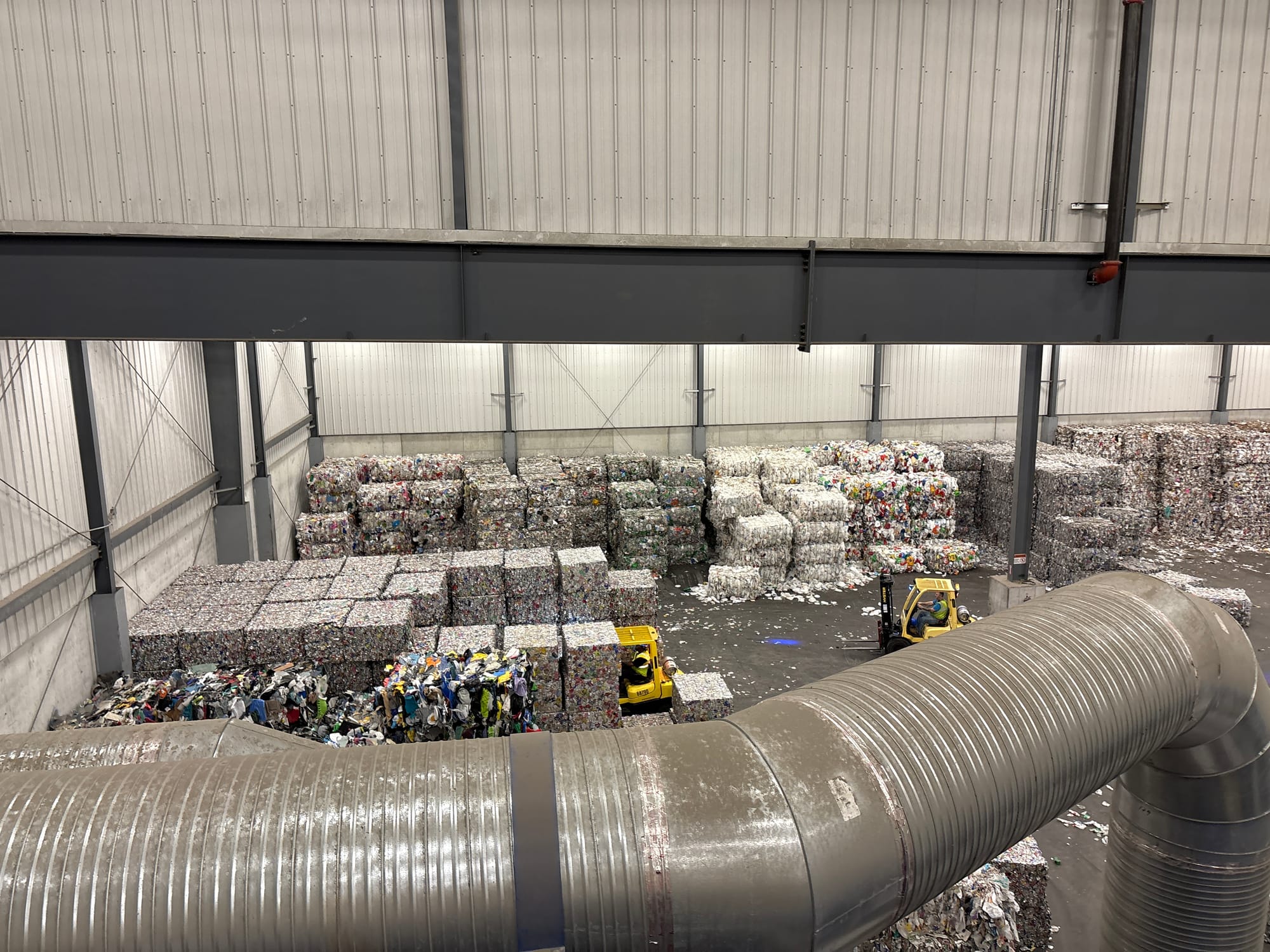
Our local Rumpke Recycling Facility is state of the art, and with such tremendous opportunity for local recycling, we as designers are positioned in such an advantageous position to develop circular initiatives in a local scope.
SWACO
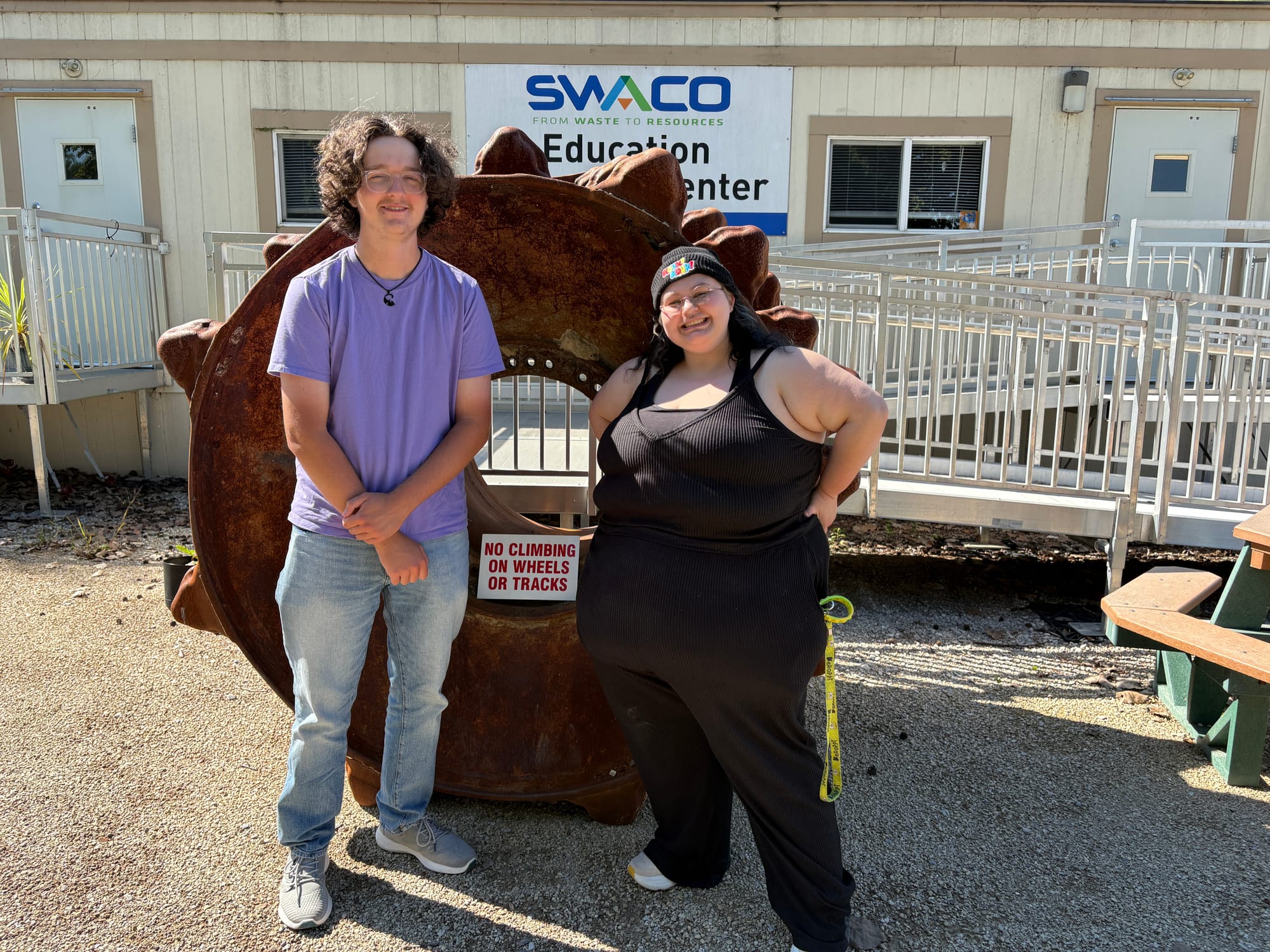
While most people associate the SWACO name with the Sanitary landfills they monitor, they also have their own Educational Center, where we were able to learn about the kinds of items that most often went into the landfill, but we were also about to learn about the work they do to divert as much as they can before it ends up in their landfills.
We were able to have conversations with Kim Chapman, their educational specialist, and Sean Collins, the Assistant Business Programs Manager, about their efforts to educate about diverting waste. Kim shared with us statistics about what kind of things come to the landfills, their different diversion programs, and what strategies helped them improve their waste initiatives. Sean, on the business side of things, talked with us about the kind of effort it took to redirect waste from local businesses. Businesses would contact him regarding a certain waste they might have, and from there, Sean is dedicated to finding a place that can go that isn’t the landfill. And that is no easy task. Sean has been in his position for 6 years, and has grown a circle of contacts that recycle different items, but the task is still incredibly difficult. “You can’t google these guys.”, he remarked to us when describing this process. He made it clear that there was no sort of database or infrastructure that supported finding these waste diversion efforts.
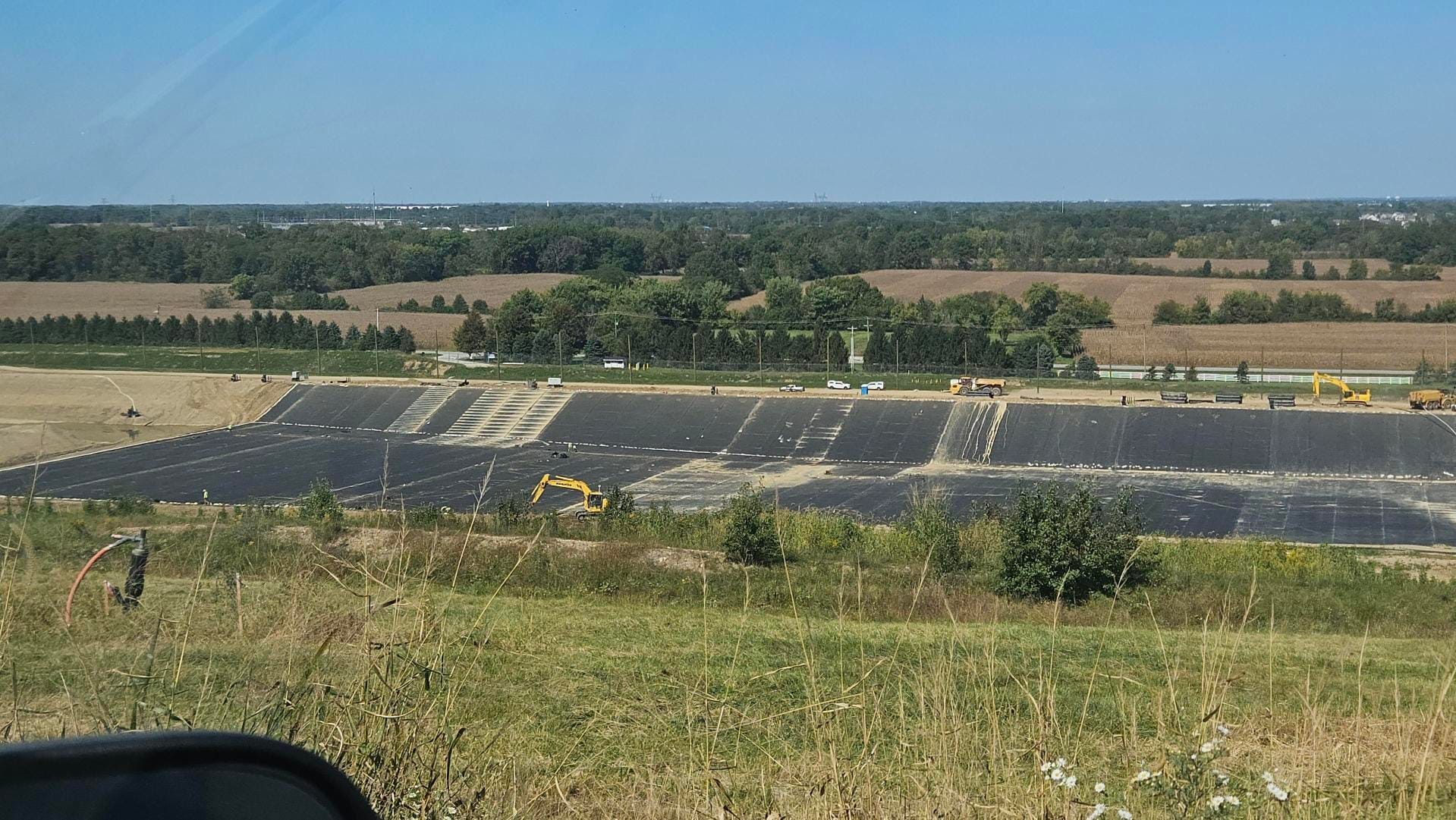
After our informational talk, Kim took us in a van to the top of the hill, telling us about how the landfill locations are created, managed, and eventually covered. Some of the most surprising things she told us was about how they managed day-to-day operations. Every single night before the landfill closes, they must cover their “working area” with a layer of dirt, and re-excavate it each morning. While we sat there, watching the giant bulldozers with spikey wheels drive over the landfill, I couldn’t help but think about the disparity between this common idea that trash just "disappears" the moment you throw it away, and how much work truly goes into managing all of that trash.
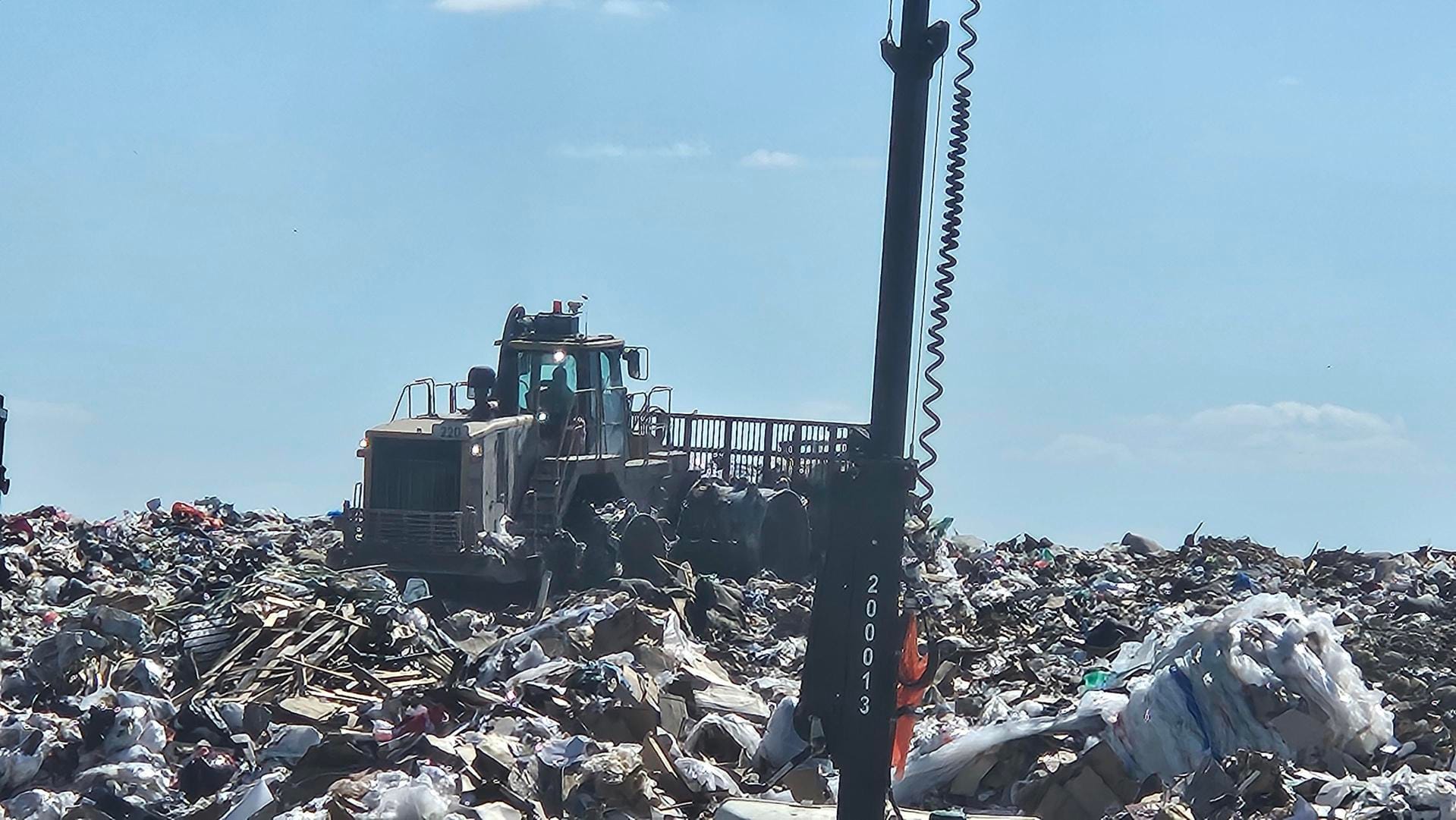
In visiting the Swaco Sanitary Landfill location, one thing became exponentially clear: The amount of waste that we produce, and the associated labor with dealing with waste, cannot continue like this, and we must be able to develop ways that take more of this material and reintroduce it into our material economies.



