
Reducing plastic waste in cosmetics through tech innovation: Yan An Tang
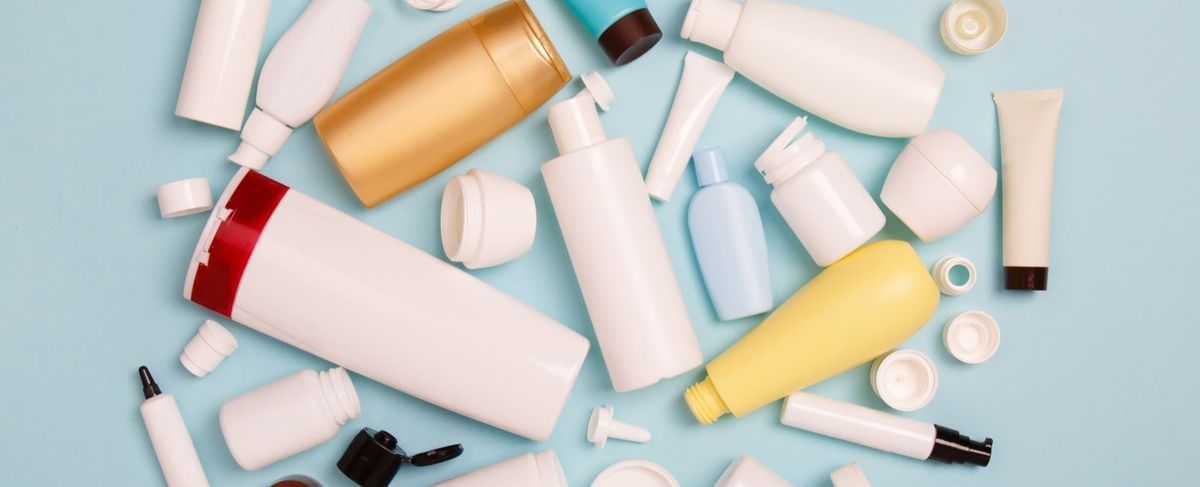
Chinese Cosmetic Company Yan An Tang saw a need for innovation in the way that cosmetic companies handled their waste. Cosmetic packaging was often multiple types of plastic, with dyes, contaminants, and other complications that made recycling them difficult.
What happens to that packaging when the product is finished can be an afterthought, resulting in it typically ending up as waste.
Recycling cosmetic packaging remains complex as the materials used are often compound plastics and are hard to process due to wide variations in shape, size, and colour (including the use of dyes and pigments that can prove challenging for sorting and recycling infrastructure). Added to this, used packaging often retains a lot of residue from the cosmetic product which requires more intensive cleaning and processing before it can be recycled.
In order to address this issue, Yan An Tang took it into their own hands. They created a circular economy that not only helped reduce the amount of plastic waste that would end up in landfills, but found a way to incentivize companies to make their products more recyclable.
In 2021, YAT launched its platform, ‘Diary Recycle’, which works through a mini-app embedded within WeChat. In 2023, the skincare brand ran a pilot with 448 Watsons stores — one of Asia’s biggest health and beauty retailers — to test in-store recycling models.
By incorporating SaaS (Software as a Service) into the mini-app, YAT has built a sharing recycling infrastructure that makes the process of returning used packaging more convenient for users. By increasing collection volumes in this way, YAT reduces operational costs for all stakeholders involved, and negates the need for individual beauty brands to invest in creating their own mini-apps to enable convenient customer recycling. This also allows YAT’s recycling service to be integrated into a cosmetic brand’s user functionality, providing data regarding users’ recycling behaviour for partnering companies.
Review
In regards to circularity, Yan An Tang's model is clearly innovative. Identifying an issue and reasonably resolving it is a design feat in and of itself, but creating a truly circular model where all stakeholders in any given market benefit from this economy is what makes it truly successful. On the consumer side, recycling efforts are often at the expense of the consumer’s resources to clean, sort, and identify how they can recycle their products. Diary Recycle innovated that effort by utilizing WeChat, an already popular social media, to make their service more accessible. On the manufacturer's side, most recycling models end up falling short of their ideals because of a lack of economic motivation to choose recycling over always buying new materials, but Diary Recycle innovates by not only handling the recycling process themselves, selling PCR back to manufacturers for use in new products, but also provide the additional benefit of data, such as the recyclers purchase habits such as brand name, product name, category, packaging material, etc. While I have my own worries about how much of our data is being collected, stored and sold, I think Diary Recycle as an overall service has created a very successful circular economy.
Reference
Ellen MacArthur Foundation. (2024). Reducing plastic waste in cosmetics through tech innovation: Yan An Tang. https://www.ellenmacarthurfoundation.org/circular-examples/reducing-plastic-waste-in-cosmetics-through-tech-innovation-yan-an-tang



