
Reducing Secondary Waste
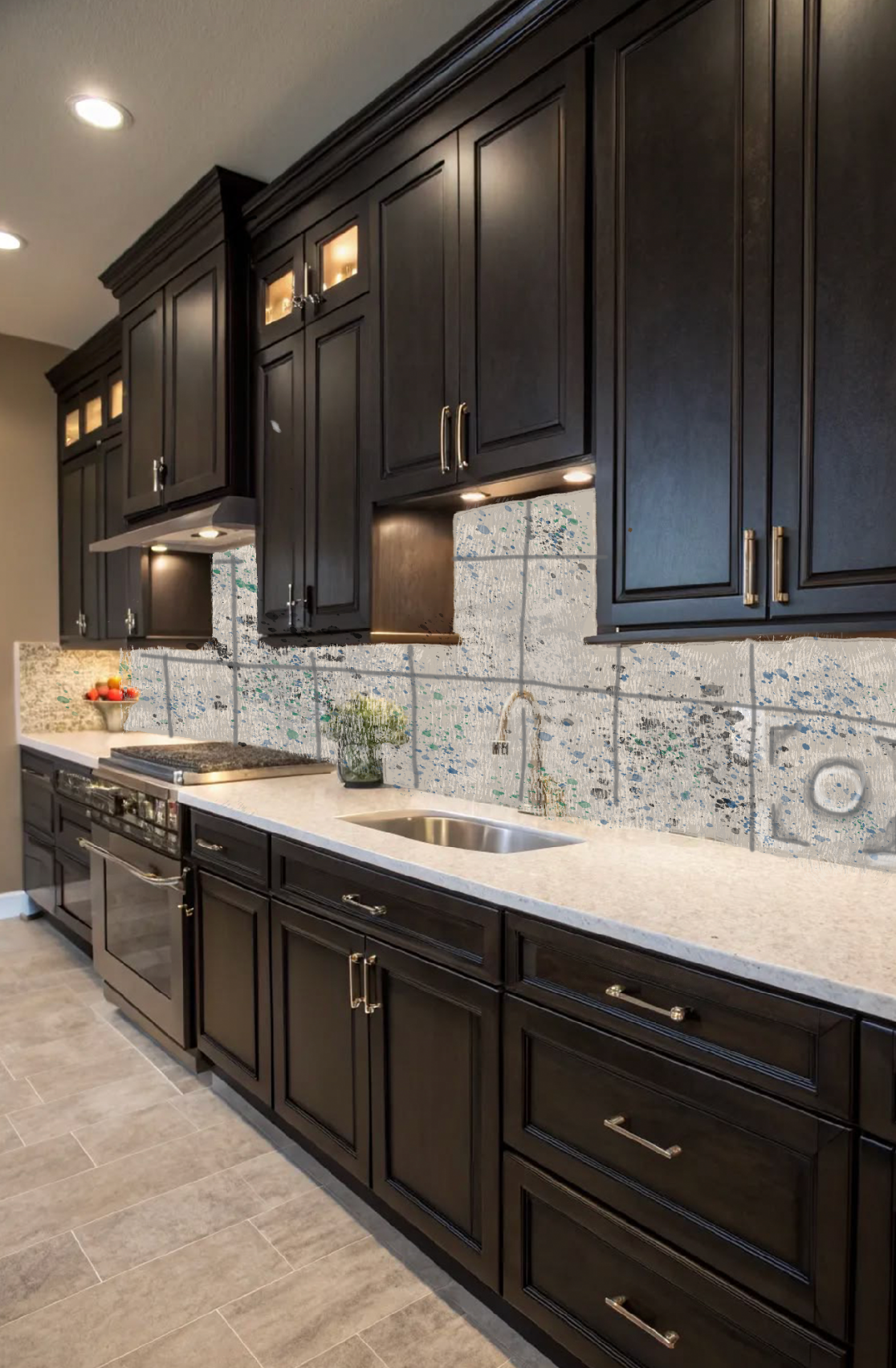
This concept explores a similar strategy used by Rohi, which takes trash found in the Honduran landfill and turns it into new objects. In a similar way, this idea takes the valueless plastic shavings created from CNC machining Marble Plastics’ sheets and gives them a new purpose. Instead of remelting the shavings into another flat slab, the plastic could be heated and compressed between textured metal plates to create solid, textured tiles. The metal plates would create the surface texture during compression, eliminating the need to CNC machine the finished surface. Different plate patterns could create different textures, such as a stucco-like finish that makes the recycled plastic feel more like a decorative architectural material.
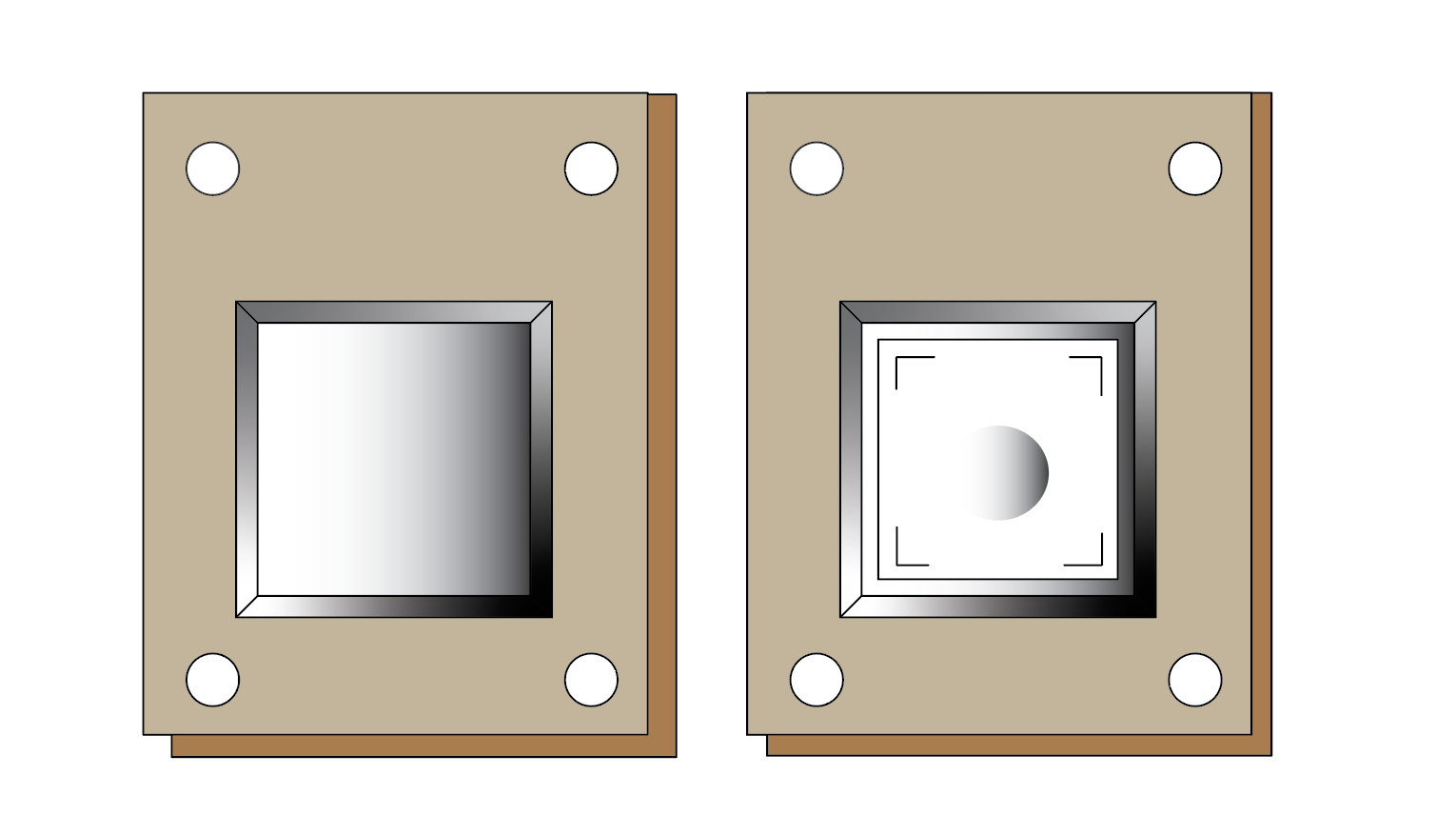
I'm not well versed into injection molding but I would assume it would look something like this.
The tiles could then be arranged into larger surfaces such as backsplashes, accent walls, or other decorative applications. However, producing many small tiles could require more processing and assembly than creating one large slab. Marble Plastics’ material is also relatively expensive, making large-scale applications less practical. Textured surfaces could also collect dirt, water, or food particles, creating cleaning concerns. The process would need further testing to determine whether the shavings can consistently fuse, hold detailed textures, and remain durable. These limitations suggest the concept may work better for smaller decorative applications.
Reference
Proyecto Rohi. (2026, August 11). Four Years of Rohi: Look What You Made Possible https://rohiproject.org/four-years-of-rohi-look-what-you-have-made-possible/



