
Reorienting Polymers
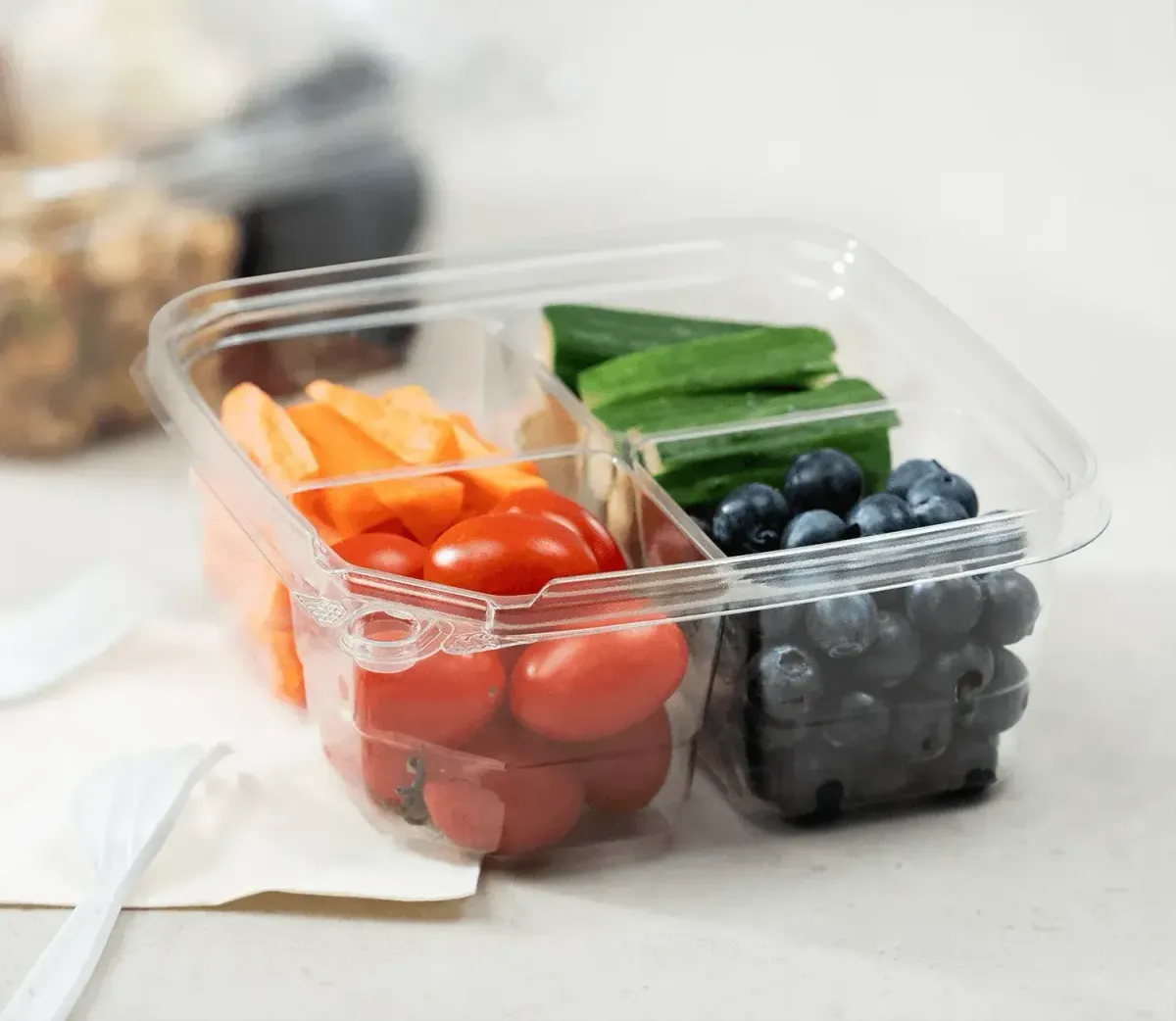
What if the key to making stronger, more sustainable plastics isn't changing their ingredients, but rearranging their molecules? (EurekAlert!, 2026).
Researchers at Virginia Tech have undergone experimentation with creating new molecular structures for degradable plastics while maintaining the properties that plastic should have.
The researchers joined the ends of polymer chains to form continuous rings. They also controlled the sequence of the molecules within each ring, gradually changing the composition from one type of building block to another to create what researchers call a “gradient” polymer (EurekAlert!, 2026).
The "gradient" polymer is tough, flexible, and able to block oxygen, which gives it a promising future as a food packaging material.
Several of these cyclic polymers showed oxygen-barrier properties comparable to polylactic acid, or PLA, a widely studied biodegradable plastic (EurekAlert!, 2026).
PLA blocks oxygen well, an important property for food packaging because oxygen exposure can degrade food. But its brittleness limits broader use in packaging (EurekAlert!, 2026).
"Our work suggests that how the molecules are arranged, whether as lines or circles, can be just as important. That opens up an entirely new design space for creating packaging that protects food, performs well, and is easier to recycle or recover at the end of its life" (EurekAlert!, 2026).
For Tong, the possibility of recovering and reusing those building blocks is a key goal. "The material itself is degradable,” he said. “But for more economic applications, we hope not only to degrade it, but also to recycle it and use the degraded material to make additional plastics" (EurekAlert!, 2026).
Reorienting polymers in plastic to essentially "program" them for recyclability, while "perfecting" the various traits of a plastic, is a very unique idea. In terms of scientific advancement, if this process were to be streamlined, this could be the plastic of the future. In terms of public perception about recycling, this plastic could allow for greater civic engagement. Marketing plastic as being "made for recycling" could nudge consumers to take care in recycling this material, knowing that it was crafted for such.
References
New research rethinks plastic from the inside out. (2026, September 8). EurekAlert!
https://www.eurekalert.org/news-releases/1142809



