
Rethinking Pathway Illumination
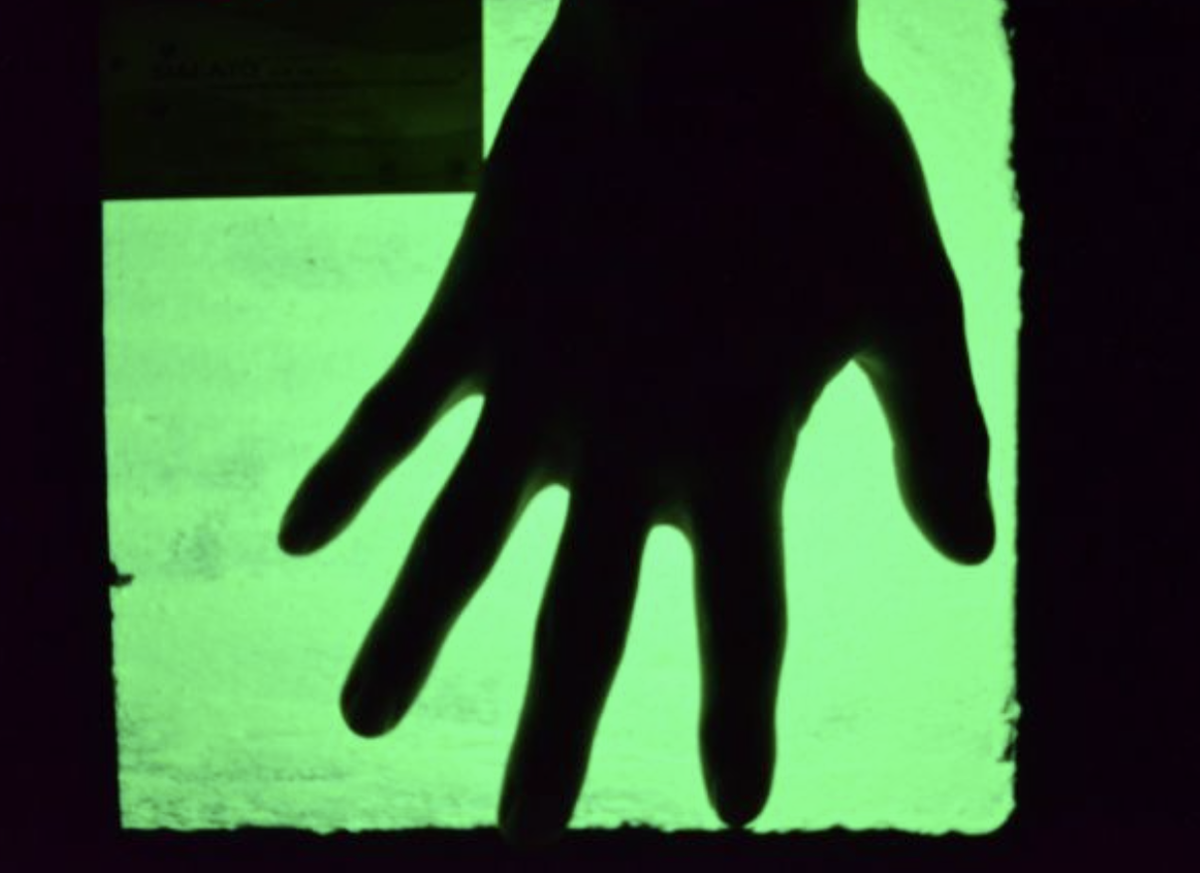
The article “Light-Emitting Cement” by David O’Neill explores an alternative approach to outdoor lighting by using construction materials that can produce light without relying on electricity. Light-emitting cement presents a different way to think about how outdoor spaces can be made visible at night. Instead of depending completely on electrical lights, this material is designed to collect energy during the day and release it after dark. Lighting is such a common part of roads, sidewalks, trails, and other public spaces that it can be easy to overlook how much energy and infrastructure is required to keep these areas illuminated.
Recent research found that one streetlight alone can cost up to $4,000 dollars to install and they have a running cost of around $200 per year. With over fifty million streetlights in the U.S. alone, the cost of this network is astronomical. So, when we consider all the facts, we are left with the need to think outside the box and generate ideas that go beyond the status quo.
Typically, cement goes through a process when mixed with water that creates a gel like substance. However, an unwanted by-product of this are crystal flakes. For Dr. Rubio, the elimination of these flakes led to breakthrough. “It starts to become a gel, similar to the one used for hair styling, but much stronger and resistant; at the same time, crystal flakes are formed which make it opaque—these are unwanted sub-products in hardened cement.”
By modifying the micro-structure of the material, the crystals were removed which enabled the now completely gel substance to absorb solar energy and re-transmit it as light. After a day in the sun, this cement can emit light for up to 12 hours.
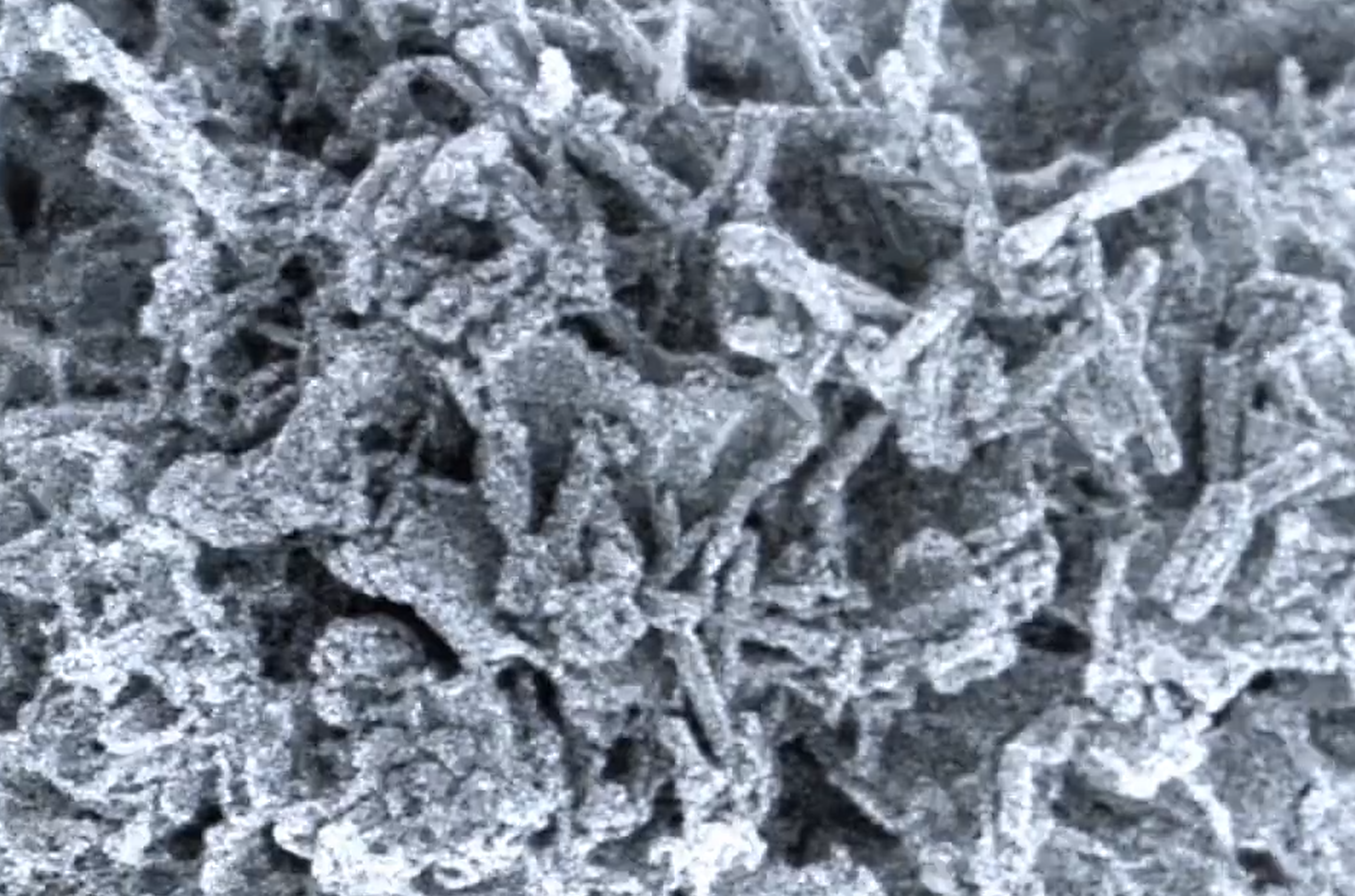

This material was developed by Dr. Jose Carlos Rubio at Michoacan University of Saint Nicholas of Hidalgo in Mexico. His research focused on changing the internal structure of cement so that it could interact with sunlight. Ordinary cement does not allow light to travel through it effectively because of the structures that develop as the material hardens. Rubio’s work involved altering this process so the finished material could absorb energy and later release it as visible light. The cement incorporates materials such as silica, sand, industrial waste, alkali, and water. The article describes a potential lifespan of approximately a century, meaning the material could remain in place for a long period before needing to be replaced.
Rather than installing bright fixtures throughout a park, a material like this could potentially be incorporated into specific locations where visitors need help seeing, such as pathways, steps, trail boundaries, or directional markers. This could create a more targeted approach to nighttime visibility instead of illuminating an entire environment.
References
Grammarly. (n.d.). https://www.grammarly.com/
O’Neill, D. (2024, January 31). Light-Emitting Cement. Apeiron Construction. https://apeiron-construction.com/light-emitting-cement/
Porcayo, O. (2017, November 8). ¿Te imaginas transitar por una carretera fosforescente, o no necesitar lámparas en tu casa para iluminar? Un mexicano lo ha hecho posible. Barrio. https://esbarrio.com/news/jose-carlos-rubio-avalos-cemento-luminoso/



