
Rural EMS high-acuity calls average 97 minutes, study shows
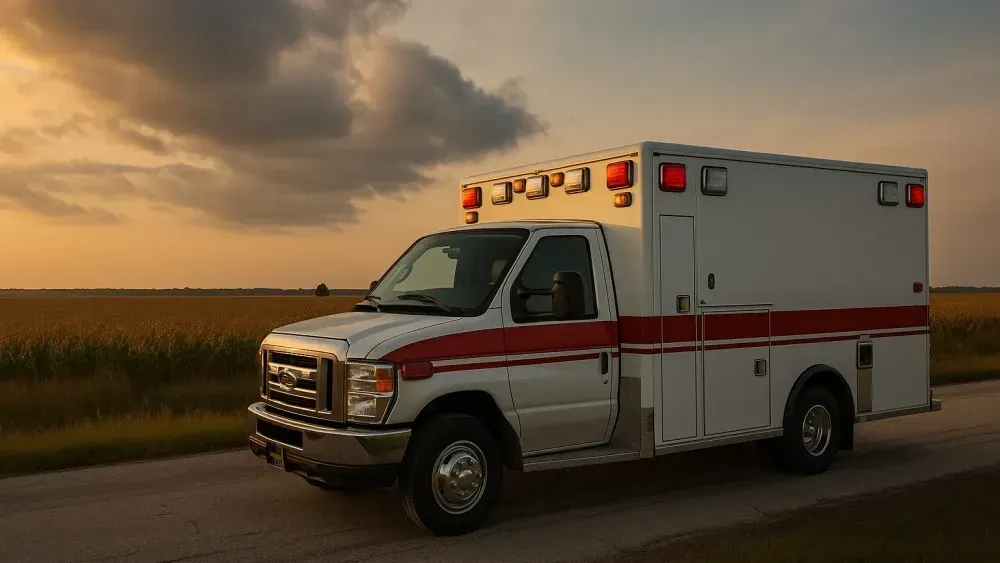
A study looking into almost 70 million calls, research found that Emergency Medical Services in rural areas takes significantly longer to get a patient help.
Response times for emergency medical services in rural areas can take nearly 20 minutes longer than the national average — and patients in these regions are more likely to experience severe medical emergencies, according to a new analysis of national EMS data by the American College of Surgeons (Roebuck, 2025).
The study looked into how long each EMS call took. It found the average call in rural areas took 97.1 minutes, whereas the national average is 69 minutes. There are many factors found into why these statistics are this way.
Nearly 40% of rural EMS calls involved patients with high-acuity injuries, compared with 26.4% nationally. The study also found rural patients were four times more likely to be transported to lower-level trauma centers and five times more likely to go to critical access hospitals — small rural hospitals that provide essential care but are not equipped for complex trauma cases (Roebuck, 2025).
Several factors contribute to the higher rate of severe injuries seen in rural settings, Turcinovic said. Limited access to primary and preventive care can cause medical conditions to worsen before patients seek help. Rural communities also see higher injury rates due to work-related accidents, longer commutes, and higher driving speeds (Roebuck, 2025).
The research team is continuously working to study ways to improve EMS resources and trauma care access. This study brings to light the reality of the poor access and care that rural communities have.
This research made me think more about how distance and limited resources can affect rural healthcare during an emergency. Factors such as limited access to preventive care, longer travel distances, and fewer specialized trauma facilities can create multiple barriers at once. It also made me realize that improving rural healthcare needs to address the time before a patient reaches professional care, not just the care they receive at a hospital. This article reinforced the importance of finding ways to better support rural communities during medical emergencies and improve access to resources while people are waiting for professional help.
Reference
Roebuck, S. (2025, October 10). Rural EMS high-acuity calls average 97 minutes, study shows. EMS1. EMS1 article



