
Screen Time and Family Connection
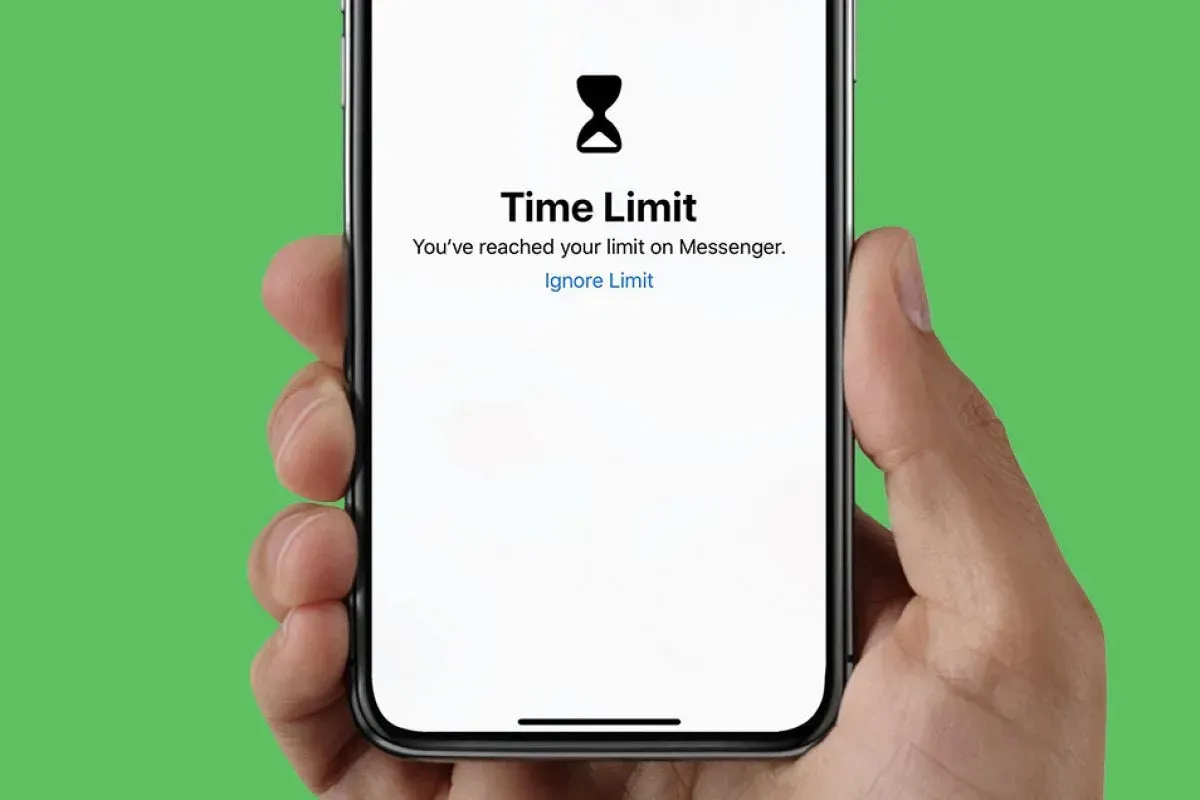
Screens have become a big part of everyday life, whether it is through phones, tablets, TVs, or computers. People use them for entertainment, communication, work, and many other things throughout the day. Even when people are physically spending time together, screens can sometimes take their attention away from the people around them.
It can affect different types of relationships, including relationships between parents and children, couples, and friends. Small things like checking a phone during a conversation or being focused on a screen while someone else is talking can change how people interact with each other. Being in the same room does not always mean people are actually connecting or giving each other their full attention (Heart & Mind Counseling, n.d.).
Why Being Together Isn’t the Same as Being Present (Heart & Mind Counseling, n.d.).
Walk into almost any restaurant, living room, or waiting area today and you’ll see the same scene: people physically together, but mentally elsewhere.
Couples scroll through phones across the table from one another. Friends gather, yet conversations pause while notifications are checked. Parents sit beside
their children, believing they are spending quality time—while their attention is absorbed by screens (Heart & Mind Counseling, n.d.).
While technology has undeniably improved convenience and connection across distance, research increasingly shows that
excessive and poorly bounded screen time is quietly eroding our closest relationships. Being in the same space is no longer synonymous with being emotionally present (Heart & Mind Counseling, n.d.).
Screen time can significantly impact friendships by interrupting shared attention, reducing conversational depth, and limiting emotional presence. Even brief phone use during social interactions can weaken connection and make relationships feel less fulfilling (Heart & Mind Counseling, n.d.).
Screens are not inherently harmful—but unchecked screen time is quietly reshaping how we relate to one another. When presence becomes fragmented, relationships suffer,
attachment weakens, and emotional regulation—especially in children—is compromised (Heart & Mind Counseling, n.d.).
True connection requires more than physical proximity. It requires attention, intention, and availability (Heart & Mind Counseling, n.d.).
By putting devices down—especially when we are with the people who matter most—we create space for relationships to thrive, conversations to deepen, and nervous systems to settle (Heart & Mind Counseling, n.d.).
Being together is easy (Heart & Mind Counseling, n.d.).
Being present is a choice (Heart & Mind Counseling, n.d.).
Reflection
What stood out to me about this article is the idea that just because people are physically together does not mean they are actually spending time together. This happens a lot now, especially when everyone is on their own phone or screen. You can be sitting right next to someone but still be completely focused on something else.
I never thought about it this deep so it's interesting how screen use can interrupt small moments like conversations, eye contact, and giving someone your full attention. I already knew that too much screen time could affect relationships, but this article made me think more about how even small distractions from our phones can add up over time. I also agree that the goal should not be completely removing technology, but learning how to use it in a healthier and more intentional way.
Reference
Screen Time and relationships | parents, couples, friends. (n.d.). https://heartandmindcounseling.com/screen-time-impact-on-relationships/
Grammarly. (n.d.). https://app.grammarly.com/



