
Seeing Around Corners: Rethinking Headlight Design
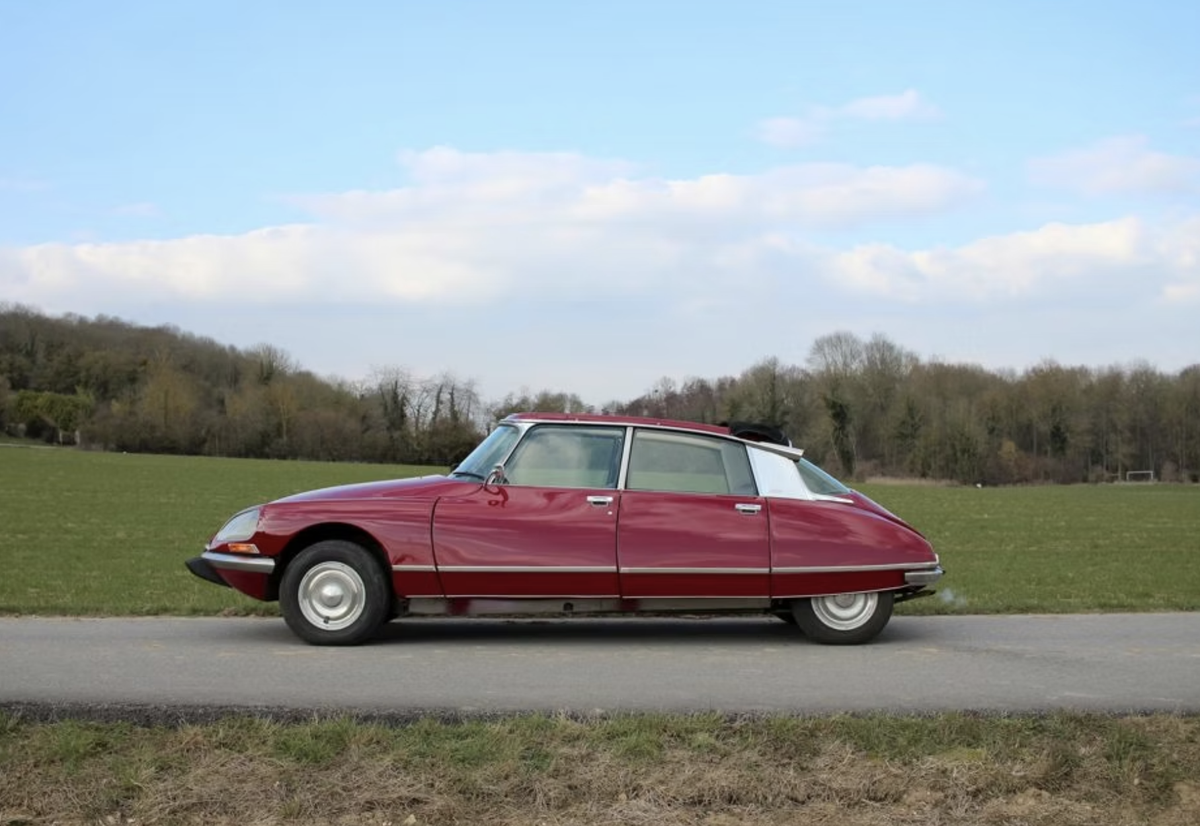
The blog "[Citroën innovations] Citroën DS: The secret of the directional headlights from 1967" by Jeremy talks about how the Citroen DS is a strong example of how innovative design can change the way people think about an everyday product. The DS was first Introduced in the 1950, one feature that stands out is its headlight system. The purpose of the DS design was to improve driver's ability to see while turning. As the design was being developed the headlights could swivel in the direction the car was traveling. Instead of having the headlights remain fixed in one position like you see now with modern cars, the lighting could follow the movement of the vehicle. This created a different relationship between the driver, the car, and the surrounding environment.
in 1967, while the automotive industry relied on static lighting, Citroën introduced swiveling headlights, giving the DS the unique ability to illuminate areas where its competitors remained in the dark.
With this restyling, Citroën introduced a directional headlight system.... By allowing the light beams to follow the wheels' path, Citroën provided drivers with optimal visibility in curves, further cementing its status as a visionary manufacturer and the mythical character of the DS.
The device relies on the lateral movements of the steering rack. A linkage system consisting of levers and rods, equipped with return springs, transmits the steering angle to the two inner spotlights (the 162 mm iodine lamps). The genius lies in the asymmetrical movement: the headlight on the inside of the turn pivots more than the outer one. When the wheels are at full lock, the inner headlight can reach an angle of nearly 80°.
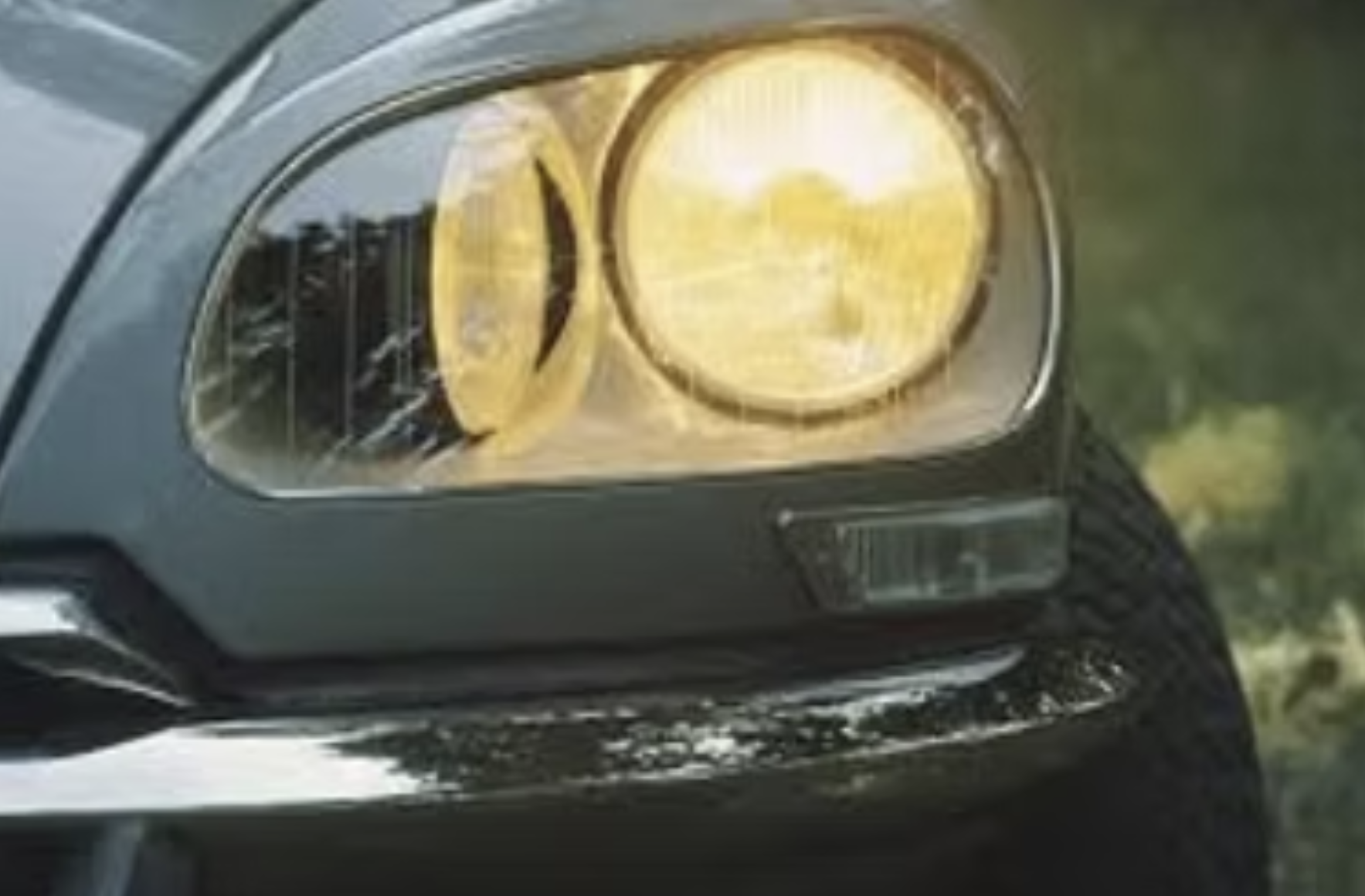
A traditional headlight simply provides illumination in front of the vehicle. The company approached the problem differently by considering what the driver actually needs when navigating a road. When you are making a turn our U-turn, the driver has to turn and look in a different direction, looking to the side before your car is positioned in that angle. A fixed headlight can leave parts of the road ahead less visible during the turn at night. This makes our field of view obstructed. With Citroens design by allowing the headlights to move with the vehicle it is responding to the driver's actions and the changing environment/movement.
This design allows for anticipating the trajectory. By eliminating the response delay caused by tire elasticity, the headlights illuminate the inside of the curve before the vehicle even begins to turn. In the "high beam" position, all four headlights work together, ensuring perfect lighting of the landscape and eliminating the "black hole" effect at the exit of a curve. The gain in preventative safety was estimated at the time to be between 20% and 30% compared to traditional lighting.
While other manufacturers struggled to provide satisfactory lighting in a straight line, the DS could "see around corners." This ability to anticipate danger and offer unmatched night driving comfort transformed road conditions.
The vehicle included other innovations such as adjustable suspension, hydraulic steering, and hydraulic controls. The company was trying to find opportunities to improve how a vehicle worked in real situations. When you look at how Citroen competed with other car companies, they weren't trying to make the car look expensive, faster, etc. they were focused on things that their fellow competitors don't have and improve the driving experience for everyday users. Innovation does not always require completely reinventing an entire product. Sometimes, it can come from identifying a specific problem and creating a new way to solve it. Citroen shows how observing user needs and challenging conventional solutions can create features that become influential.
References
Jérémy. (2026, July 28). [Citroën Innovations] citroën DS: The secret of the directional headlights from 1967. Passionnément Citroën. https://en.passionnement-citroen.com/post/citroen-innovations-citroen-ds-the-secret-of-the-directional-headlights-from-1967



