
Site Visit: SWACO Education Center and Landfill Tour
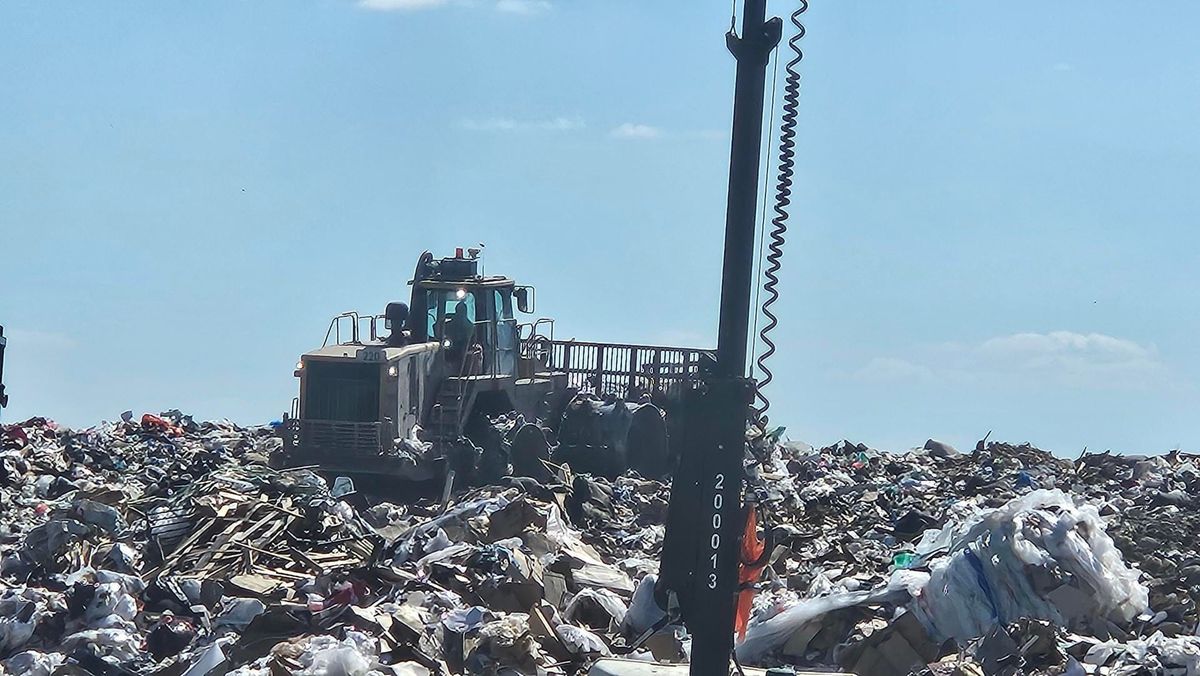
As additional primary research during this project, members of the Local Loops group, Annie Hughes and I, visited the Solid Waste Authority of Central Ohio for an educational tour of the landfill and the technology that goes into it.
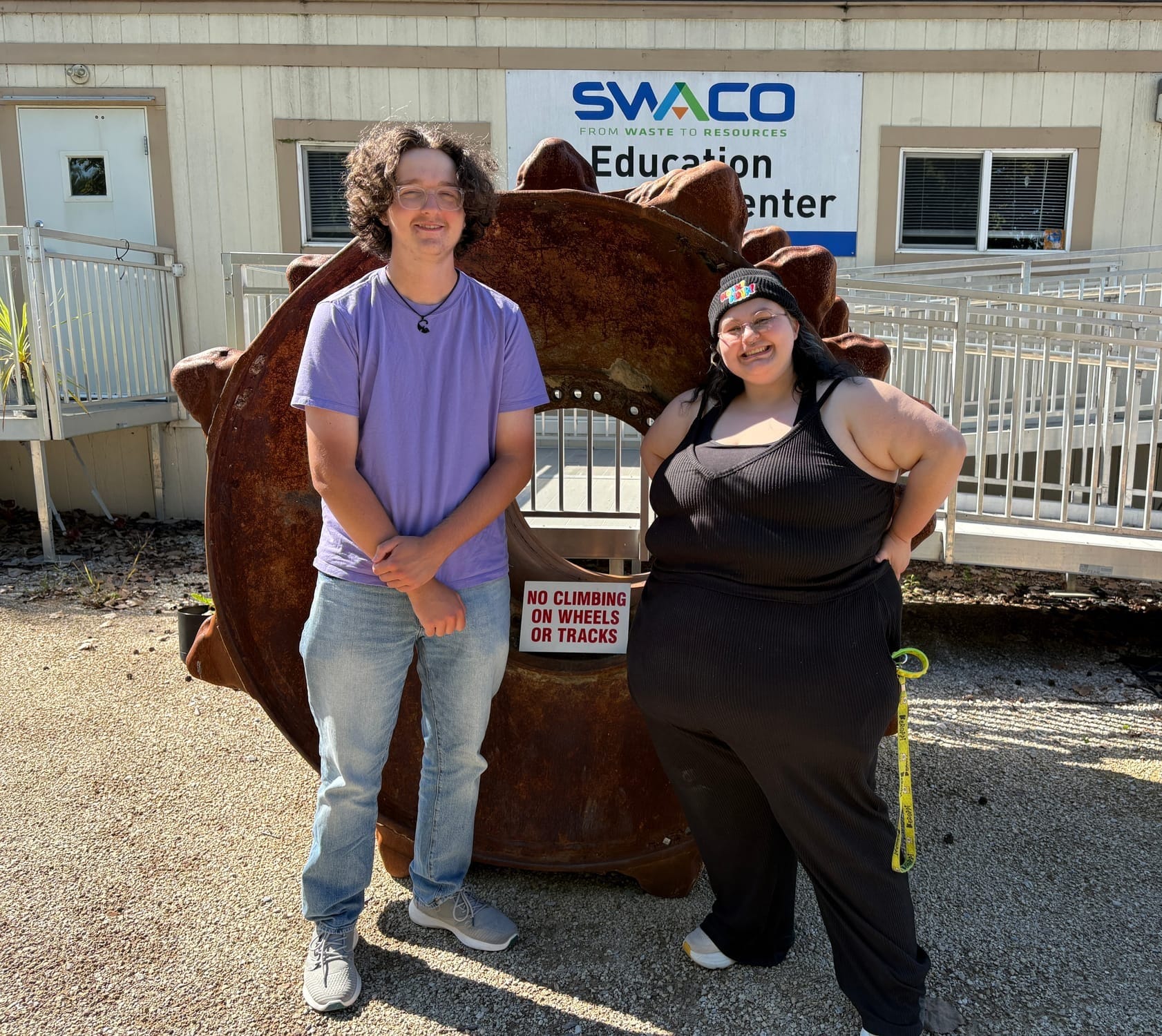
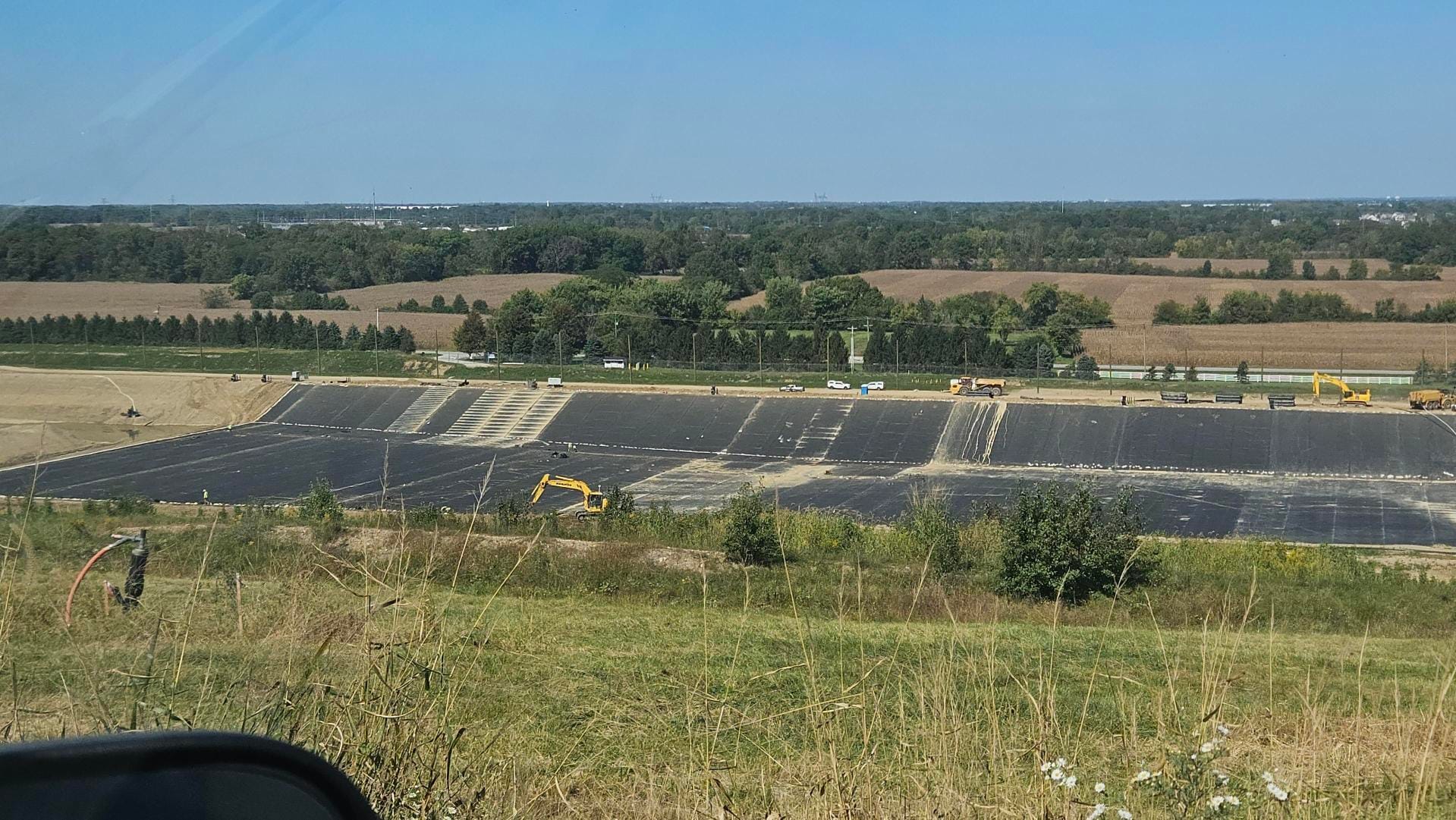
There, we met with Kim Chapman, Education Specialist, and Sean Collins, Business Program Administrator. Both gave very informative presentations about the history of SWACO, the practices that are in place to consider recycling materials, the impact of landfills on the environment, and the business connections that they have.
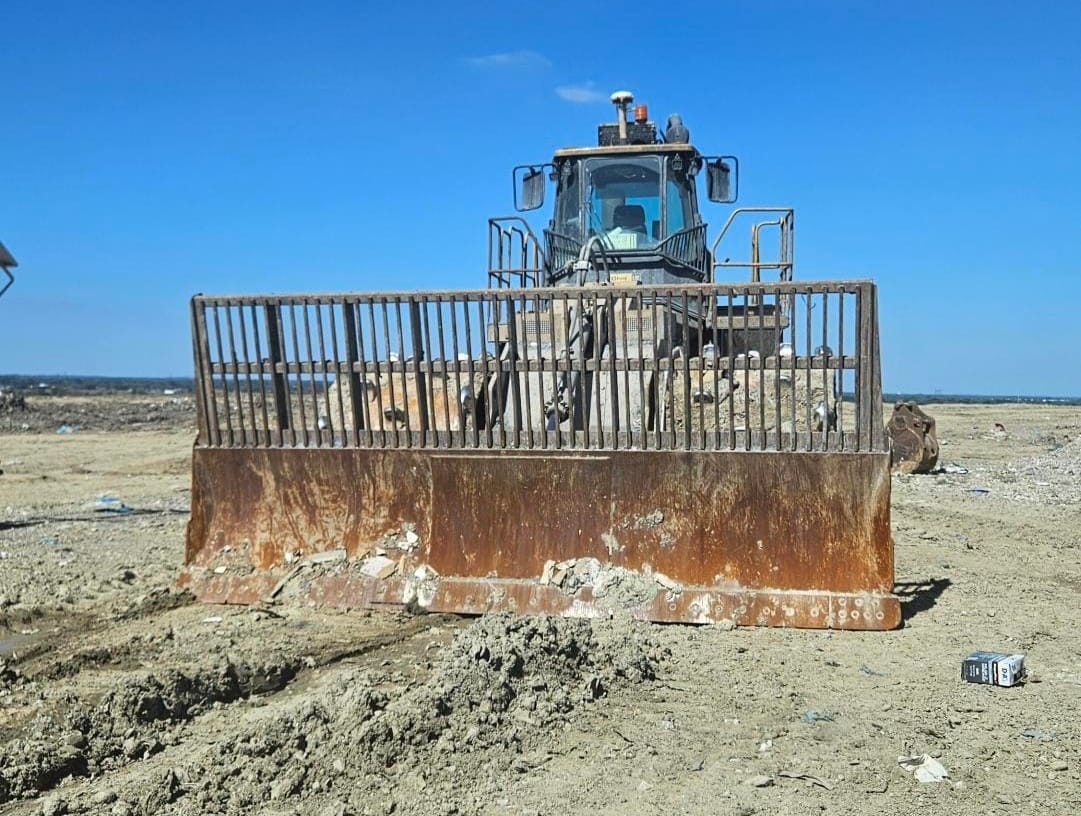
Some statistics that were identified during these informational presentations that were pertinent to our research were:
- 100% of material recycled in the United States stays domestic
- 80% of Ohio-based material stays in Ohio
- 76% of daily landfill waste could be reused in one way or another
An interesting point that was brought up was the availability of information concerning recycling programs. Sean Collins made an interesting point that, off the top of his head, he was able to name ~30 companies in Central Ohio that utilize the recycled material that recycling resource centers, like Rumpke, are outputting and selling. However, many of these connections he has created are due to his post as a business administrator.
A lot of these places you can’t Google
Collins also says that some of these businesses are, frankly, a bit boring and don’t draw attention as places utilizing recycled material in “fun” ways.
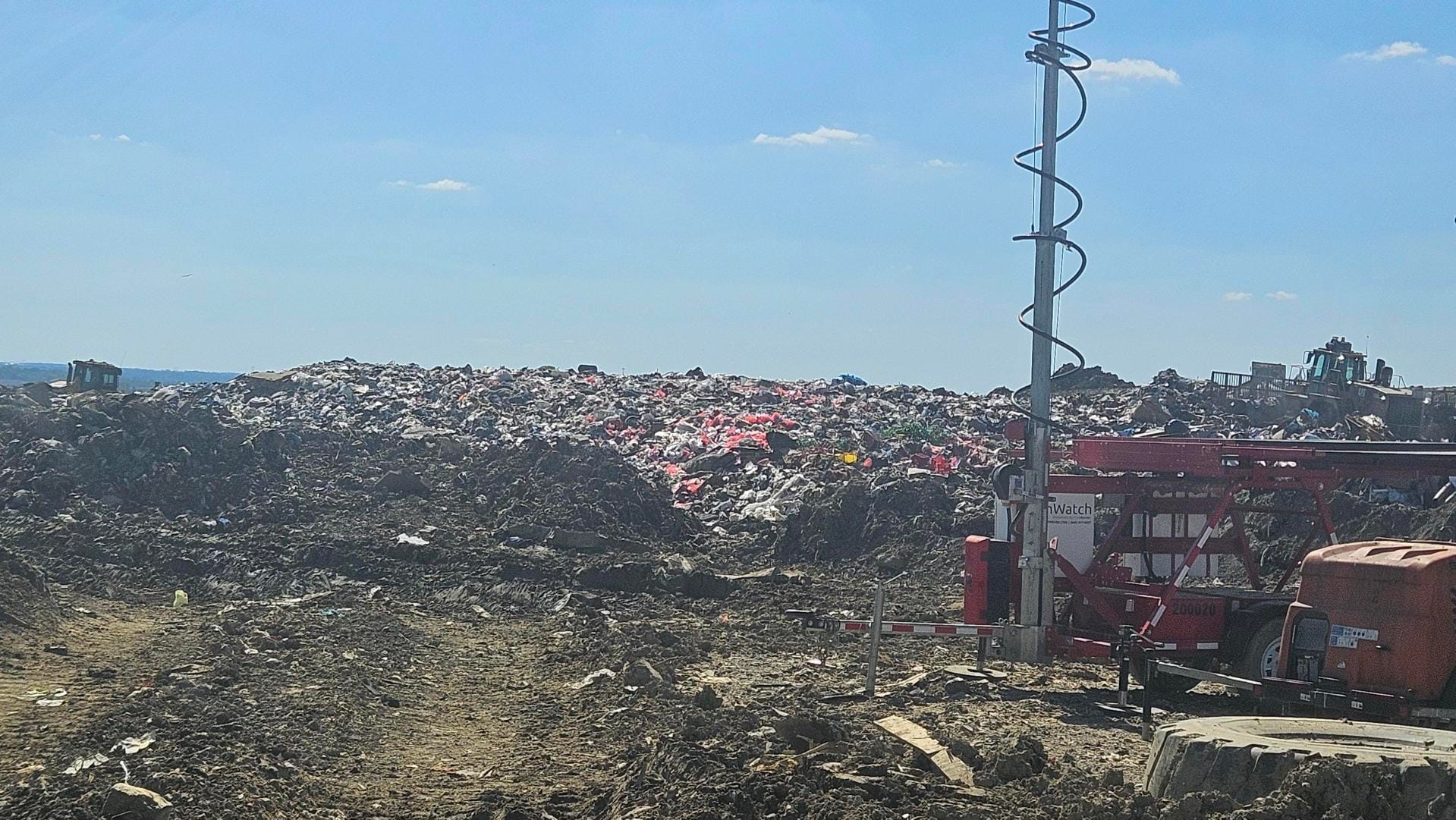
One of SWACO’s goals is to connect with recycling resource centers across the state to identify points at which they can assist in maximizing the output of recycled material, while also being able to transfer certain reusable items that they find. This outlet allows them to constantly be aware of new companies and innovations in the recycling sphere, and while they can do their best to educate about where recyclables are going, some of the market is too niche to garner widespread public interest. This points directly to our problem space: How can we use waste as a resource? In this case, how can we use waste to further educate and promote recycling practices so that not as much potentially reusable material ends up in the landfill?



