
Starlink vs. Astronomers
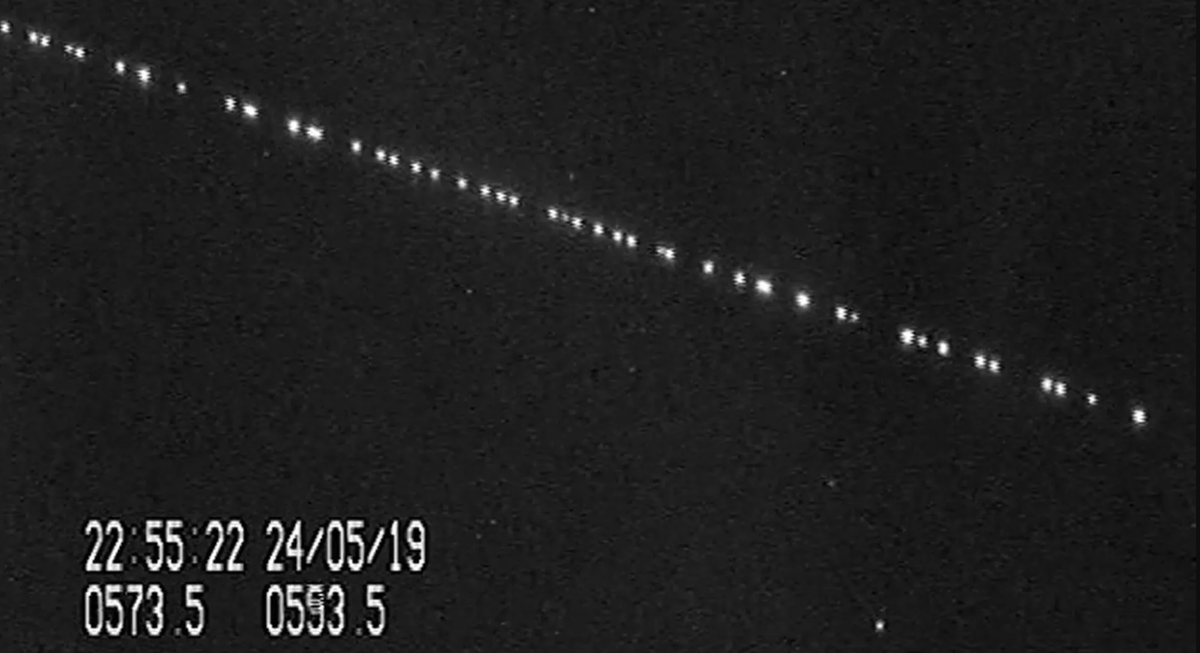
In the ongoing conflict between private satellite companies such as Starlink and the astronomy community, it has been found that many of the Starlink satellites which were promised to be below a certain brightness now exceed that brightness level.
"Simply put, the light pollution Musk claimed would never happen in the first place is making it far more difficult to study the night sky, a problem researchers say can be mitigated somewhat but never fully eliminated" (Bode 2025).
"A new study found that all of the launched satellites exceed brightness limits established by the International Astronomical Union’s (IAU) Center for the Protection of the Dark and Quiet Sky (CPS), harming scientists’ ability to conduct scientific research" (Bode 2025).
“Although there are no official regulations in place, the CPS established recommendations for maximum acceptable brightness for satellites orbiting below 341 miles (550 kilometers). The IAU established a maximum brightness of +7 magnitude for professional astronomy and below +6 magnitude as the aesthetic reference so it does not impact the public’s ability to stargaze without interference from satellites" (Bode 2025).
"While the study found that the brightness levels of Starlink satellites have improved some, the lower orbiting altitude of some of the newer Starlink satellites means the brightness impact is actually worse" (Bode 2025).
"...scientists warned that low-Earth orbit (LEO) satellites constantly burning up in orbit could release chemicals that could undermine the progress we’ve made repairing the ozone layer. Researchers at USC noted that at peak, 1,005 U.S. tons of aluminum will fall to Earth, releasing 397 U.S. tons of aluminum oxides per year to the atmosphere, an increase of 646% over natural levels" (Bode 2025).
As more satellites are sent into orbit, astronomers have raised the need for national and international regulations regarding the brightness of these objects. It is worth noting that the FCC has established recommendations for satellite brightness, which SpaceX and Elon Musk have agreed to follow. However, concerns remain about how effectively these recommendations can limit the effects of satellite constellations on astronomical observations.
The altitude of a satellite can also affect how visible it is from Earth and how much it contributes to light pollution in the night sky. Creating clearer and more consistent regulations could provide a more structured way to manage these effects rather than relying primarily on voluntary measures.
In addition to their effects on astronomy, satellites raise broader environmental concerns when they eventually reenter Earth's atmosphere. The materials released during reentry can contribute to atmospheric pollution, making the environmental effects of large satellite constellations an important consideration.
As satellite technology continues to develop, regulations could help establish clearer standards for how these systems are designed, operated, and removed from orbit. This could allow the technology to continue developing while also reducing its potential effects on astronomy and the environment.
Reference
Bode, K. (2025, September 5). Light pollution from Elon Musk’s Starlink continues to harm astronomy. Techdirt. https://www.techdirt.com/2025/09/05/light-pollution-from-elon-musks-starlink-continues-to-harm-astronomy/



