
Telehealth System for Remote Health
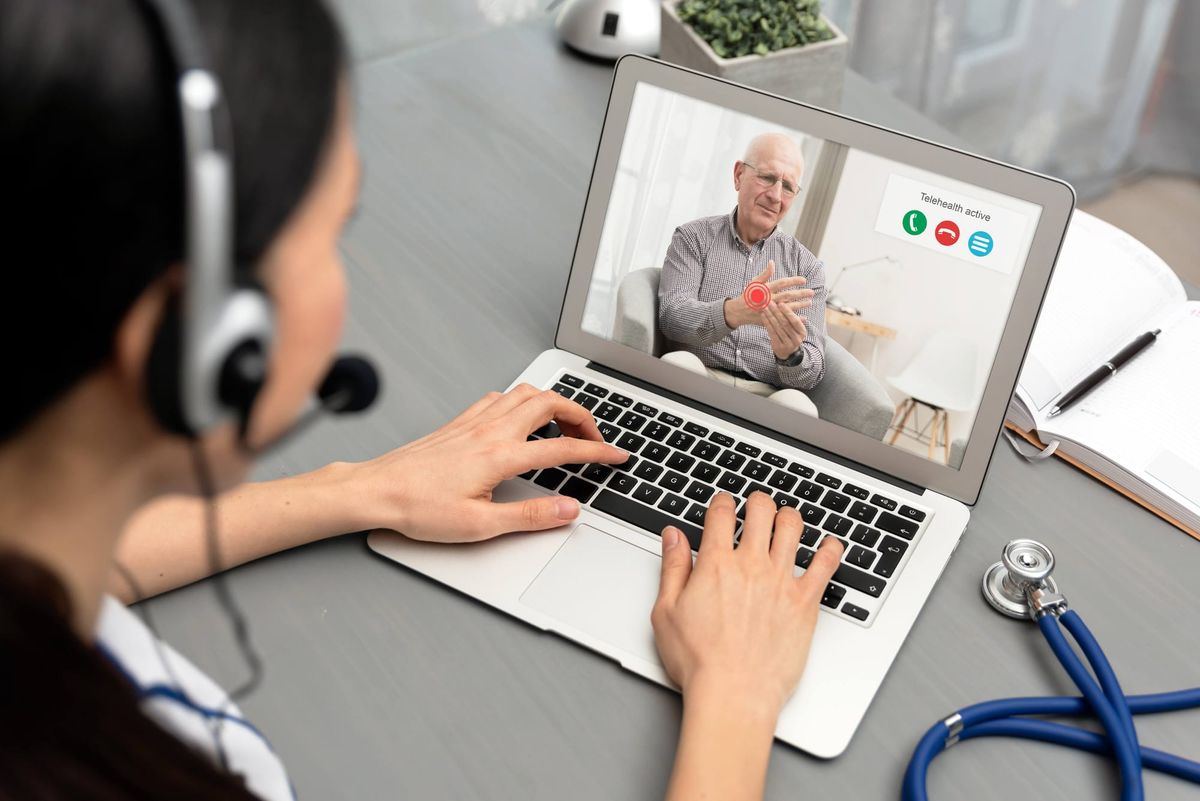
Telehealth has changed how people access health care by allowing patients to connect with providers remotely. Becoming more popular during COVID-19, it offered an opportunity to make health care more accessible through remote technology (Health Resources, 2024).
The benefits include:
Using technology, you can check your health from home. This is called “remote patient monitoring” or “RPM” for short. It is a helpful way to manage your health conditions. Some common health issues that can be tracked by RPM include: High blood pressure, blood sugar levels for diabetes, weight, heart problems, breathing problems, issues with sleep, asthma (Health Resources, 2024).
If your health care provider recommends a tool, they can teach you how to use it (Health Resources, 2024).
Telehealth is also more accessible for people who have mobility issues or are restricted to bed because of illness or infection (Health Resources, 2024).
The use of RPM in rural communities could be incredibly beneficial as access to hospitals is minimal. The issues that arise include the lack of technology in these communities due to both rural conditions and poverty conditions, making a service like telehealth fall short.
Ways Telehealth can help someone take care of their health:
Talking to someone about your feelings or problems with issues like alcohol or drugs.
Checking results from lab test or x-rays.
Checking on common problems like headaches or infections.
Looking at skin problems.
Managing your medicines.
Getting help for common sicknesses like colds or an upset stomach.
Checking in with your provider after surgery.
Doing physical or occupational therapy.
Using remote patient monitoring tools to track your health.
Accessing nutritional care and services (Health Resources, 2024).

If these solutions are intended to support the communities that need them most, financial accessibility must be considered alongside physical accessibility.
How much you pay for telehealth depends on your health care provider and health insurance. Many insurances treat telehealth visits like in-person ones (Bence, 2024).
An interesting factor regarding mental health or shame was brought up in Very Well Health by an occupational therapist:
Telehealth can also help people with conditions like agoraphobia or social anxiety who find it difficult to leave the house or those with long or inconvenient work hours who can benefit from a telehealth appointment after normal office hours. People with chronic illnesses that are often stigmatized like major depression or HIV/AIDS may also be more likely to seek care through telemedicine (Bence, 2024).
Rural communities often have older populations, and some individuals may value privacy and independence or feel uncomfortable seeking care due to concerns about stigma or social repercussions in close-knit communities. This is an important consideration in solution development, as a successful solution should not only improve access to care but also respect patients’ privacy, independence, and comfort when seeking medical support.
References:
Bence, S. (2024, March 12). Telehealth, what it is, and its pros and cons. Verywell Health. https://www.verywellhealth.com/what-is-telehealth-5115712
Health Resources & Services Administration. (2024, February 29). Why use telehealth? Telehealth.Hhs.Gov. https://telehealth.hhs.gov/patients/why-use-telehealth
AI was used to check grammar in this reflection.



