
The Attentiveness of Drivers in Automated Vehicles
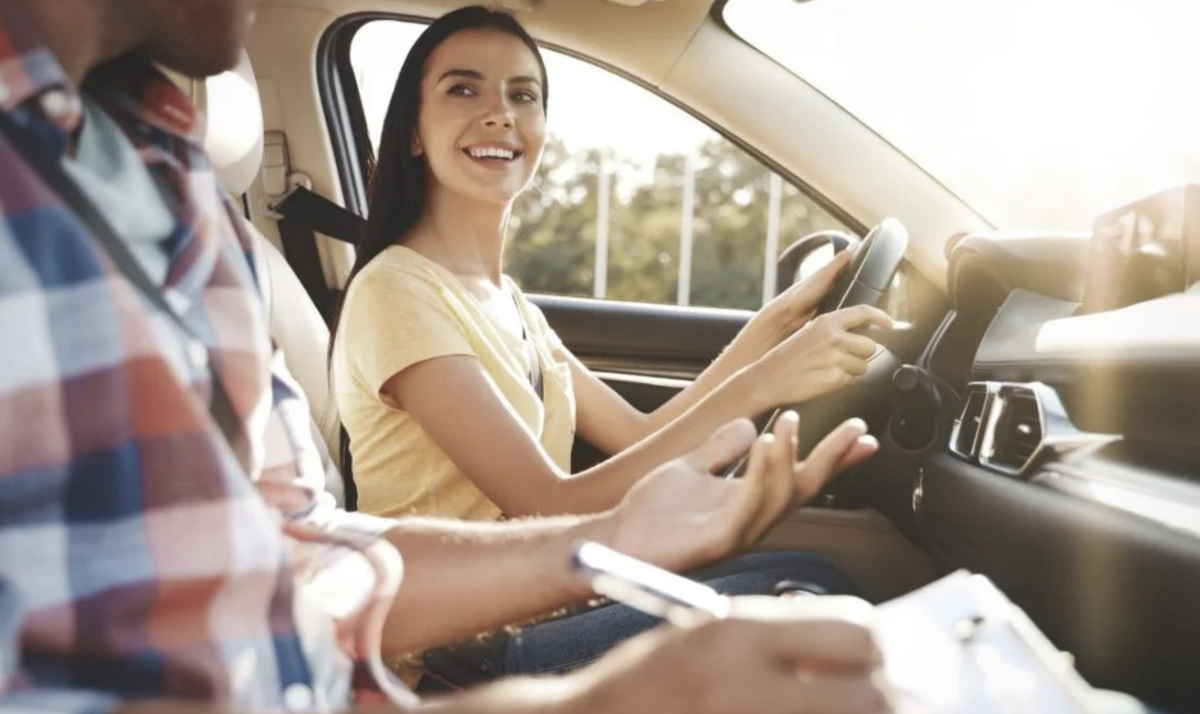
As a passenger in an autonomous vehicle, it is up to the passenger to be aware of automation failure. Passengers must stay in check to make sure everything running smoothly in the vehicle. If an issue occurs, they have to be aware enough to understand and react to a given situation in a timely manner. Although, studies have found that overtime, individuals' attentiveness within their vehicle has decreased.
"The current study investigated driver vigilance in partially automated vehicles to determine whether increased task demands reduce a driver’s ability to monitor for automation failures and whether the vigilance decrement associated with hazard detections is due to driver overload," (Greenlee, 2019).
"Drivers of partially automated vehicles are expected to monitor for signs of automation failure. Previous research has shown that a driver’s ability to perform this duty declines over time. One possible explanation for this vigilance decrement is that the extreme demands of vigilance causes overload and leads to depletion of limited attentional resources required for vigilance," (Greenlee, 2019).
"Participants completed a 40-min drive in a simulated partially automated vehicle and were tasked with monitoring for hazards that represented potential automation failures. Two factors were manipulated to test the impact of monitoring demands on performance: Spatial uncertainty and event rate," (Greenlee, 2019).
"As predicted, hazard detection performance was poorer when monitoring demands were increased, and performance declined as a function of time on task. Subjective reports also indicated high workload and task-induced stress," (Greenlee, 2019).
"Drivers of partially automated vehicles are impaired by the vigilance decrement and elevated task demands, meaning that safe operation becomes less likely when the demands associated with monitoring automation increase and as a drive extends in duration. This study also supports the notion that vigilance performance in partially automated vehicles is likely due to driver overload," (Greenlee, 2019).
"Developers of automation technologies should consider countermeasures that attenuate a driver’s cognitive load when tasked with monitoring automation," (Greenlee, 2019).
Reflection
I think the reason there is a decrease in individuals' attentiveness is due to the impact of technology. Nowadays, it is really easy to get distracted from devices such as our phones, that pull us away from being present in the moment. Are their user touchpoints that can be implemented within the car to keep passengers aware of their surroundings at all time? Can these touchpoints be a game a family plays as they ride in an autonomous vehicle across the city? Can the game be related to their drive in some way, raising awareness to pay attention at an increased rate?
References
Driving Lessons That Actually Make You a Safe, Confident Driver. (n.d.). Prompt Driving School; Prompt Driving School. Retrieved September 20, 2026, from https://promptdrivingschool.com.au/professional-driving-lessons/
Greenlee, E. T., DeLucia, P. R., & Newton, D. C. (2019). Driver Vigilance in Automated Vehicles: Effects of Demands on Hazard Detection Performance. Human factors, 61(3), 474–487. https://doi.org/10.1177/0018720818802095



