
The Car Shapes How Families Shop
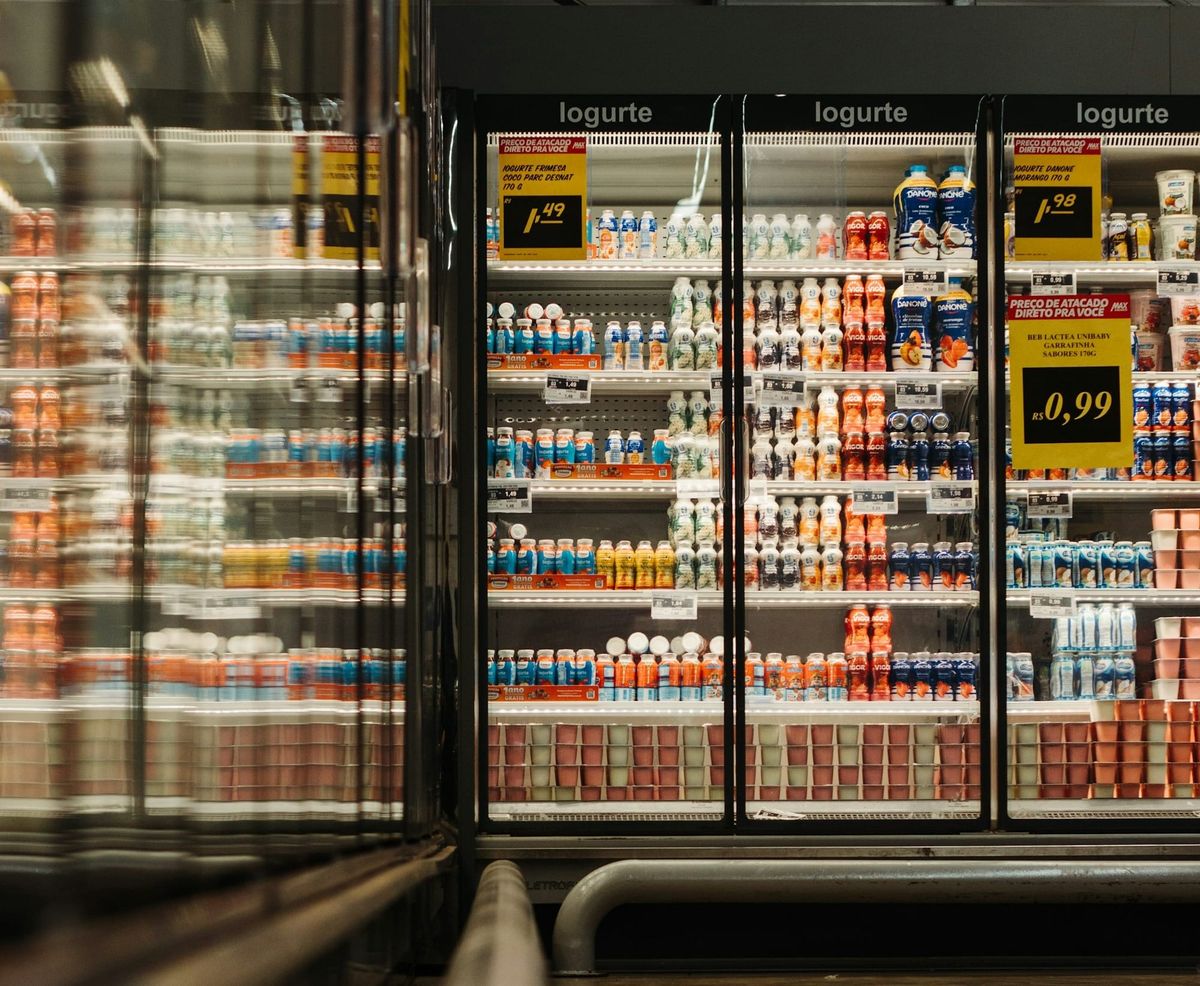
Grocery shopping is part of everyday family life, but getting to the store is also part of the experience. USDA research found that transportation access affects how households get their groceries. The car is not just how people get to the store. It can affect how they shop.
A car makes it easier to carry larger and heavier purchases. For households without easy access to a vehicle, grocery shopping can mean using someone else’s car, walking, biking, or taking public transportation. USDA found that about one-third of SNAP participants used one of these alternatives for their primary grocery shopping. The way people travel can shape the shopping trip itself.
"Supermarkets and supercenters dominate the food shopping of most U.S. households."
The USDA found that about 90% of SNAP and food-insecure households did their usual grocery shopping at a supermarket or supercenter, similar to higher-income households.
The study also found that WIC households were more likely to use supercenters for their primary grocery shopping. The researchers suggest that larger household sizes and multiple young children may make larger package sizes and one-stop shopping more useful. For families, the size of the household can influence not only what they buy, but where they shop.
Grocery shopping is more than a trip to the store. Transportation affects how easily people can carry what they need, where they shop, and how they make their purchases. For families, the car can become part of the shopping experience itself.
References
Morrison, R. M., & Mancino, L. (2015). Most U.S. Households Do Their Main Grocery Shopping at Supermarkets and Supercenters Regardless of Income. USDA Economic Research Service, Amber Waves.
~15% AI assistance in editing language, improving writing flow, and strengthening transitions. All interpretations remain the responsibility of the author.



