
The Cultural Perception Change of Plywood
I've been interested in the cultural perception change of materials, specifically Plywood.
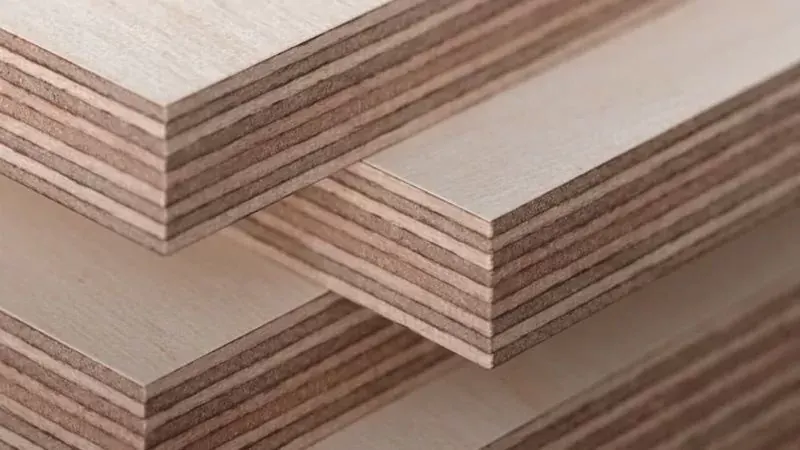
Plywood is a material that is made by layering thin sheets of wood together, creating a material that is strong, lightweight, and easy to shape. In Fast Company’s article, “How Plywood Revolutionized Design and Changed the World,” Suzanne LaBarre explains how plywood became an important material in modern design. Plywood was not suddenly created to be a beautiful or expensive material. Instead, designers began to realize what they could actually do with it. Designers like Charles and Ray Eames, Alvar Aalto, and Arne Jacobsen experimented with bending and molding plywood into shapes that were difficult to create with traditional wood. This allowed plywood to become curved chairs, furniture, and other forms instead of just being used as a cheap sheet material.
The important part of plywood’s history is that the material itself did not necessarily change. Designers changed how people saw its possibilities. Once people began seeing plywood being used in innovative and intentional ways, it became connected to modern design instead of only being seen as an inexpensive building material. This shows how designers can change the perception and value of a material by finding new ways to use it and showing people what it can become.
There was something of the occult in the way people talked about plywood. Take the Eameses, who called their plywood-molding apparatus the “Kazam!” machine or the “magic box.” -Fast Company
That sort of hyperbole might seem silly today, at a time when plywood is used for everything from skateboards to scaffolding. But it was hardly unique. Nowadays, instead of glue and lumber, we’re being sold on the supernatural powers of nanomaterials and carbon fiber. The promise is the same, it’s just the material that has changed. -Fast Company
The Material of the Modern World exhibition shows how plywood changed from a cheap and overlooked material into an important material in modern design. Designers began experimenting with plywood because it was strong, lightweight, inexpensive, and could be shaped into curves. Instead of hiding plywood or treating it as a basic building material, designers like Charles and Ray Eames and Alvar Aalto showed what it could become through furniture, architecture, and other products. The material itself did not suddenly become more beautiful. Designers changed how people understood it by finding new ways to use and present it.
This relates to Marble Plastics’ secondary waste stream because the CNC shavings may currently be seen as messy or undesirable compared to the controlled appearance of the main Marble Plastics slabs. However, the waste could be seen differently if its unpredictable colors and textures are intentionally used and presented. Instead of trying to make the waste look like the original Marble Plastics material, designers could highlight the qualities that make the secondary waste different. With the right process, applications, and presentation, the waste could become a material that people see as unique and beautiful rather than leftover.
References
Suzanne Labarre. (2012, Feb 1). How Plywood Revolutionized Design (No, Really). Fast Company. https://www.fastcompany.com/1668947/how-plywood-revolutionized-design-and-changed-the-world-no-really
Tam AC & UK. (2024, April 17). Inside the Plywood: Material of the Modern World exhibition. https://www.vam.ac.uk/articles/inside-the-plywood-material-of-the-modern-world-exhibition?



