
The Future of Furniture
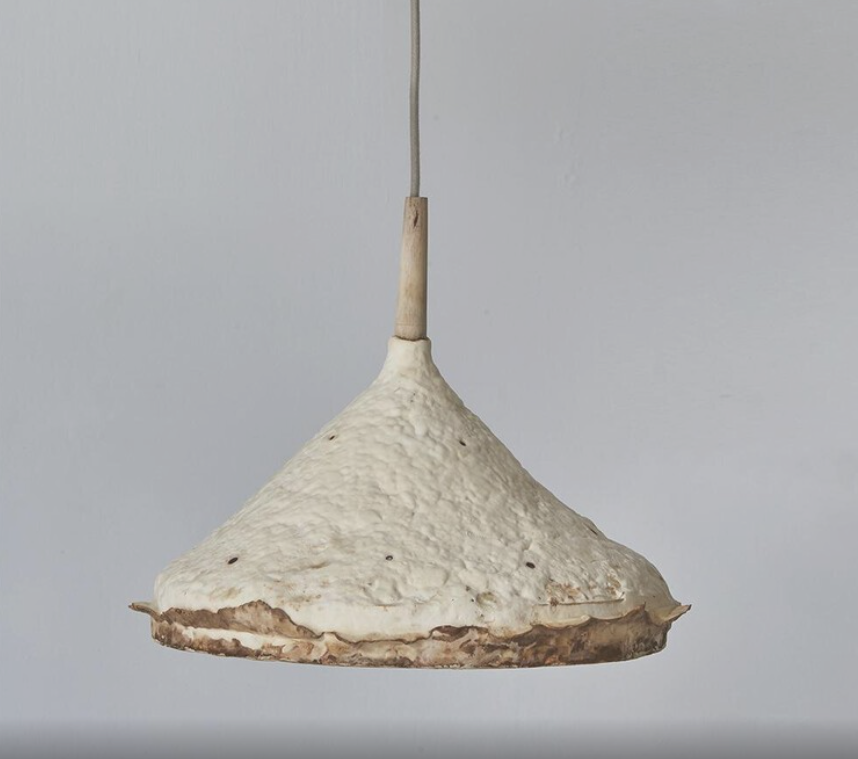
“In the architectural conversations we are having in today’s world, conversations on materials are widespread. There is discussion on the viability of concrete in the contemporary context, how timber can be more sustainably sourced, and on how biodegradable materials such as bamboo should be more common sights in our urban environments.”
“Well, the facts are, that this future does not consist of completely new materials per se. It consists of re-thinking the existing materials we use to construct furniture with, slightly re-tooling them in innovative ways.
“As a naturally renewable material that is easy to forge, wood is a popular sustainable choice for making the chairs, tables, and cabinets that populate our homes, workplaces, and recreational spaces. However, a lot of the wooden furniture being manufactured and in circulation today is in fact not biodegradable. A lot of wooden furniture is coated in polyurethane – a liquid coating applied to minimize how the wood is impacted by solvents, water, and abrasion. Polyurethane, as a type of plastic, however, slows down the wood’s ability to biodegrade.”
“The future of what furniture is made of is perhaps best exemplified by this year’s Salone del Mobile, where multiple furniture designers and architects explored alternative materials – responding to the Salone theme of embedding environmental awareness and sustainability into furniture production. Dutch materials development company Cooloo experimented with the brief of creating long-lasting, durable furniture out of recycled materials. Their Ameba chair, designed by Hugo de Ruiter, eschews a wooden or metal frame, being cut out of a block of foam, and has multiple coating options – including recycled jeans and leather.”(Maganga, 2022)
One of the challenges that I personally struggle with is the idea that, in order to create sustainable designs, a new material has to be invented in order to be sustainable. This article challenges this preconceived notion and reframes it as a different way of thinking about already existing materials. It aligns directly with what Marble Plastics is already doing with their manufacturing scraps; they are not looking to invent a new material from the scraps that they already have; rather, they are looking to find additional value from the scraps they already have.
The article highlights how furniture designers are experimenting with recycled materials in order to create durable products with the help of the recycled materials. This article suggests that the idea of sustainability can be addressed by reconfiguration, material selection, and product development instead of simply substituting materials. This article really helped show, through the use of furniture design, that sustainability can be achieved through more than the invention of new materials.
References:
Maganga, M. (2022, September 24). What will the furniture of the future be made from? ArchDaily



