
The Reality of Fireworks
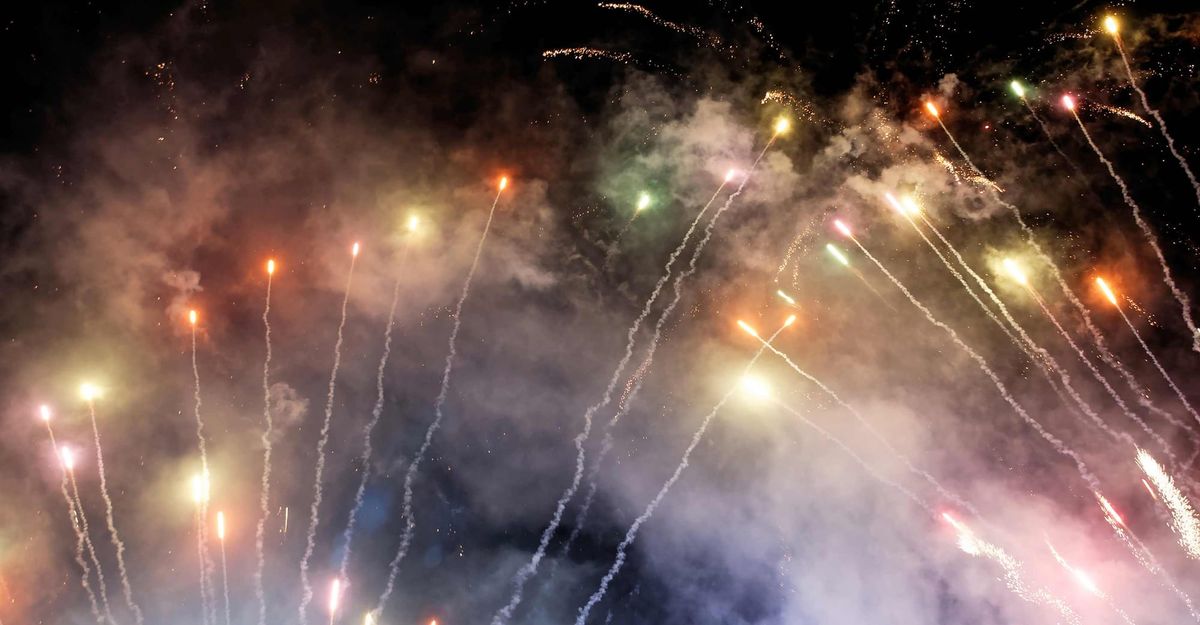
Fireworks have long been a staple of community and personal celebrations mainly occurring on the 4th of July or New Years times. But the more we look into this practice, the more we learn about the truly negative effects that they have on our world.
"...a study in Pacific Conservation Biology ...underscores what they call the “highly damaging” impacts of fireworks—spectacles that scare birds from roosting places and nesting sites, disturb and distress other animals with their sudden light and noise, and even affect animal breeding" (Blakemore 2024).
"...the sounds and flashes of light associated with the blasts trigger the startle response in animals, causing distress and even death to animals. Young cranes, for instance, have been documented leaping from their nest in response to loud noises even though they cannot fly" (Blakemore 2024).
"The unexpected and unpredictable nature of fireworks, along with their ability to elicit flashbacks and memories in people who have survived combat situations, can trigger an ongoing feeling of danger and hypervigilance that lasts far beyond the holiday" (Blackmore 2024).
"The U.S. Consumer Product and Safety Commission recorded 9,700 ER visits and eight deaths from fireworks in 2023 alone—most due to fireworks misuse. ...the agency estimates that 18 percent of all fireworks on the market in 2023 didn’t meet safety standards, putting even experienced operators at risk" (Blakemore 2024).
"According to the National Fire Protection Association, ... fireworks caused 19,500 fires and $105 million in property damage in the U.S. in 2018 alone" (Blakemore 2024).
Review
National Geographic presents a strong argument against the use of fireworks, focusing on the negative health effects the experience has on humans, animals, and the surrounding environment. Beyond the wildlife disruption, the sheer volume of personal injuries caused by these explosives triggers massive medical expenses, legal fines, and the constant need for public safety campaigns to prevent amateur operators from severe harm. Recognizing the impact that loud sounds and bright lights have on birds and other wildlife truly puts our extravagant public celebrations into perspective. A useful way to understand what this feels like for animals is to imagine walking through your own home while someone randomly sets off flashbangs. This would not be an enjoyable experience for us, so why should we subject animals to it involuntarily?
In addition to the negative effects fireworks have on animals, they also take a heavy toll on our environment. As global temperatures rise, severe weather and wildfires are becoming much more common. The role that fireworks play in igniting forest fires is extremely clear and eye-opening. The immense amount of money, time, and personnel committed to resolving the safety and wildfire issues caused by fireworks far outweighs the fleeting 15-minute thrill of a pyrotechnic show. It has become crucial to recognize the negative consequences fireworks have on our environment, animals, and human health, making it more necessary than ever to shift toward genuinely sustainable entertainment.
References
Bateman, P. W., Gilson, L. N., & Bradshaw, P. (2023). Not just a flash in the pan: Short and long term impacts of fireworks on the environment. Pacific Conservation Biology, 29(5), 396–401.https://doi.org/10.1071/PC22040
National Geographic. (2024, June 27). Why drones are replacing fireworks shows. National Geographic Science.https://www.nationalgeographic.com/science/article/fireworks-drones-swarm-danger-health-technology
Somvichian-Clamani, D. (2023, July 3). Air quality plummets after July Fourth fireworks. Could drone displays be the future? NPR.https://www.npr.org/2023/07/03/1185815745/air-quality-fireworks-smoke-july-fourth-drone-displays



