
The Transformative Power of AI: Bringing High Quality, Preventative Care to Rural America
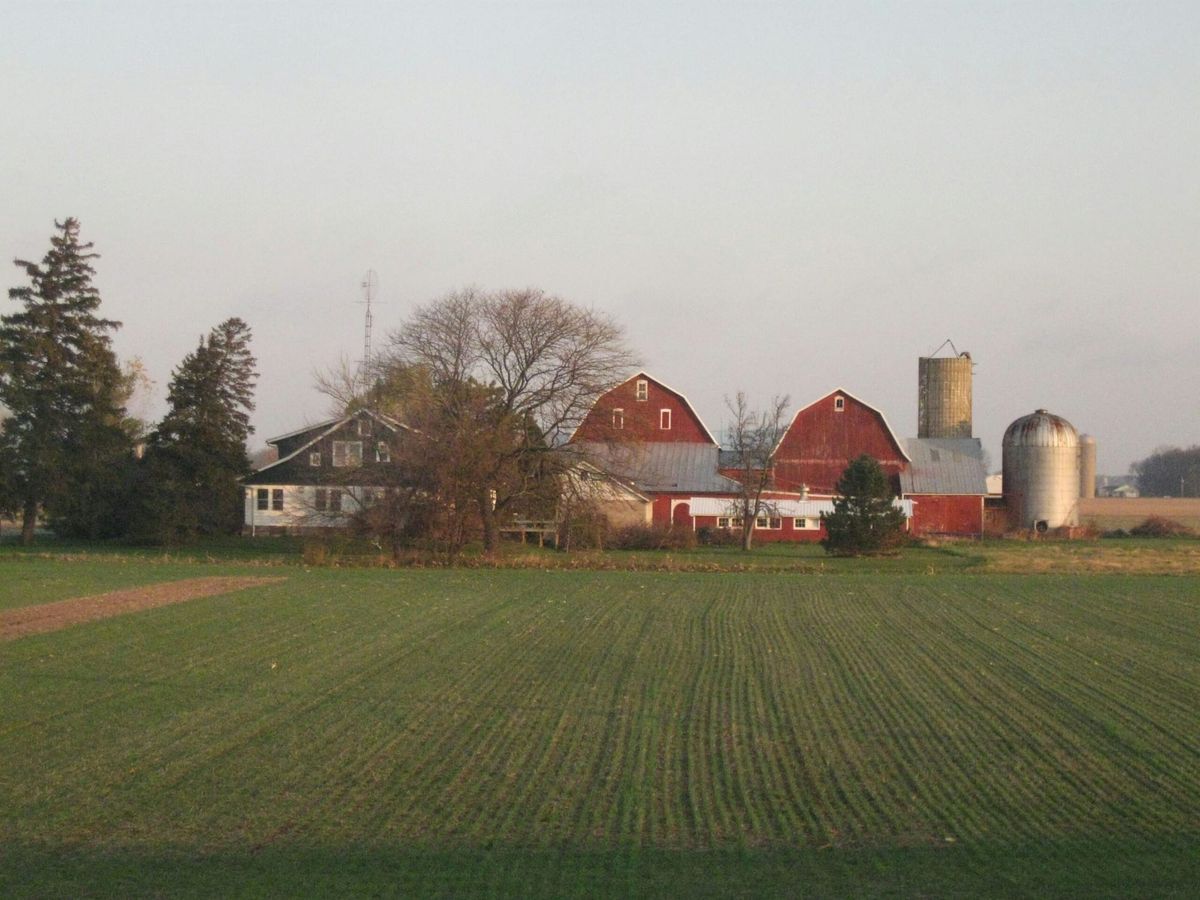
The piece frames the core problem as geography determining who gets screened before disease progresses, not just who gets treated once it's found. The CDC statistic cited, that rural residents are more likely to die from the most preventable cancers, reframes distance as a mortality risk in itself, not just an inconvenience.
According to the Centers for Disease Control and Prevention (CDC), “Rural residents are more likely than urban residents to suffer and die from some of the deadliest but most preventable cancers.” Roughly 20% of Americans live in rural areas, yet these communities are significantly underserved, lacking access to quality resources for cancer prevention, screening and treatment, which are often concentrated in urban centers. When the nearest specialist or diagnostic center is a three-hour drive away, routine, preventative care can easily become too difficult to maintain.
As we have highlighted in the past, artificial intelligence (AI) is being integrated across the healthcare industry, including in medical imaging and breast cancer diagnostics, and it is well-positioned to help close this rural access gap. AI is making it possible to democratize world-class medical expertise, delivering it directly to rural clinics and patients.
Technological advancements are helping ensure that access to quality, preventative healthcare will not be dependent upon one’s zip code. To work towards this beneficial and potentially life-saving democratization of care, we must have a policy environment that fosters innovation rather than stifles it. This National Cancer Prevention Month, we should consider the benefits that AI integration into healthcare offers, particularly in making preventive care a reality for all Americans, no matter where they call home.
What's useful for design thinking is the range of tools described: some, like CATCH-FM, work passively in the background by mining existing medical records without any new equipment, while others, like DermaSensor, require a physical handheld device used directly on a patient. Some interventions are purely data-driven and invisible to the patient, while others require a tangible object a non-specialist provider has to physically operate on.
Foster, Z. (2026, February 27). The transformative power of AI: Bringing high quality, preventative care to rural America. NetChoice. https://netchoice.org/the-transformative-power-of-ai-bringing-high-quality-preventative-care-to-rural-america/



