
Tyto Care takes telehealth retail
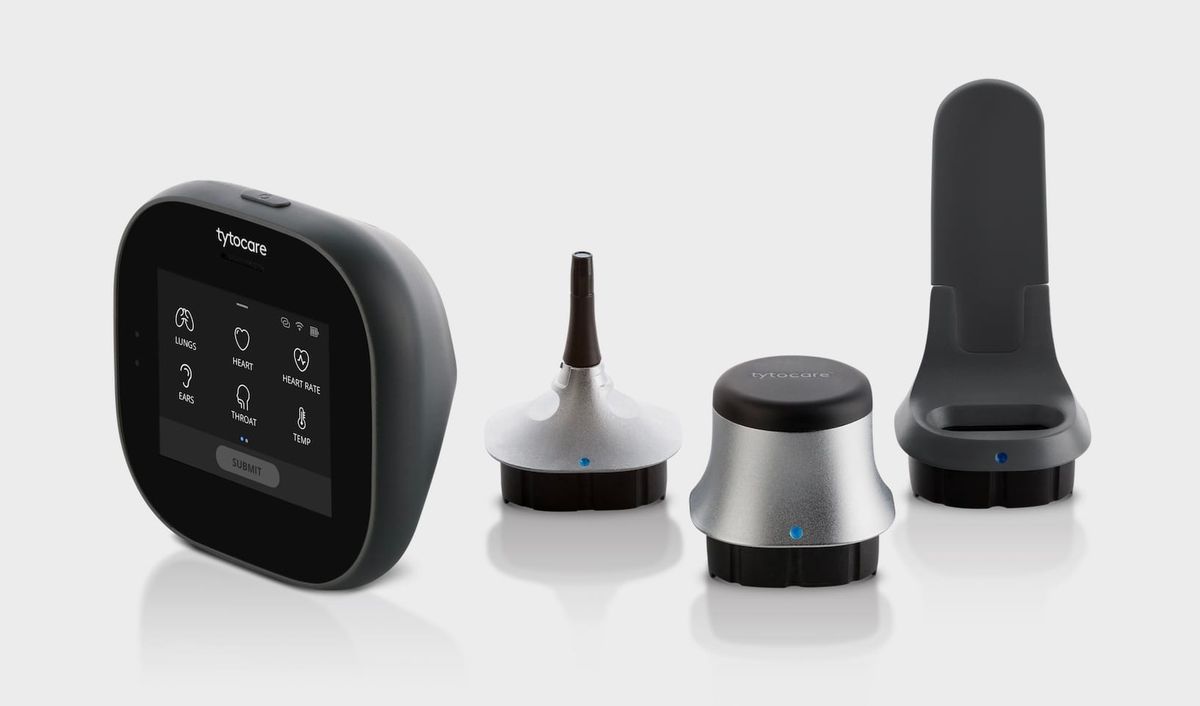
TytoCare makes a handheld device that lets someone perform a guided medical exam at home, checking heart and lung sounds, ear and throat images, and body temperature. Then sharing the results live with a doctor during a video visit. Most telehealth companies at the time were selling exclusively through health systems and insurers. TytoCare made a different bet: putting its TytoHome kit directly in front of consumers by selling it in 300 Best Buy stores nationwide for $299, with individual televisits priced separately at $59.
The kit includes a handheld device with a variety of attachments that can listen to the heart and lungs, measure temperature and image the throat and ears. The kit includes an exam camera, infrared thermometer, tongue depressor and otoscope for the ear exams. Bluetooth can connect other devices, such as glucometers. With these tools a parent, for example, can examine a sick child and send measurements and images to a physician via smartphone.
Bardan believes this approach could help people determine whether a doctor’s visit is warranted, simplify follow-up exams and help physicians determine if their patient is improving. The visual data can also prepare specialists for a referral or preserve longitudinal data to track a condition over time. The system also has an asynchronous mode, allowing patients to send information without a live visit.
While reimbursement for virtual visits is still a work in progress, Bardan notes payers are moving in the right direction. He also believes home-based exam technology could be a big plus for physicians, taking pressure off their hectic schedules and possibly supporting their ability to do some work from home.
This article is relevant to my research topic because it shows a genuinely different distribution strategy for assistive medical technology. Instead of routing exclusively through hospitals or insurers, put the device directly in a retail store next to consumer electronics. That's a meaningful business model bet, since it treats the diagnostic device more like a consumer product than a piece of clinical infrastructure, which could matter a lot for rural reach. A retail channel doesn't depend on a nearby hospital adopting new technology first. It also raises a real design question: a device meant to replace part of a clinical exam has to be usable and trustworthy enough for an ordinary person to operate correctly without supervision, which is a much higher bar for guided design than a device only ever used by trained staff.
Reference
MedCity News. (2019, November). Tyto Care takes telehealth retail. https://medcitynews.com/2019/11/tyto-care-takes-telehealth-retail/



