
Vehicle Systems Catering to Human Needs
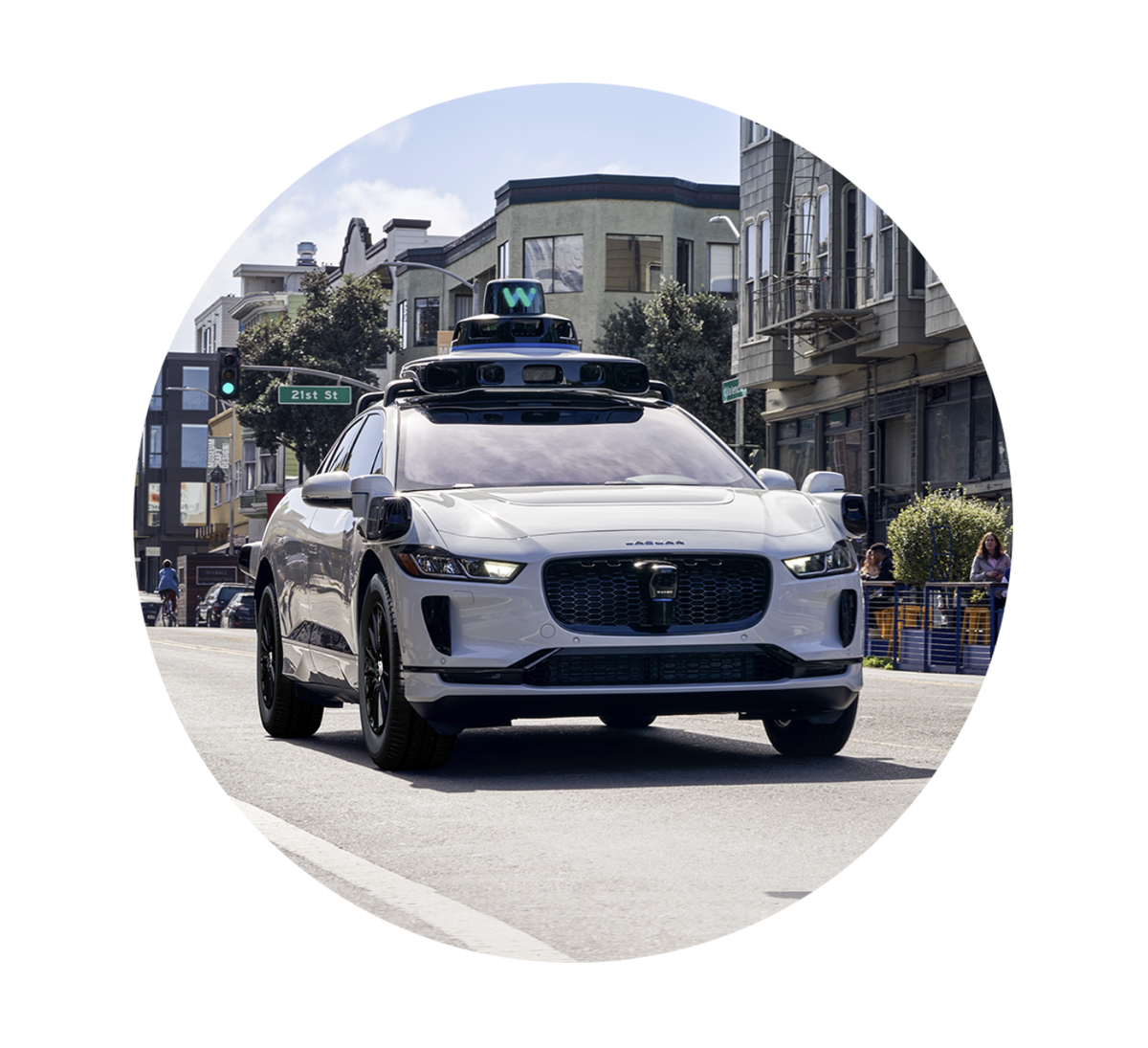
Autonomous driving vehicles (AV), passengers inside the car to enjoy their ride as they can sit back and relax. Although, with new technology comes new possibilities of the potential of cars. As a passenger in an autonomous vehicle, an individual can enjoy their free time and occupy themselves as needed. Since they are not in charge of driving the vehicle, there is more space for opportunity. Not only to pass time on a commute, but also an opportunity for a new design of the space to enhance the user experience.
"Safety, comfort, and non-driving activities are the principal concerns of AVs," (Xu, S., Shi, C., & Pinyan, T., 2021).
"A rotatable seating position with an in-vehicle information display is proposed," (Xu, S., Shi, C., & Pinyan, T., 2021).
"The proposed design improves drivers' situational awareness in take-over situations," (Xu, S., Shi, C., & Pinyan, T., 2021).
"Situational awareness is defined as the perception, comprehension, and projection of elements in the environment within a volume of time and space, enabling individuals to make informed decisions based on their understanding of the situation," (Franke 2014).
"First, driving in autonomous vehicles is clearly different from driving traditional manual vehicles. These new situations open up the possibilities for new spatial orientations and to provide free time for the driver to perform non-driving activities," (Pettersson and Karlsson, 2015).
"Second, when non-driving activities become drivers' primary tasks, and the driving activities (e.g. road monitoring) become secondary tasks, a differential effect on situational awareness can occur," (Chandrasekaran et al., 2019).
"Our results suggest the design of rearward-facing rotatable seats supported by a multimodal information display is a promising approach," (Franke 2014).
Reflection
I think autonomous driving vehicles are a great opportunity in regard to the potential for design. As all of the individuals in the car are passengers, the interior of the autonomous vehicle can be elevated. Can the interior of a car be redesigned to include all passengers in a car to interact with one another? Can this interaction reduce screen time and increase more face-to-face time amongst passengers.
Reference
Chandrasekaran, L., Crookes, A., & Lansdown, T. C. (2019). Driver situation awareness – Investigating the effect of passenger experience. Transportation Research Part F: Traffic Psychology and Behaviour, 61, 152–162. https://doi.org/10.1016/j.trf.2017.12.007
Franke, U., & Brynielsson, J. (2014). Cyber situational awareness – A systematic review of the literature. Computers & Security, 46, 18–31. https://doi.org/10.1016/j.cose.2014.06.008
Waymo. (2025). Autonomous Driving Technology - Learn More about Us. Waymo. https://waymo.com/about/
Xu, S., Shi, C., & Pinyan, T. (2021). Shaping driver-vehicle interaction in autonomous vehicles: How the new in-vehicle systems match the human needs. Applied Ergonomics, 90, 103238. https://doi.org/10.1016/j.apergo.2020.103238



