
Waste as a Feedstock for the Next Cycle
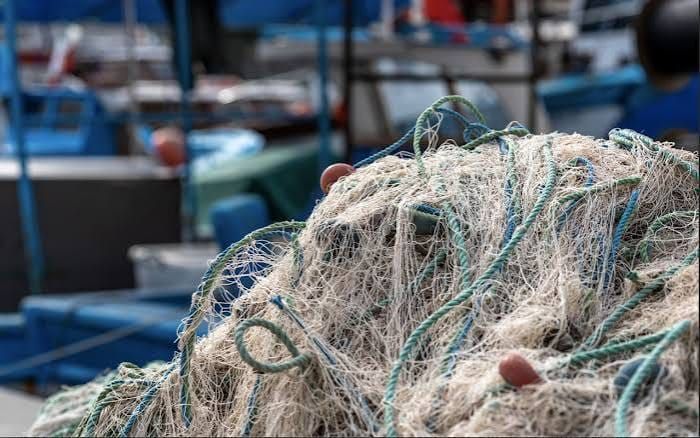
"Yarn producer, Aquafil has designed the ECONYL® Regeneration System, which enables Nylon 6 waste to be regenerated into new Nylon 6 with no loss of quality. Key to success is the Reclaiming Programme, an essential tool to facilitate a reverse supply chain and ensure reliable materials inputs.
Aquafil Group have a strong heritage in effective resource management, in making nylon yarn for carpets and apparel. For over 50 years, the company has been working on the production of nylon fibre and CEO Giulio Bonazzi says that "without realising it we have always developed technologies that are very advanced in terms of environmental concerns… and looking at business in a circular way has opened up new opportunities for innovation.”
We realised that Nylon 6 has these peculiarities, it can be depolymerised, and once this has been done with strong purification, then we can produce a product with exactly the same characteristics of the polymer coming from crude oil. We were lucky to be part of this system already, but we have invested money to develop technology that supports it.
As Nylon 6 is already able to be depolymerised and re-polymerised with no loss of quality, the challenge has been accessing a reliable feedstock for this process. To this end, Aquafil established the ECONYL® Reclaiming Programme, an essential tool that the company is putting in place to facilitate a reverse supply chain and ensure reliable materials inputs. The programme sources a variety of products made entirely of Nylon 6, such as fishing nets, rigid fabrics or other plastic components. The company’s thinking has shifted – what used to be thought of as waste is now food for their industrial process." (Ellen MacArthur Foundation, 2021)
One of the things that made me hesitate about the idea of a circular economy was the ability to apply it to larger industrial companies. Throughout the attached article is discusses how a company can change the way it views waste by designing a system for reusing discarded material. Aquafil ECONYL system is used to generate Nylon 6 from Nylon 6 waste with no loss of quality in the material. The overarching theme of the article aligns with what Marble Plastics is trying to do with the scrap CNC milling: find another revenue stream for the material. The Aquafil example also demonstrates something that is often overlooked in this process. It discusses how simply having the machines that are able to recycle the material is simply just not enough.
For a system to be successful and be maintained, it has to focus on the collecting, sorting, and transportation of the material. In order for Marble Plastics to successfully integrate this process, we have to think about the whole journey that the material will go through, not just one spot.
References:
Ellen MacArthur Foundation. (2021, October 5). Production of nylon yarn from waste materials: Aquafil. Ellen MacArthur Foundation. https://www.ellenmacarthurfoundation.org/circular-examples/production-of-nylon-yarn-from-waste-materials



