
What Dark Sky Policy Actually Generates
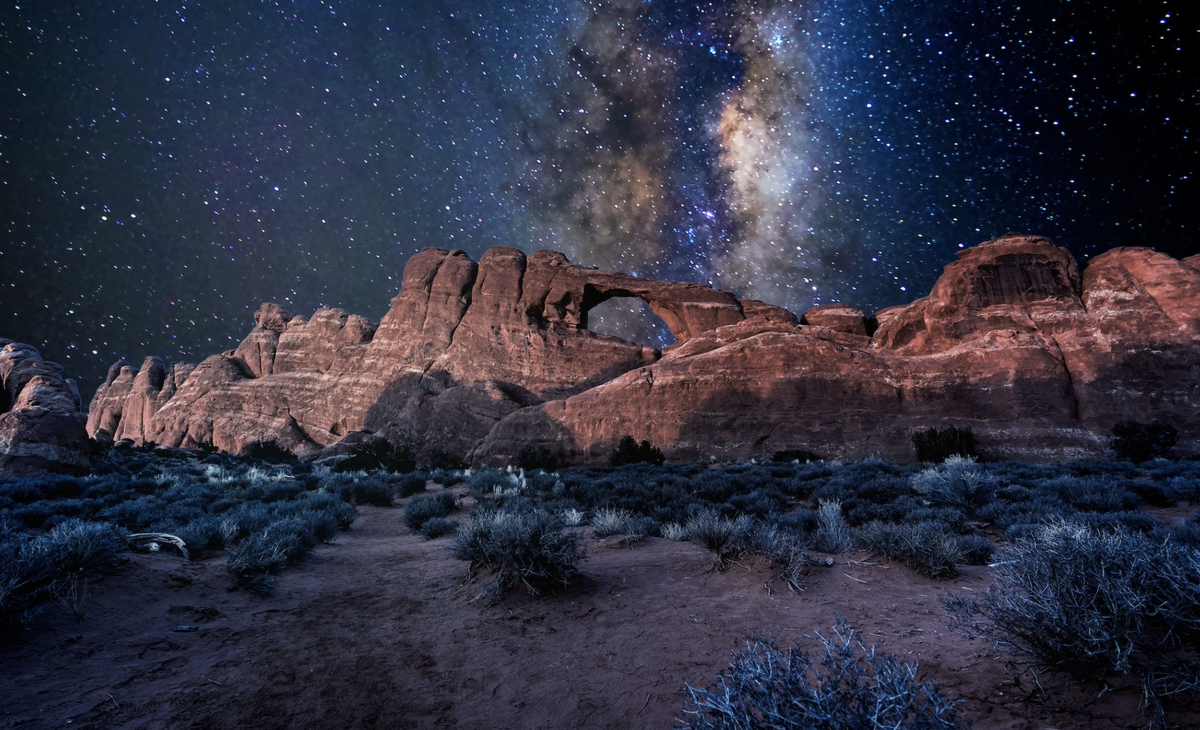
Although some organizations view dark sky policies as unnecessary, their effects on ecosystems, human health, climate, and energy use make them an important and practical issue to address.
"Light pollution is not an inconvenience for astronomers. It is a measurable pressure on wildlife, food production, human health, and public energy budgets — and it is one of the only environmental problems that reverses the moment you switch it off"(AstronEra. n.d.).
Research into “dark sky tourism” shows that protecting dark skies can have a positive effect on local economies. It can bring more visitors to these areas while creating jobs and supporting local businesses. Unlike many other forms of tourism and development, dark sky tourism does not require large amounts of new land or resource extraction, making it a way for communities to benefit economically while also protecting the night sky.
"Northumberland's dark sky tourism generates roughly £25 million a year and supports ~450 jobs, returning £1.93 for every £1 spent on compliant lighting. The Colorado Plateau in Utah generated $5.8 billion in dark sky–adjacent tourism over a decade, supporting more than 10,000 jobs annually — with no extraction, no new land take, and no trade-off against development"(AstronEra. n.d.).
"Lit fields see 62% fewer nocturnal pollinator visits and 13% less fruit set — nocturnal pollinators service roughly 30% of crops. Migratory birds are especially exposed: more than a billion die annually in light-linked building collisions. Maharashtra sits on the Central Asian Flyway, and its Western Ghats protected areas already face light intrusion"(AstronEra. n.d.).
"Maharashtra's outdoor lighting carries a preliminary estimate of 20–25 million tonnes of CO₂ per year, derived from national grid emissions factors. Of that, 1.7–4.7 Mt/year is reducible through shielding, colour-temperature limits, curfews, and lighting retrofits."(AstronEra. n.d.).
These findings show that artificial lighting can affect both ecosystems and the environment in ways that go beyond simply making an area brighter at night. Changes to outdoor lighting could help reduce disturbances to wildlife while also lowering some of the energy use and emissions associated with unnecessary or inefficient lighting. This does not mean that outdoor lighting needs to be eliminated, but rather that the way lighting is designed and used can be considered more carefully. Using appropriate lighting levels, directing light where it is needed, and limiting unnecessary light could help communities balance safety and visibility with environmental concerns. Together, these impacts show why nighttime lighting is an important part of environmental planning and design.
Reference
AstronEra. (n.d.). Research. Retrieved September 15, 2026, from https://astronera.org/research



