
What Exactly is "Invasive"?
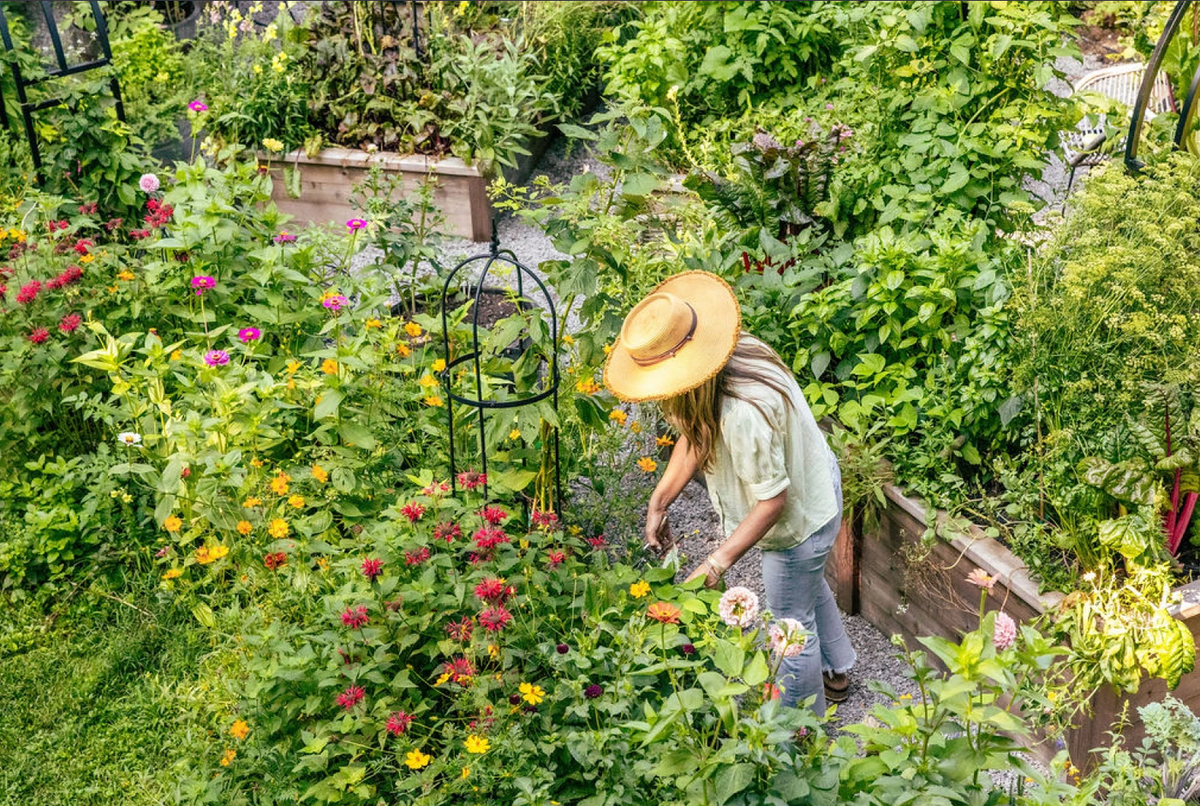
This article takes a look at some of the fundamental differences between the public’s definition of invasive and that of researchers’. While more objective criteria is required for ecologists to label a species as invasive, not all people are quick to call for action against some of these species they may deem non-urgent, or may not have apparent consequences.
“Invasive species are regarded as one of the five direct drivers of change in nature. A main introduction pathway or source of invasive species globally is ornamental horticulture. Gardeners are therefore essential actors (i.e. stakeholders) and constituents of the ‘publics’ for invasion science and relevant environmental policies, requiring engagement to encourage behavioural change. There is both inconsistent and inaccurate use of terminology within invasion science, despite efforts to reach consensus, and between invasion science and environmental policies” (Jones, 2024)
"It is also important for invasion scientists and those involved in environmental policies to realize that understanding of the term ‘invasive’ can be temporally and spatially specific. This is explored here by looking at how gardeners in Britain define ‘invasive’ and comparing this with how the term is defined by invasion scientists and in environmental policies" (Jones, 2024)
"Gardeners define ‘invasive’ using many of the concepts within invasion science and environmental policies. For example, spread and impact were the main defining concepts for gardeners, as in the general conceptual distinction between invasion science and environmental policies. This is supported by evidence of commonality (albeit nuanced) between ‘experts’ and the publics and suggests that inconsistent and inaccurate use of terminology in invasion science and environmental policies does not limit science communication and engagement efforts" (Jones, 2024)
"For gardeners, spread was mostly a concern within their garden if a plant “doesn't stay in one place”, which is different to how it is used within invasion science. A consequence of spread is often the need to control. Although this is not a defining concept within invasion science, it is an aspect of environmental policies. Control was also important for gardeners. For example, the strongest commonality was between spread and control. Gardens often have specific aesthetic or visual expectations, with control being a fundamental part of gardening" (Jones, 2024)
"Similarities were found in how gardeners define ‘invasive’ and how it is defined in invasion science and environmental policies, especially with the two concepts of spread and impact. There were also clear differences; for example, control was the singular defining issue for gardeners and impact was not confined to the ‘wider environment’ or wild. Importantly, most gardeners only considered the term invasive specifically within their gardens. Both points have important implications for engaging gardeners with invasion science and relevant environmental policies including limiting the spread of ornamentals currently regarded as invasive species, and early detection of those with invasive potential" (Jones, 2024)
Review
While there are tremendous collective efforts over the years to combat invasive species as well as inform the greater public about them, a very overlooked issue is how exactly invasive species are defined. While it is easy to assume that everyone would look to the same scientific definition, it turns out that many practicing gardeners (some who may be the most directly responsible for keeping invasive species at bay) do not share the same definition as the rest of the scientific world. While this does not mean a majority of them are likely to flippantly ignore good practices and actively introduce invasive species into the environments surrounding their garden, it does mean that there is a disconnect between the applied theories surrounding proper practices and how they are actually perceived and carried out by the greater public. This is yet another issue that could be addressed in order to better align public practices and understanding with what would be best for local ecosystems.
References
Jones, T. S. (2024, January 3). How do gardeners define “invasive”? implications for invasion science and environmental policy instruments on invasive species. Science Direct. https://www.sciencedirect.com/science/article/pii/S1462901123002630



