
Why Scarcity Makes Waste Feel Valuable
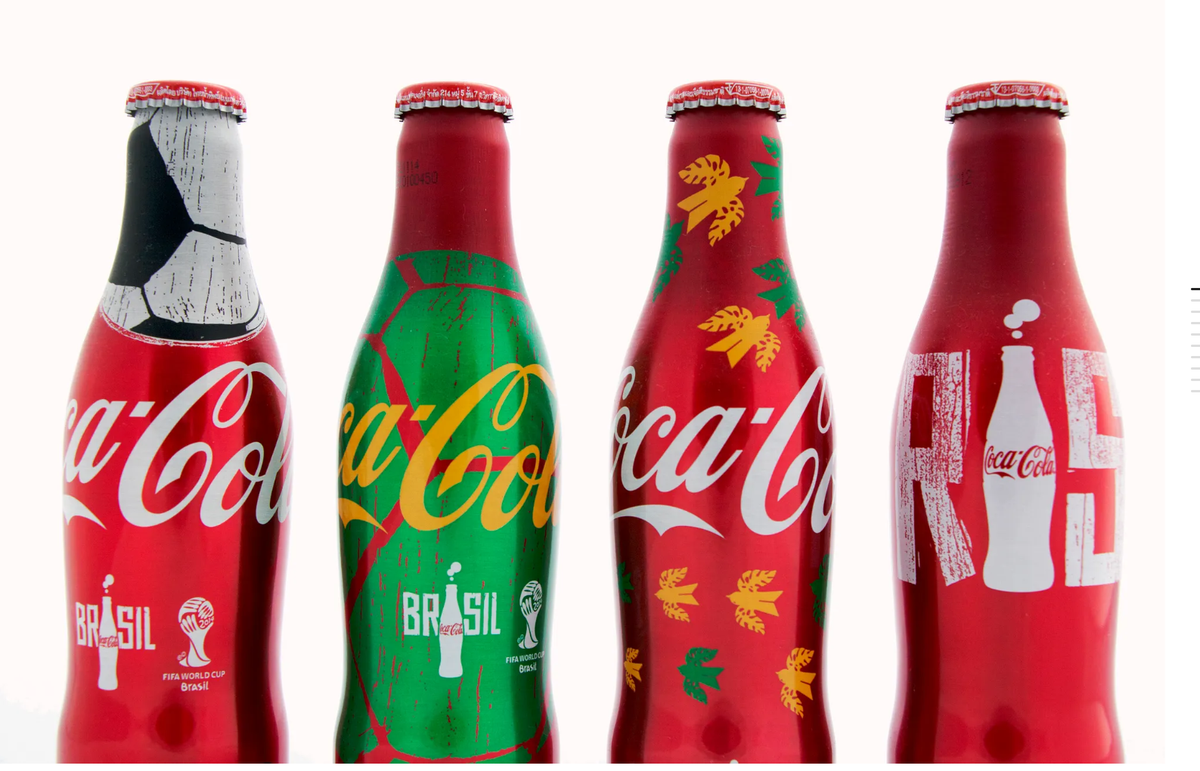
A Reddit user recently admitted on r/consumer: “I bought the ‘limited edition’ Coke flavor even though I knew it would taste like battery acid. I didn’t want to miss out.”
That confession captures something universal. We know better, yet we do it anyway. The words “limited edition” flip a switch. Suddenly, a product we might ignore on a normal day feels like something we have to grab before it disappears.
This is not a new trick. Marketers have leaned on scarcity for decades. But in a culture of instant sharing and viral hype, scarcity has become both more obvious and more effective. The interesting question isn’t whether it works. It’s why it still works when we’re so aware of the gimmick.
A Reddit user recently admitted on r/consumer: “I bought the ‘limited edition’ Coke flavor even though I knew it would taste like battery acid. I didn’t want to miss out.”
That confession captures something universal. We know better, yet we do it anyway. The words “limited edition” flip a switch. Suddenly, a product we might ignore on a normal day feels like something we have to grab before it disappears.
This is not a new trick. Marketers have leaned on scarcity for decades. But in a culture of instant sharing and viral hype, scarcity has become both more obvious and more effective. The interesting question isn’t whether it works. It’s why it still works when we’re so aware of the gimmick.
Knowing all this doesn’t stop us. Rationally, we understand many “limited editions” aren’t truly rare. Emotionally, we don’t want to be the one who missed out. Scarcity makes products into stories. It creates a cultural timestamp. Buying the Pumpkin Spice Latte in September, or snagging a sneaker drop, isn’t about utility. It’s about belonging to the moment.
We want what we cannot have. But scarcity also transforms consumption into participation. You’re not just buying a soda or a sandwich. You’re buying a place in the conversation.(Shaw, 2025)
I chose to include this article and do more research into consumer psychology for a project that could be focused solely on waste reduction and the manufacturing process, since the problem space is looking at how to add value to the waste. The article argues that scarcity can artificially increase the urgency and make products into an experience rather than just being a purchase. This connects to my interest in using the natural variation of the recycled material as an advantage. Instead of trying to get a uniform finish on the material, we tie those natural variations into the identity of the product. The limited release of products made from certain scrap means that when a particular product is sold out, that style of appearance in the material may not return. One of the things I want to be considerate of is not using it to create unnecessary consumption, which conflicts with the goal of the material in the first place.
References:
Shaw, J. (2025, September 26). Why “limited edition” works every time: Scarcity, psychology, and the marketing trick we can’t stop falling for—from Oreo flavors to sneaker drops. Medium. https://medium.com/@jodiemshaw/why-limited-edition-works-every-time-bc6b06e964af



